
 EN
EN



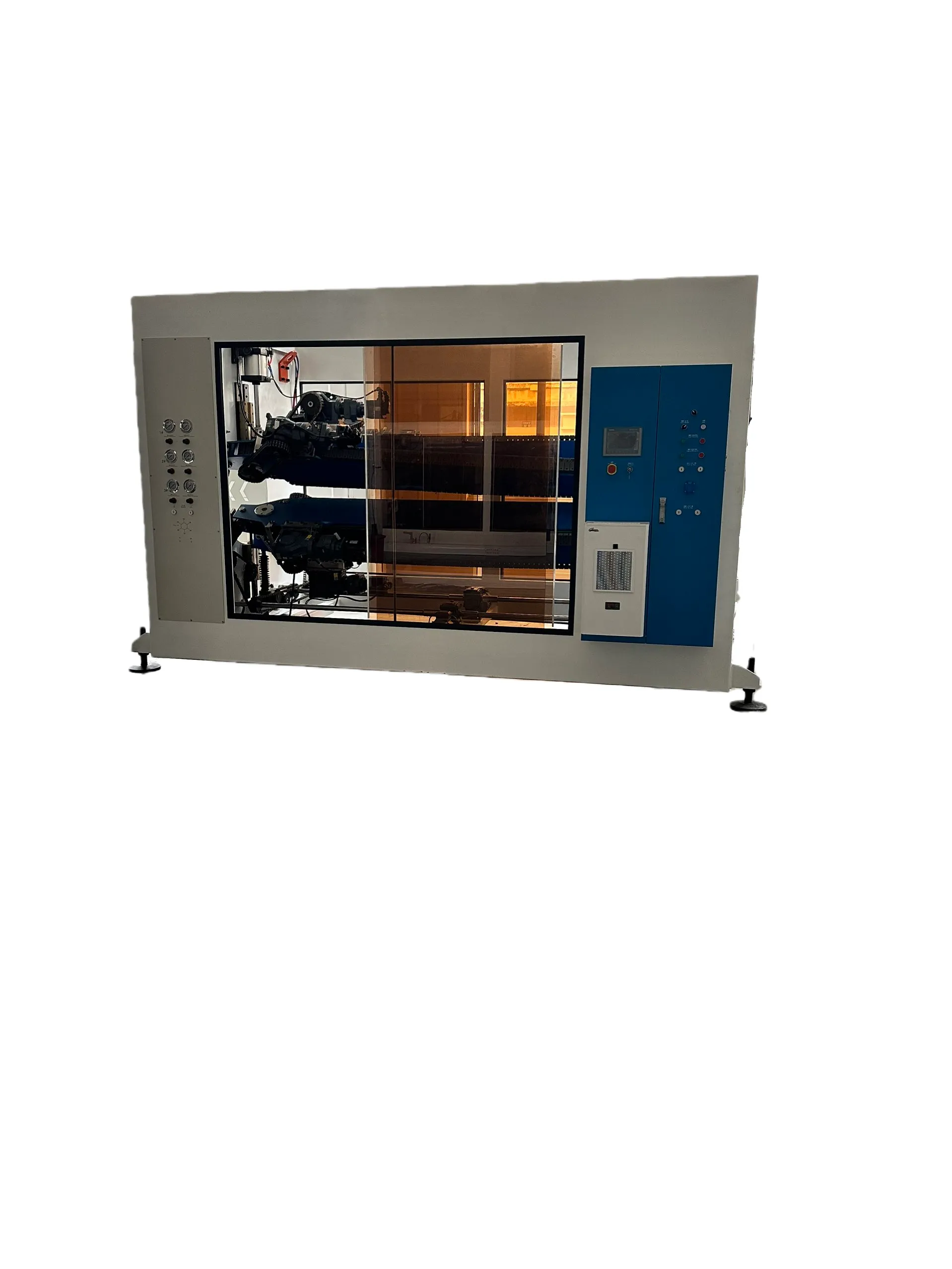
كيف خط بثق أنابيب PVC-O التقنية تُمكِّن الدقة الجزيئية
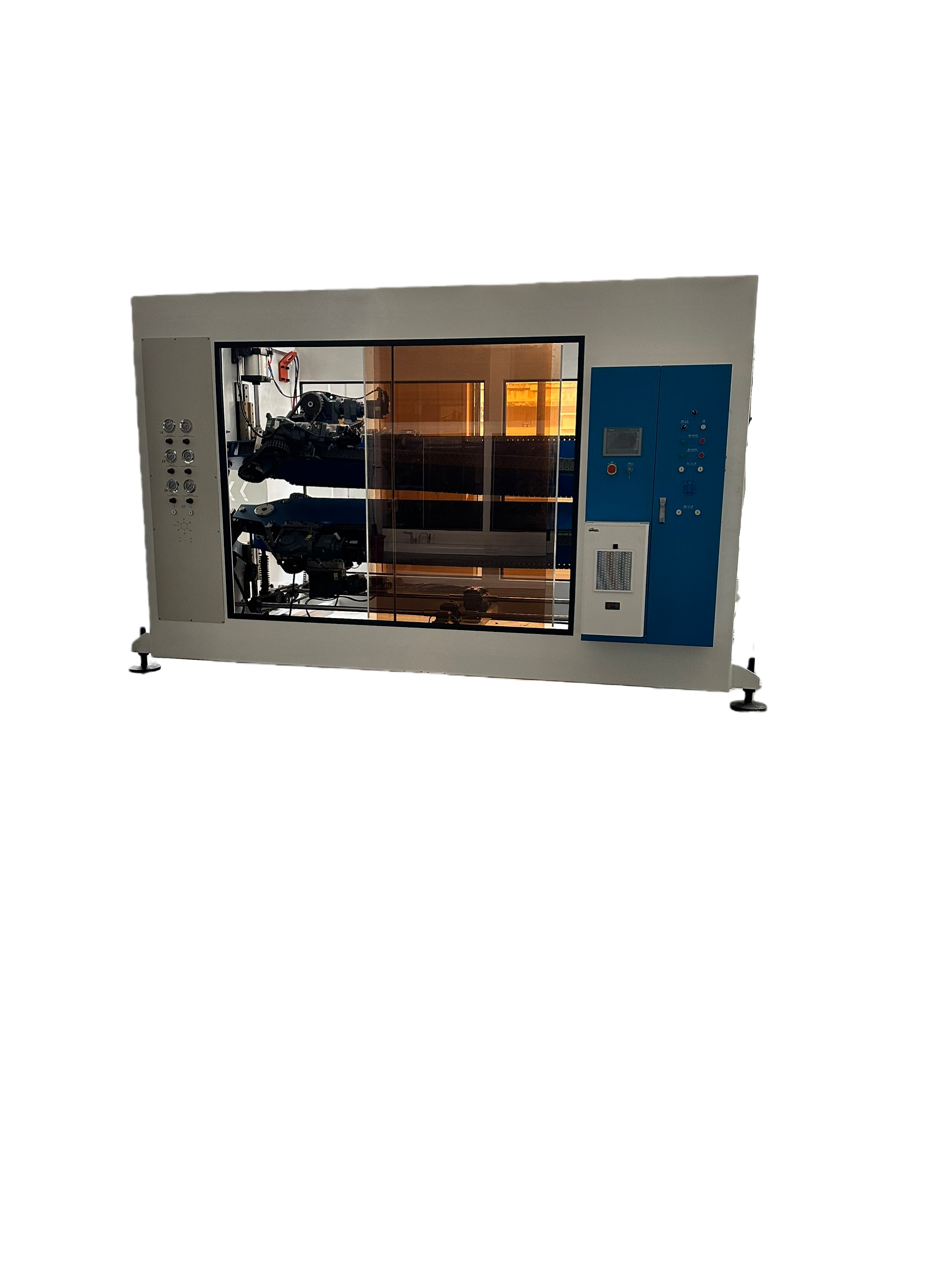
تحول جوهري في العملية: من مادة PVC-U غير المتبلورة إلى هيكل بلوري ذي توجُّه ثنائي المحور
PVC-O، والمعروف أيضًا باسم «كلوريد البوليفينيل المُوجَّه ثنائي المحور»، يُغيِّر أداء الأنابيب من خلال تعديل طريقة ترتيب جزيئات كلوريد البوليفينيل. فلدى كلوريد البوليفينيل غير المطاعِن (PVC-U) هياكل عشوائية وغير منظمة، أما PVC-O فيُنشئ هيكلًا أكثر انتظامًا بكثير — ويمكنك تخيُّله على أنه ترتيب جميع خيوط البوليمر الصغيرة بدقةٍ في اتجاهين في آنٍ واحد. ويحقِّق المصنِّعون ذلك ليس بإضافة مواد كيميائية، بل عبر عمليات ميكانيكية دقيقة أثناء التصنيع. فهم يمدون المادة طوليًّا وعرضيًّا في الوقت نفسه، ما يؤدي إلى محاذاة سلاسل البوليمر بدقة. والنتيجة هي مادة أقوى مع الحفاظ على جميع الخصائص الممتازة التي تتمتَّع بها مادة PVC العادية فيما يتعلق بمقاومة المواد الكيميائية. وهذا أمرٌ بالغ الأهمية في تطبيقات مثل أنظمة مياه الشرب وخطوط الصرف الصحي، حيث يجب أن تدوم هذه المواد عقودًا من الزمن. ووفقًا لأحدث الدراسات التي أجراها علماء المواد، فإن هذه التحسينات الهيكلية تعني أن مادة PVC-O يمكنها تحمل ما يقارب ٥٠٪ من التوتر الإضافي قبل الانكسار، كما أنها تقاوم الصدمات بمقدار ثلاث مرات أكثر من مادة PVC-U القياسية. وأفضل ما في الأمر؟ أنها لا تُضحِّي بأيٍّ من الصفات الطويلة الأمد التي جعلت من مادة PVC شائعةً جدًّا منذ البداية.
تكامل المكونات الرئيسية: طارد لولبي مزدوج، وقياس الحجم بالتفريغ، وموجه ثنائي المحور، وتبريد سريع
ويتوقف تحقيق هذه الدقة الجزيئية على تكامل وثيق بين أجهزة عالية الدقة:
- ماكينات بثق ثنائية اللولب عالية العزم توفير انسجام متجانس للخلط المنصهر عبر تصميم مُحسَّن للبرغي وتقسيم دقيق لدرجات حرارة البرميل (±١°م)، مما يلغي تدرجات اللزوجة التي تُضعف عملية التوجيه؛
- أنظمة headibration الشاغرة ضمان استقرار الأبعاد أثناء تشكيل الأنابيب، والحفاظ على تحملات ضيقة بالغة الأهمية لعملية التوجيه اللاحقة؛
- المُوجِّهات ثنائية المحور تُطبِّق قوى محورية وشعاعية متزامنة — مُ calibrated بدقة وفق نسب السحب المحددة (عادةً ٣:١ إلى ٤:١ محوريًّا، و٢:١ شعاعيًّا) — لتثبيت محاذاة السلاسل الجزيئية؛
- غرف التبريد السريع التي تعمل ضمن تحمل ±٠٫٥°م، تُجمِّد البنية المُوجَّهة قبل أن تحدث عملية الاسترخاء.
يقلل هذا التحكم المتكامل من تباين سماكة الجدار بنسبة 70% مقارنةً بالخطوط التقليدية، ويُمكّن من إنتاج أنابيبٍ ذات جدران أرق وتصنيفات ضغط أعلى بشكلٍ متسق— مما يدعم عمر خدمة مُؤكَّد لمدة 50 عامًا في شبكات توزيع المياه المضغوطة.
التغلب على التحديات الفنية الحرجة في تشغيل خط بثق أنابيب PVC-O
القيود المرتبطة بالمادة: تحسين درجة راتنج PVC والمستقرات الحرارية وتجانس المصهور
يبدأ تحقيق الدقة الجزيئية من امتلاك مواد عالية الجودة. وفي حالة راتنج كلوريد البوليفينيل (PVC) المُستخدم في تطبيقات التعليق، فإن النقاء يكتسب أهميةً بالغة. ويتطلب الأمر تحكّمًا دقيقًا في القيم الكاونية (K-values) ضمن النطاق من ٦٨ إلى ٧٠، إضافةً إلى إدارةٍ حذرة لأحجام الجسيمات لضمان انصهار متجانس عند توجيه المادة لاحقًا. كما يجب أن تتحمّل المثبتات الحرارية درجات الحرارة المرتفعة جدًّا — والتي قد تتجاوز أحيانًا ١٨٠ درجة مئوية — دون أن تتحلّل أو تسبب مشكلات. ولذلك، يتجه العديد من المصنّعين حاليًّا نحو أنظمة الكالسيوم والزنك؛ إذ إنها أكثر صداقةً للبيئة وتلبي متطلبات الاستقرار على المدى الطويل بكفاءةٍ أعلى. ولا ينبغي افتراض أن الانصهار سيكون متجانسًا تلقائيًّا؛ بل يتطلّب ذلك هندسةً دقيقةً فعليًّا. وهنا تلعب ماكينات البثق ذات البرغيين المزدوجين دورًا مفيدًا بفضل أقسام التسخين والتبريد الخاصة بها على طول الأسطوانة، إضافةً إلى تصاميم البراغي التي تتعامل مع قوى القص بشكلٍ مناسب. وتُحافظ هذه الآلات على درجة الحرارة ضمن تفاوتٍ لا يتجاوز درجةً واحدةً مئويةً تقريبًا، وتمنع المشكلات المتعلقة بالتدفق التي تؤدي إلى ظهور نقاط ضعف في المادة. ولا ننسَ كذلك محتوى الرطوبة. فإذا زادت رطوبة الراتنج عن ٠٫٠٢٪، تبدأ فقاعات البخار في التكوّن داخل المادة. وهذه الفراغات الصغيرة تتحول إلى عوامل مشكلةٍ حقيقيةٍ عندما تتعرّض المادة لإجهاداتٍ متعددة الاتجاهات أثناء المعالجة.
متطلبات التحكم في العملية: مزامنة الشد المحوري/الشعاعي، والتحكم في مناطق درجة الحرارة، واستقرار سرعة الخط
عملية التوجيه ثنائي المحور لا تتسامح مع هامش كبير من الخطأ فيما يتعلق بالتوقيت أو التغيرات في درجة الحرارة. فتحقيق التمدد المحوري والتوسع الشعاعي بدقة ضمن هامش يبلغ نحو ٥٪ أمرٌ بالغ الأهمية، لأن أي عدم تطابق بينهما يؤدي إلى إحداث إجهادات متبقية تقلل من سعة الضغط وتؤدي إلى فشل المواد بشكل أسرع. ويتضمن التحكم في درجات الحرارة خلال هذه العملية أربعة مراحل رئيسية: الذوبان، والتسخين قبل عملية السحب، والتوجيه الفعلي، ثم التبريد بعد السحب؛ ويجب أن تحافظ كل مرحلة من هذه المراحل على درجة حرارة ضمن نطاق يقارب درجتين مئويتين للحصول على تبلور بلوري سليم دون أن تصبح المادة هشّة أكثر من اللازم أو غير مُوجَّهة توجيهاً صحيحاً. كما أن التباينات الطفيفة في سرعة الخط التي تتجاوز نصف بالمئة تؤثر سلباً على نسب السحب ومعدل التبريد، ما يؤدي إلى عدم انتظام في سماكة المنتج بأكمله. وتتعامل خطوط إنتاج البولي فينيل كلوريد المُوجَّه (PVC-O) الحديثة مع جميع هذه التحديات باستخدام معدات متطورة مثل أنظمة السحب الخاضعة للتحكم بواسطة محركات مؤازرة (Servo)، والرصد الاستباقي عبر أجهزة استشعار في الوقت الفعلي في مختلف أرجاء خط الإنتاج، وأنظمة تحكم متطورة تقوم باستمرارٍ بضبط العوامل المختلفة مثل سرعة البثق ومعدلات التوجيه وإعدادات التبريد حسب الحاجة. وقد أسهمت هذه التحسينات في خفض معدلات العيوب إلى أقل من ٠٫٨٪، مما يضمن أن تظل منتجات PVC-O قوية وموثوقة دفعةً بعد دفعة.
المزايا المستدامة لخط بثق أنابيب PVC-O
يُحقِّق بثق أنابيب PVC-O مزايا حقيقية في مجال الاستدامة طوال دورة حياتها الكاملة، بدءًا من مرحلة استخدام المواد لأول مرة ووصولًا إلى ما يحدث عند انتهاء عمر المنتج. وفيما يتعلَّق بالتصنيع، توجد فروق كبيرة جدًّا: إذ يمكن لأنابيب PVC-O أن تتحمّل نفس الضغط الذي تتحمّله أنابيب PVC-U المقابلة لها، لكنها تتطلَّب ما بين ٢٥٪ و٤٠٪ أقل من الراتنج. وهذا يعني أنَّ المصانع تحتاج إلى كميات أقل من المواد الأولية عمومًا، كما تقلِّل في الوقت نفسه من الطاقة المستهلكة في عملية التصنيع. وبالنظر تحديدًا إلى استهلاك الطاقة، فإنَّ إنتاج PVC-O الحديث يتضمَّن عدة تحسينات ذكية، مثل مناطق التحكُّم الدقيق في درجة الحرارة، وأنظمة القيادة الفعَّالة التي تُدار عزم الدوران فيها بشكل أفضل، ومتطلبات التبريد الأقل؛ وقد أدَّت هذه العوامل مجتمعةً إلى خفض استهلاك الطاقة المحدَّد بنسبة تقارب ١٨٪ مقارنةً بأساليب البثق القديمة التي لا تزال قيد الاستخدام حتى اليوم.
عند وضع أنابيب PVC-O في الخدمة الفعلية، فإن خفتها الشديدة تؤدي إلى خفض انبعاثات النقل بنسبة تقارب ٣٠٪ لكل كيلومتر يتم تركيبه في الموقع. علاوةً على ذلك، تدوم هذه الأنابيب مدة أطول بكثير مما يتوقعه معظم الناس، وغالبًا ما تتجاوز عمرها المئوي في التطبيقات الواقعية، ما يعني الحاجة إلى استبدال أقل مع مرور الوقت، وصيانة أقل بالتأكيد، وبالتالي توفير الموارد أيضًا. ومن المزايا الكبيرة الأخرى أنها لا تتآكل إطلاقًا، لذا فلا حاجة لأنظمة الحماية الكاثودية الباهظة التكلفة أو الفحوصات الدورية التي تتطلبها الأنابيب المعدنية. كما تُظهر الأرقام الفعلية المستخلصة من مشاريع إنشائية مختلفة عبر أوروبا أمرًا مثيرًا للإعجاب أيضًا: فوفقًا للقياسات الميدانية التي جُمعت خلال هذه المشاريع، تنخفض البصمة الكربونية المُضمَّنة بنسبة تقارب ٢٢٪ مقارنةً بتركيبات PVC-U التقليدية.
عند انتهاء عمره الافتراضي، يدعم PVC-O مبدأ الدورانية: فتركيبه المتجانس وغياب الإضافات المرتبطة تساهم في إمكانية إعادة تدويره بنسبة تزيد عن ٩٠٪ عبر عمليات إعادة التصنيع المغلقة. ويُدمج مادة التدوير (Regrind) بسلاسة تامة في دفعات أنابيب جديدة دون التأثير على مقاومتها الشدّية أو دقة اتجاه جزيئاتها— مما يجنّب إرسال النفايات إلى المكبات ويعزّز التوافق مع أهداف البنية التحتية العالمية للوصول إلى الحياد الكربوني.
أسئلة شائعة
ما هو PVC-O وكيف يختلف عن PVC-U العادي؟
يُصمَّم PVC-O، أو كلوريد البوليفينيل المُوجَّه ثنائي المحور، بحيث تكون جزيئات كلوريد البوليفينيل فيه مرتبةً بشكل أكثر تنظيمًا مقارنةً بالتركيب العشوائي لـ PVC-U. وهذه التوجيهية تمنح PVC-O مقاومة شدّ أعلى ومقاومة أفضل للتأثيرات الميكانيكية.
كيف تُصنَّع أنابيب PVC-O؟
تُصنع أنابيب PVC-O عبر عملية ميكانيكية تتضمّن سحب المادة طوليًّا وشعاعيًّا لمحاذاة سلاسل البوليمر، ما يؤدي إلى أنابيب أقوى دون الحاجة إلى إضافات كيميائية إضافية.
ما هي الفوائد البيئية المستدامة لاستخدام أنابيب PVC-O؟
مقارنةً بأنابيب PVC-U، فإن أنابيب PVC-O تتطلب كمية أقل من الراتنج، مما يقلل من احتياجات المواد الأولية والطاقة في عملية التصنيع. كما أنها أخف وزنًا، ما يؤدي إلى خفض الانبعاثات الناتجة عن النقل، وتدعم إمكانية إعادة تدويرها بنسبة 90%، مما يقلل من النفايات المُرسلة إلى المكبات.