
 EN
EN



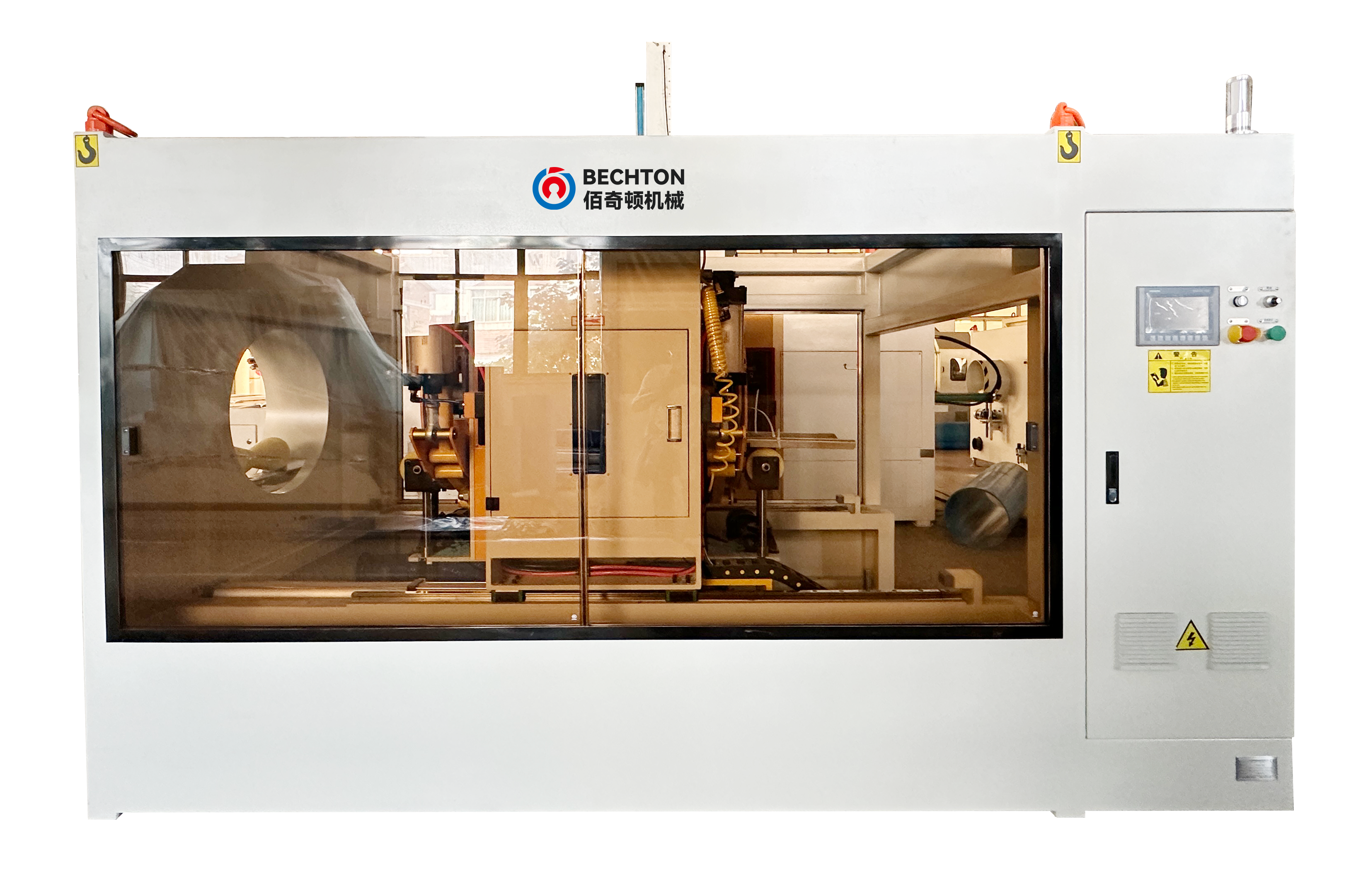
How PVC-O Pipe Extrusion Line Achieves Seismic Resilience
Modern seismic-resistant infrastructure relies on advanced manufacturing techniques that transform material properties at the molecular level. The pvc-o pipe extrusion line applies specialized engineering to enhance structural durability against ground movements, leveraging two core innovations.
Biaxial Orientation Technology: Enhancing Tensile Strength and Flexibility
In the manufacturing process, when they stretch the material both radially and axially at the same time, it causes the polymer molecules to line up in this kind of cross linked pattern. What this biaxial orientation does is really increase the tensile strength, sometimes hitting around 31.5 MPa, and makes the material more flexible too. Regular pipes just crack when there's movement in the ground, but PVC-O actually bends and flexes instead of breaking apart suddenly. At a molecular level, these changes let the pipes handle those earthquake type forces without joints coming loose or water leaking out. Another benefit is that manufacturers can cut down on materials used by roughly 20 percent, yet still keep pressure ratings above 25 bar for most applications.
Microstructural Integrity Under Dynamic Loading: Crack Arrest and Energy Dissipation
An oriented microstructure gives these materials outstanding protection against cracks when faced with sudden stresses. Think about what happens during earthquakes when the ground shakes violently. Instead of energy building up at weak spots where cracks might start, it spreads out across the polymer matrix. The stress gets redirected along those strengthened molecular pathways before it can cause real damage. Testing in labs has actually shown that PVC-O pipes last about 2.5 times longer under pressure surges compared to regular pipes. This kind of structural engineering makes all the difference for areas prone to tremors, since the material stays flexible while still standing up to impacts over many years.
PVC-O Pipe Extrusion Line vs. Conventional Pipe Manufacturing for Seismic Zones
Material Performance Gap: PVC-O vs. Ductile Iron and HDPE in Ground Deformation Scenarios
Looking at pipeline materials for areas prone to earthquakes, PVC-O or Oriented Polyvinyl Chloride stands out compared to traditional options such as ductile iron pipes and those made from High-Density Polyethylene. What makes PVC-O special is this biaxial orientation technique that basically rearranges the polymer chains into something called a cross-linked matrix. As a result, it gets really strong stuff going on with tensile strength hitting around 31.5 MPa according to recent studies. That's about 26 percent better than regular old PVC-U material and roughly 40% stronger than what we typically see with HDPE products. When the ground starts moving during seismic activity, this molecular arrangement gives PVC-O amazing flexibility. Meanwhile, those rigid ductile iron pipes tend to break at their joints under pressure, while HDPE just keeps getting stretched until it permanently deforms from all that constant stress.
Critical performance differences emerge in three key areas:
- Crack propagation resistance: PVC-O&aposs oriented structure arrests fracture spread five times more effectively than HDPE
- Elastic recovery: Maintains 98% shape memory after ground settlement versus HDPE&aposs 74% [Polymer Engineering 2024]
- Cyclic stress tolerance: Withstands three times more pressure fluctuations before fatigue failure compared to ductile iron
The California Water Authority has seen some impressive results from their projects using PVC-O systems. They've recorded absolutely no pipe failures during seismic events since making the switch, whereas nearby areas still using ductile iron pipes needed 37% more repairs after even small earthquakes shook things up. What makes PVC-O so effective? Well, when regular materials get hit by seismic forces, they tend to bend or break. But PVC-O works differently at the molecular level, absorbing that energy instead of just deforming under pressure. For regions sitting right on top of active fault lines, this means fewer disruptions and less costly repairs down the road. That's why many engineers now recommend PVC-O as their go-to material for critical water infrastructure in earthquake-prone areas.
| Material | Tensile Strength | Seismic Performance |
|---|---|---|
| PVC-O | 31.5 MPa | Elastic recovery >98% |
| Ductile Iron | 18.6 MPa | Brittle fracture risk |
| HDPE | 22.4 MPa | Permanent deformation under load |
Proven Deployment of PVC-O Pipe Extrusion Line in High-Risk Seismic Infrastructure
California Water Authority and Tokyo Metro Projects: Design Integration and Field Validation
When it comes to major infrastructure work, PVC-O pipe extrusion lines have shown their strength in areas prone to earthquakes. Take California for instance, where the Water Authority installed these special PVC-O pipes along with joints that can actually soak up sideways movement when the earth shakes. They've had no problems at all during several tremors so far. Across the Pacific, Tokyo Metro did something similar while updating their old cast iron pipes. Their tests showed cracks spreading 72 percent less than they would with regular materials according to research from Water Research Foundation in 2024. Real world testing backs this up too. The PVC-O doesn't just sit there passively; its unique molecular structure helps it handle those ground movements. What we're seeing here isn't just about good materials, but smart engineering that works together as a complete system.
Mining and Tunneling Applications: Long-Term Joint Stability Under Cyclic Stress
PVC-O pipes hold up really well in mining environments where they face intense mechanical stress. Tests have shown these pipes can recover about 94% of their original shape after being crushed, which makes them especially valuable for things like directional drilling projects and tunnel boring machines. Looking at actual field reports from mountain areas, there's been about a 43 percent drop in how often repairs are needed compared to traditional steel pipes when monitored over a fifteen year period. This improvement comes down to the manufacturing process itself. When made through extrusion, PVC-O gets that uniform wall thickness throughout, so it performs reliably even in demanding conditions that would break other materials.
- Pressure surges reaching 150% of nominal ratings
- Rock impingement forces exceeding 2.8 kN
- Repeated freeze-thaw cycles without microcracking
FAQ
What is biaxial orientation in PVC-O pipes?
Biaxial orientation is a manufacturing technique where polymer molecules are stretched radially and axially, forming a cross-linked matrix that significantly enhances tensile strength and flexibility.
How does PVC-O perform compared to ductile iron and HDPE pipes in seismic zones?
PVC-O pipes demonstrate superior crack propagation resistance, elastic recovery, and cyclic stress tolerance compared to ductile iron and HDPE pipes.
Why are PVC-O pipes recommended for seismic-prone areas?
PVC-O pipes absorb seismic energy at a molecular level, reducing disruptions and the need for repairs in earthquake-prone regions.