
 EN
EN



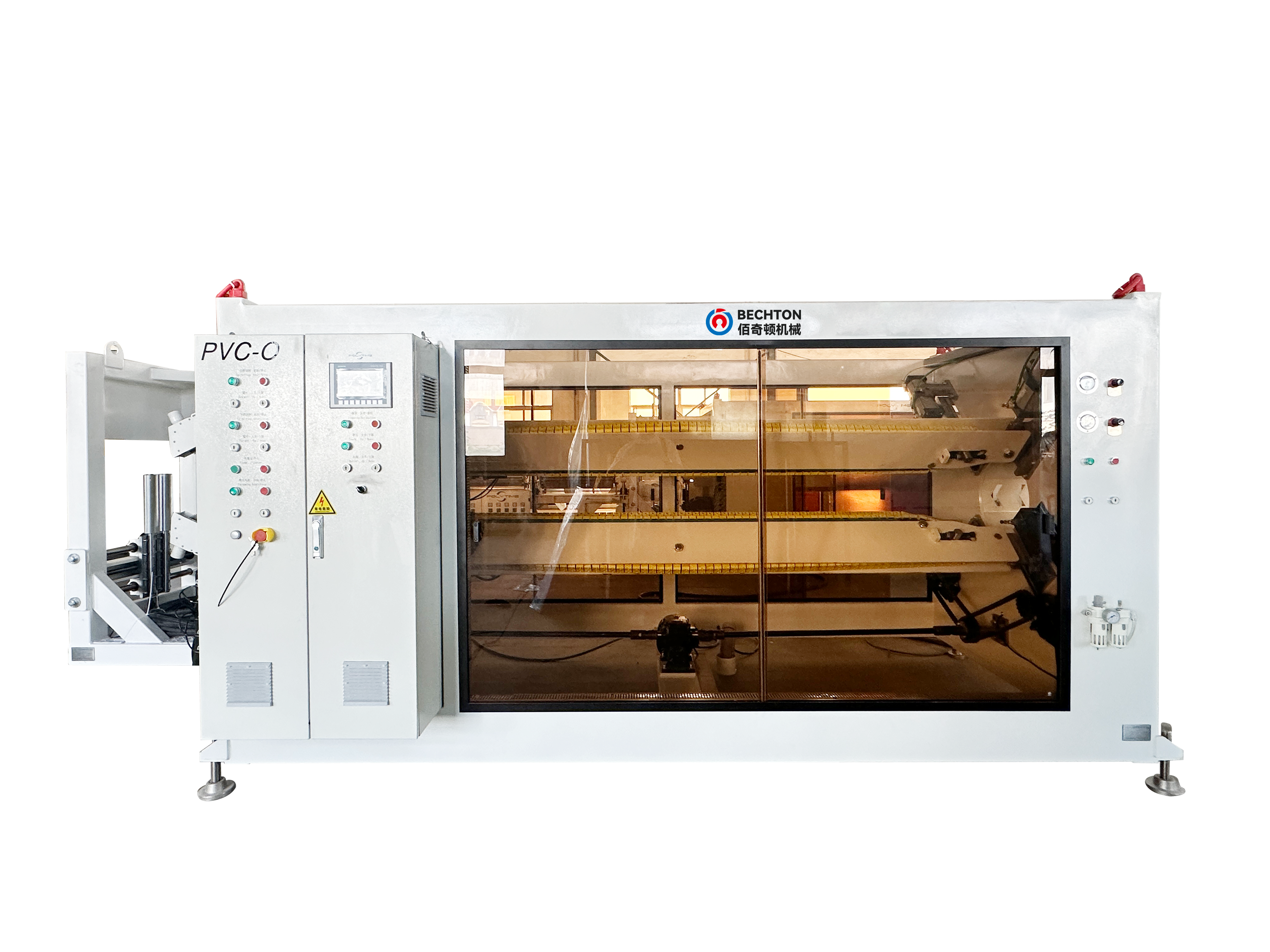
Why PVC-O Extrusion Lines Are Essential for High-Performance Long-Distance Water Pipelines
The Global Shift Toward Leak-Resistant Infrastructure: Why 100+ km Networks Demand PVC-O
Cities and water companies are increasingly focused on building leak-proof infrastructure for their massive water networks that stretch over 100 kilometers or more. This has led to growing interest in Biaxially Oriented Polyvinyl Chloride (PVC-O) technology. Compared to traditional materials like PVC-U and HDPE pipes, PVC-O shows dramatically better performance in pressurized systems covering long distances. The difference is huge - regular pipes fail about three times more often than PVC-O ones, which means cities lose around 740,000 cubic meters of water every year just from leaks in each 100 km section of pipeline according to a recent study by Ponemon Institute (2023). What makes PVC-O so good? Its special molecular alignment actually fights against stress cracks and handles shifts in the ground much better than other materials. This matters a lot for underground installations where soil conditions can vary widely. Real world tests from major utility providers indicate that these pipes need half as much maintenance over a 15 year period compared to what we've been using before.
How Biaxial Orientation Delivers Superior Strength-to-Weight Ratio vs. PVC-U and HDPE
Biaxial orientation transforms PVC performance by stretching polymer chains both radially and axially during extrusion. This controlled restructuring delivers:
- 31.5 MPa tensile strength—26% higher than PVC-U
- 40% reduction in wall thickness while maintaining PN16 pressure rating
- 20% lighter weight versus standard PVC-U pipe
Thanks to its impressive strength-to-weight properties, installers can actually handle those big diameter pipes over 630 mm without needing special equipment. When comparing similar pressure ratings, PVC-O uses around 34 percent fewer materials compared to HDPE counterparts. What's even better? These pipes stand up to impacts much better too, showing about five times the resilience when temperatures drop to minus 20 degrees Celsius. The mix of toughness, efficient resource use, and ease of handling means PVC-O extrusion systems represent one of the best options available today for expanding our water networks. Many engineers are starting to see this as not just technically superior but economically smart for long term infrastructure projects.
Core Components of a Reliable PVC-O Extrusion Line
High-Torque Twin-Screw Extruders with Precision Temperature & Shear Control
Twin-screw extruders with high torque are essential for making quality PVC-O products. They create the uniform melt needed so molecules align properly during processing. Single screw systems just can't match this performance. The segmented barrels with those fancy cooling circuits keep temperatures stable within about 1 degree Celsius. This matters because it stops problems like early crystallization or material breakdown in delicate PVC-O mixes. When the intermeshing screws work together, they apply just the right amount of shear force throughout the compound. No overheating issues here. And there's something else manufacturers love: real time viscosity checks let operators tweak screw speeds on the fly. This means consistent results whether producing pipes at 110 mm diameter all the way up to 630 mm. All these features combine to give PVC-O its famous double pressure rating edge compared to regular old PVC-U.
Laser-Based In-Line Gauging and Die Swell Compensation for ±0.15 mm Wall Tolerance
Getting that ±0.15 mm wall tolerance right is absolutely critical if we want reliable biaxial orientation in our products. To make this happen, we need systems with closed loop measurements and corrections happening in real time. The laser micrometers are scanning the extruded material at 200 times per second, catching any deviations almost as soon as they appear at the exit point. All these measurements go straight into the PLC algorithms, which then tweak things like haul off speed and adjust the geometry of the die gap automatically. This helps compensate for die swell issues that change depending on how hot the melt is and what the flow rate looks like. We also synchronize vacuum calibration throughout the whole production run to keep dimensions stable from start to finish. With all this automation in place, there's no need for those tedious manual samples anymore. Material waste drops around 7% overall, and most importantly, we get consistent wall thickness that makes sure joints stay intact and keeps leakage rates under 0.1% even when pipes run for hundreds of kilometers.
Selecting the Right PVC-O Extruder Manufacturer for Scalable, Diameter-Flexible Production
Matching Output Capacity (300–1,800 kg/h) to Pipe Diameter (110–630 mm) and Project Phasing
Matching extrusion output rates with how pipelines get deployed on site helps prevent all sorts of workflow problems down the road. When dealing with big mainline installations covering 50 kilometers or more, going with machines that handle around 1200 to 1800 kilograms per hour makes sense for producing those larger diameter pipes between 400 and 630 millimeters. These setups really speed things up during actual construction phases. For smaller projects that come in stages, equipment rated between 300 and 600 kg/h works better when making the narrower distribution pipes ranging from 110 to 250 mm. This approach allows companies to bring sections online incrementally while keeping their money where it matters most. An important thing worth noting is that this special biaxial orientation technique actually cuts down on raw materials needed by somewhere around 70% compared to regular old PVC-U products. The savings translate into lower costs per meter installed without sacrificing strength or durability requirements either.
Evaluating Manufacturer Capabilities: Turnkey Integration, Field Commissioning, and After-Sales Support
When looking at equipment options, don't forget to consider companies that provide complete support throughout the entire product life cycle. Top manufacturers now offer extrusion lines controlled by PLC systems featuring built-in vacuum calibration plus laser gauging technology that maintains ±0.15 mm accuracy standards. These advanced features cut down significantly on the time needed for setting up operations at customer sites. It's important to check whether these suppliers have qualified technicians available for initial setup work, proper training sessions for operators, and regular checks against ASTM F1483 standards. After installation is complete, having access to round-the-clock diagnostic services combined with well-placed spare parts distribution centers can slash unexpected machine stoppages by around 40 percent based on what various industry reports indicate. This kind of reliability makes all the difference in maintaining production schedules without constant interruptions.
Proven Performance: PVC-O's Structural Integrity and Service Life in Buried Long-Distance Applications
Long term testing shows that PVC-O pipes keep about 98% of their original pressure rating even after sitting underground for half a century in water distribution networks. This makes them last longer than pretty much any other plastic or metal pipe on the market today. The special way the molecules line up in two directions gives PVC-O around 26% more tensile strength (31.5 MPa) compared to regular PVC-U. That extra strength means these pipes can handle shifting ground conditions and even earthquakes without failing. What really stands out is how much better they perform against creep issues. PVC-O creeps at only 30% of what polyethylene does, so the pipes stay dimensionally stable when subjected to constant pressure. This reduces the chance of cracks forming in deep trench installations where pressure builds up over time. Unlike ductile iron pipes which need coating protection against rust and microbial corrosion, PVC-O naturally resists these problems. Plus, the inside surface stays smooth for decades, maintaining good water flow and reducing pumping costs by roughly 14% compared to standard uPVC. While upfront costs do run higher than PVC-U, most lifecycle cost studies indicate maintenance expenses drop by about 40% over 25 years. For municipalities building critical water infrastructure that needs to last generations, PVC-O has become the go to material despite the higher initial price tag.
FAQ
What is PVC-O and why is it important for water pipelines?
PVC-O stands for Biaxially Oriented Polyvinyl Chloride. It is vital for water pipelines due to its superior strength and resistance to leaks and stress cracks, making it ideal for long-distance and underground installations.
How does PVC-O compare to PVC-U and HDPE in terms of performance?
PVC-O provides higher tensile strength, lighter weight, and greater impact resistance, especially in low temperatures compared to PVC-U and HDPE. It also uses fewer materials and stands up better to long-term installations.
Why are high-torque twin-screw extruders essential in PVC-O production?
High-torque twin-screw extruders are crucial because they ensure uniform melts that align molecules properly, preventing overheating and allowing consistent production of quality PVC-O pipes.
What should companies consider when choosing a PVC-O extruder manufacturer?
Companies should evaluate manufacturers based on their turnkey integration capabilities, field commissioning, and after-sales support, including advanced technology like built-in vacuum calibration and laser gauging systems.
Table of Contents
- Why PVC-O Extrusion Lines Are Essential for High-Performance Long-Distance Water Pipelines
- Core Components of a Reliable PVC-O Extrusion Line
- Selecting the Right PVC-O Extruder Manufacturer for Scalable, Diameter-Flexible Production
- Proven Performance: PVC-O's Structural Integrity and Service Life in Buried Long-Distance Applications