
 EN
EN



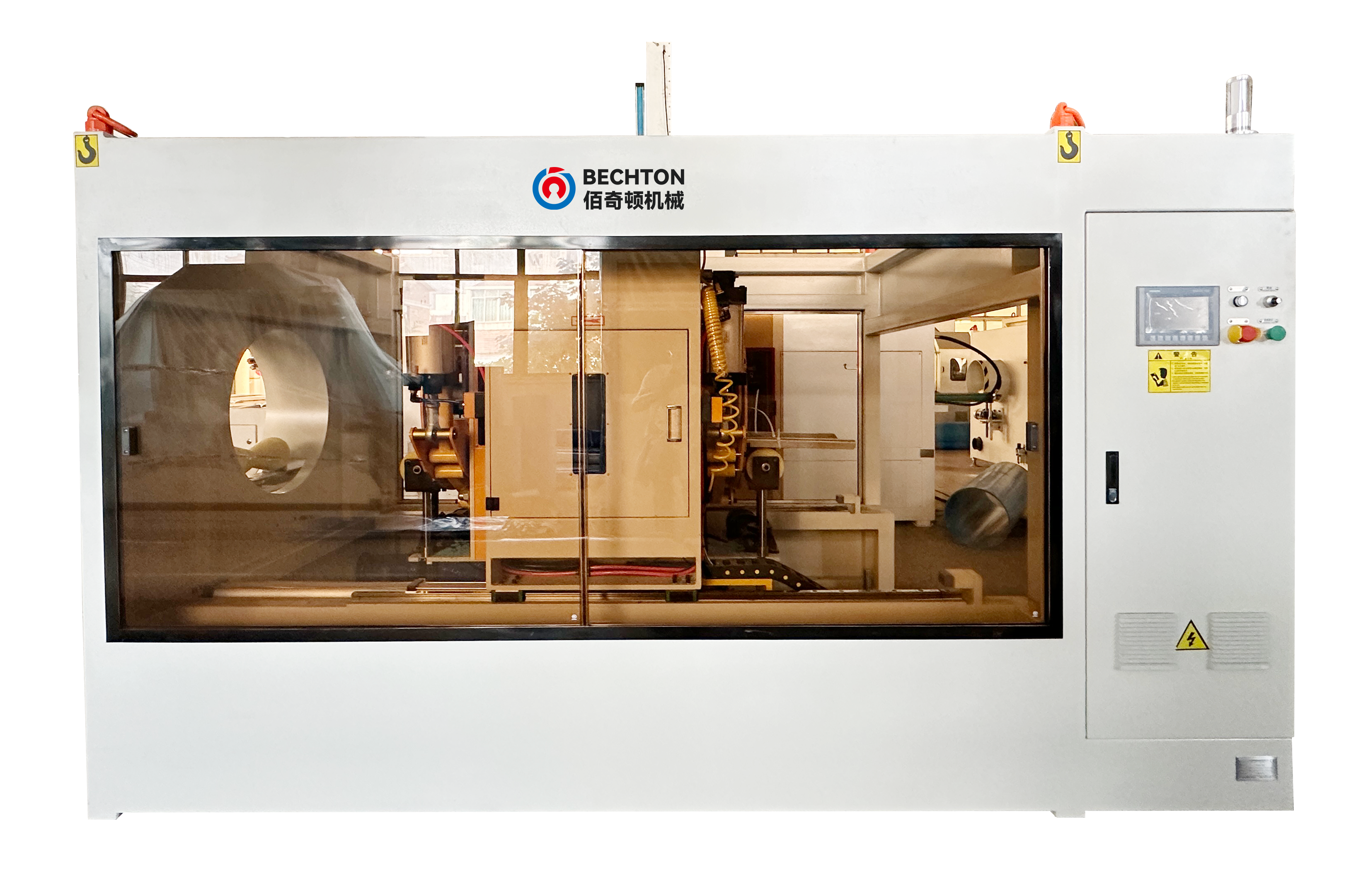
PVC-O Pipe Performance Advantages for Irrigation Systems
Superior Strength and Durability: 5× Impact Resistance and 2× Burst Pressure vs. uPVC
PVC-O pipes offer exceptional strength that makes them ideal for agricultural irrigation work. The manufacturing process aligns molecules in two directions, which gives these pipes about five times better impact resistance compared to regular uPVC. This means fewer cracks when workers handle or install them, particularly important on farms with rocky ground or rough terrain. Tests following ISO 16422 standards show PVC-O can handle double the bursting pressure of standard uPVC, so they hold up well even when pumps push water at higher pressures. They also resist wear and tear much better, preventing early failures caused by the constant pressure changes typical in automated irrigation schedules. Plus, since they weigh around 20% less than traditional options, farmers get longer lasting infrastructure that cuts down on replacement expenses by roughly 30% after about 15 years of service.
Corrosion Resistance and Long-Term Stability in Soil and Chemical-Exposure Conditions
What makes PVC-O stand out in tough agricultural settings is its chemical resistance properties. Metal pipes just can't compete when it comes to resisting corrosion from salty groundwater or soils that swing between very acidic and alkaline levels, which matters a lot for underground irrigation systems. Tests accelerated over time have shown amazing results too, with less than 0.1% breakdown of the material after 25 years in soil ranging from pH 2 to pH 12, even when regularly exposed to common fertilizers and pesticides used on farms. Another big plus is how the smooth surface of PVC-O resists buildup from minerals, stops bacteria from forming films inside the pipe walls, and keeps plant roots from getting into the system where they would clog things up. Looking at long term costs, farmers who switch to PVC-O typically see around 40% savings on maintenance compared to older ductile iron systems. Plus there's no worry about rust particles contaminating the water supply, something that happens all too often with metal piping.
How PVC-O Pipe Extrusion Line Technology Enables Reliable Irrigation Infrastructure
Precision Biaxial Orientation Control Ensures Uniform Wall Integrity and Leak-Free Joints
PVC-O starts showing its benefits right from the extrusion stage. The manufacturing process involves stretching the pipe walls both radially and axially through controlled biaxial orientation, creating what's basically a uniform network of cross-linked polymers throughout the material. What does this mean? Well, the resulting product has about 40 percent higher tensile strength compared to regular PVC, yet uses around 15 to maybe even 20 percent less raw materials. A big plus is that this method gets rid of those pesky microstructural problems like tiny voids or uneven density areas which can weaken the pipe walls and cause leaks at joints. Real world tests have demonstrated these oriented pipes can handle roughly two and a half times more hydraulic surges before failing when compared to their non-oriented counterparts. This makes them particularly reliable for pressurized irrigation systems where sudden pressure changes are common occurrences.
Integrated UV Stabilization and AI-Driven Process Monitoring for Field-Ready Pipe Consistency
Today's PVC-O extrusion systems actually mix UV stabilizers right into the base material itself. This protects parts that sit out in the sun, such as those ground level pipes or pump outlets, from getting brittle due to sunlight exposure while still keeping them tough enough to handle impacts. At the same time, smart monitoring systems watch more than twenty different factors during production. These include things like how hot the melted plastic is, how fast it gets pulled through, and what kind of vacuum pressure exists inside. Even tiny changes in wall thickness or roundness get picked up this way. Because of this continuous quality check throughout manufacturing, all products coming off the line maintain their shape and size specifications consistently. That helps explain why these pipes last about fifty years even when buried in harsh soils full of chemicals. Plus, all this automated stuff saves around a quarter of the energy normally used, which makes sense when looking at big irrigation setups covering hundreds of acres where water needs to flow evenly throughout the whole system.
Real-World Irrigation Efficiency Gains from PVC-O Pipes
Case Study: 12,000-Hectare Rice Basin in Vietnam – 92% Lower Leakage vs. uPVC Mainlines
A massive rice growing area covering around 12,000 hectares in Vietnam's Mekong Delta recently upgraded its old uPVC pipes to new PVC-O piping. After putting these new pipes into operation, they saw something amazing happen: water loss dropped by almost 92%. This made all the difference for managing water resources in an area where rainfall varies so much between seasons. What makes PVC-O special? The way molecules line up inside allows these pipes to handle ground movement better than regular pipes, which often crack at the joints when soil shifts. Local farmers are now getting back about 11,000 cubic meters of water every month that used to disappear through leaks. With this extra water available, they can time their flood irrigation more accurately, leading to better harvests. This improvement helps ensure Vietnam continues producing enough food even in areas vulnerable to flooding problems.
Drip and Sprinkler System Uptime Improvement: Extended Service Life and Reduced Maintenance Cycles
PVC-O pipes can last anywhere between 35 to 50 years when used in drip and sprinkler systems, which is actually more than twice as long as regular uPVC options. These pipes resist getting tired over time so they don't develop those tiny cracks that come from pumps turning on and off all day. Those little cracks are what cause emitters to get clogged up and lead to pressure drops in the system. Farmers who have switched to PVC-O report needing about 40 percent less maintenance work each year because the walls stay thick and even, plus there are fewer problems at the joints where pipes connect. The system just works better without breaking down when it matters most for growing things like fruit trees and grapevines that need consistent watering. And if growers combine these pipes with modern pressure control technology, they save around 18 percent on energy costs specifically for those big circular irrigation setups called center pivots.
Total Cost of Ownership: Why PVC-O Pipe Delivers Higher ROI in Agricultural Irrigation
Despite needing a bigger initial investment, PVC-O actually offers better long term value for irrigation systems. The capital needed for PVC-O pipe production runs around 25% more compared to standard options, but most operators see their money back within six to eight years. This comes from saving on materials since the pipes use about half as much resin thanks to thinner yet stronger walls. Field tests show these pipes can last over a century in normal farming conditions. What's really impressive is that PVC-O has 43 percent less carbon footprint than regular alternatives while also reducing friction because of its super smooth inside surface. Looking at all costs over time, how well PVC-O stands up to things like rust, sudden pressure changes, temperature shifts, and physical wear means farmers get reliable irrigation performance for many decades without constant repairs or replacements. That makes it a smart choice for building sustainable agricultural systems that work well even as weather patterns become more unpredictable.
Frequently Asked Questions
What are the main advantages of PVC-O pipes compared to uPVC?
PVC-O pipes offer superior impact resistance, can handle higher burst pressures, resist corrosion, and have lower long-term maintenance costs compared to uPVC.
How do PVC-O pipes contribute to energy savings in irrigation systems?
PVC-O pipes integrate smoothly into systems, reducing pressure drops and maintenance needs. Their consistent wall thickness and joint integrity help save energy, especially in systems like center pivots.
Are PVC-O pipes suitable for all types of soil and chemical exposure?
Yes, PVC-O pipes have shown excellent chemical resistance and stability in diverse soil types, handling conditions ranging from pH 2 to pH 12.
Table of Contents
- PVC-O Pipe Performance Advantages for Irrigation Systems
- How PVC-O Pipe Extrusion Line Technology Enables Reliable Irrigation Infrastructure
- Real-World Irrigation Efficiency Gains from PVC-O Pipes
- Total Cost of Ownership: Why PVC-O Pipe Delivers Higher ROI in Agricultural Irrigation
- Frequently Asked Questions