
 EN
EN



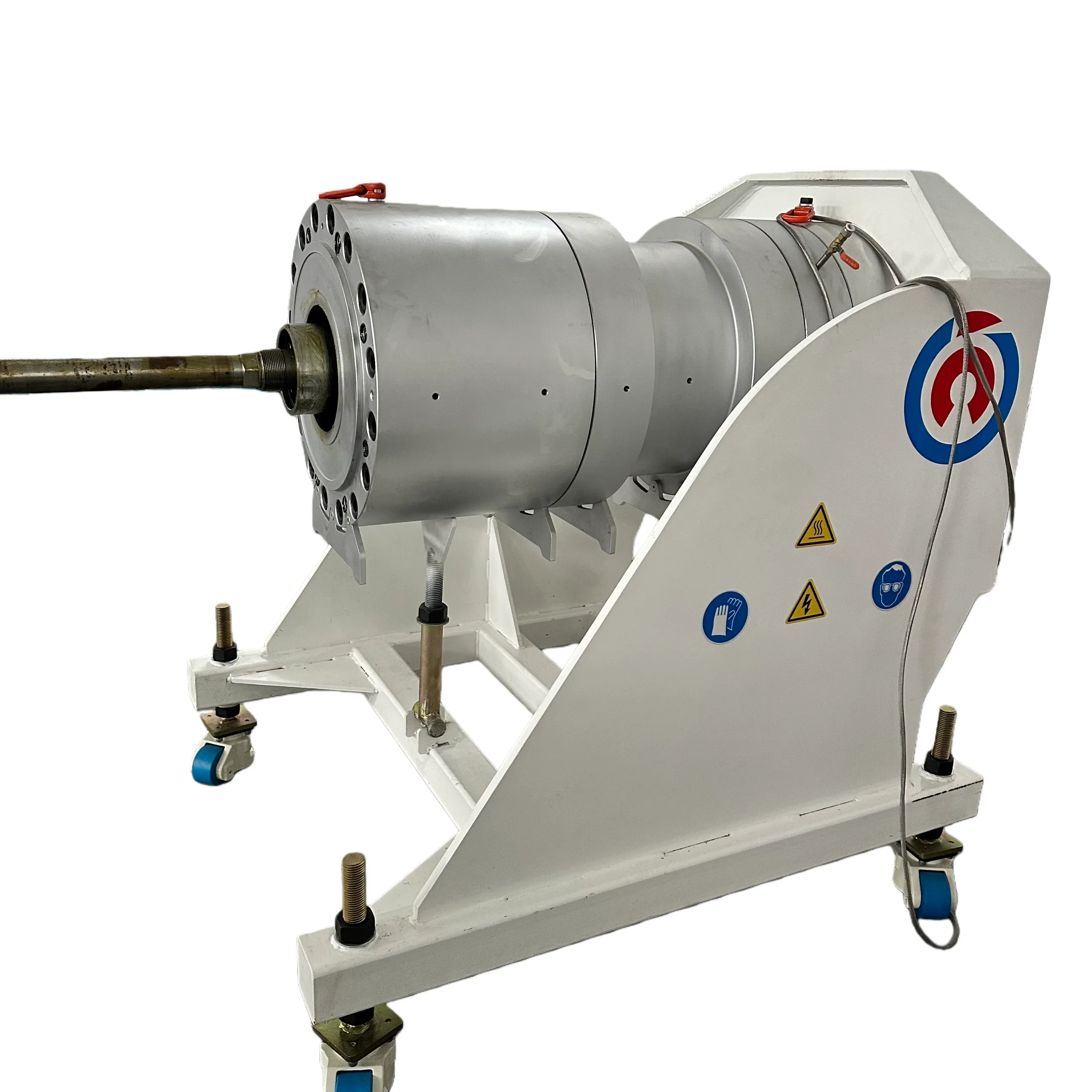
BAKIT Pvc-o pipe Nagbibigay ng Hindi Nauuulit na Pagganap sa Pagmimina at Mabibigat na Industriya
Paglaban sa Korosyon at Abrasion: Paglulutas ng Mahahalagang Mga Mode ng Pagkabigo sa Transporte ng Slurry, Tailings, at Kemikal
Ang mga tubo na gawa sa PVC-O ay lubos na nag-aalis ng mga nakakainis na problema sa korosyon na karaniwang kasama ng mga metal na alternatibo kapag ginagamit sa mga agresibong slurry mula sa pagmimina at sa sobrang acidic na tailings. Dahil ang mga tubong ito ay gawa sa isang solidong piraso, kaya nila pangasiwaan ang napakataas o napakababang pH level—mula 2 hanggang 12. Mahalaga ito dahil ang mga leachate na may sulfuric acid ay naroroon sa halos lahat ng operasyon sa pagproseso ng mineral. Ang natatanging istruktura ng polymer ng PVC-O ang nagbibigay sa kanya ng humigit-kumulang limang beses na higit na resistensya sa impact kumpara sa karaniwang PVC-U. Nakakatulong ito upang panatilihin ang integridad ng sistema kahit sa harap ng matatalas na bato sa mga high-solids slurry line. Sa pagsusuri sa mga numero, ang ganitong antas ng tibay ay aktwal na nababawasan ang average na gastos na $740,000 na kaugnay sa mga pagkabigo ng pipeline, ayon sa ulat ng Ponemon noong 2023. At narito pa ang isa pang kapakinabangan: hindi katulad ng bakal o ductile iron, ang PVC-O ay hindi nangangailangan ng anumang komplikadong sistema ng cathodic protection. Ito ay nag-iimbak ng humigit-kumulang 40% sa kabuuang gastos sa buong buhay ng sistema, lalo na sa mga lugar kung saan mataas ang salt content sa hangin—tulad ng mga coastal mine na madalas nating makikita.
Kahanga-hangang Mekanikal: Paano Pinapalakas ng Molecular Orientation ang Tensile Strength at Fatigue Life ng 45–65% kumpara sa PVC-U
Ang biaxial orientation ay nagpapalign ng mga PVC polymer chain sa isang layered, cross-hatched na istruktura ng pampalakas, na nakakamit ang tensile strengths na lampas sa 500 MRS (Minimum Required Strength). Ang molecular rearrangement na ito ay nagbibigay ng mga napapatunayang pakinabang para sa mga pangangailangan sa mining:
| Mga ari-arian | PVC-O na Pagpapabuti kumpara sa PVC-U | Epekto ng Pagmimina |
|---|---|---|
| Hoop Strength | +500% | Kaya ang 25+ bar na surge pressures |
| Resistensya sa pagod | +65% | 10× na mas mahaba ang buhay sa bawat pump cycle |
| Pagsibol ng bitak | 5× na mas mabagal | Nagpapipigil sa pagkabigo sa mga lugar na may ground-shift |
Ang optimized crystallinity ay nagpapahintulot ng mas manipis na pader habang lumalampas sa PE100 pressure ratings—binabawasan ang paggamit ng materyales ng 64%. Sa mga seismic zone tulad ng mga copper mine sa Chile, ang PVC-O pipes ay nabubuhay pa rin sa mga ground movement na may magnitude na 7.0 o higit pa, kung saan nababasag ang mga brittle na alternatibo.
Mga Pangunahing Bahagi ng Isang Mataas na Output Linya sa Pagpugot sa PVC-O PIPE
Precision Twin-Screw Extruder: Tinitiyak ang Homogenous na Pagkatunaw at Mahigpit na Kontrol sa Init (±1.5°C) para sa Pare-parehong PVC-O na Pampadagdag
Para sa paggawa ng mga de-kalidad na produkto na PVC-O, ang sistema ng twin-screw extrusion ay gumaganap ng pangunahing papel. Kapag ang mga screw ay umiikot sa magkabilang direksyon, lumilikha sila ng malakas na pagmimix na lubos na pinagsasama ang materyal hanggang sa makamit nito ang pare-parehong konsistensya sa buong natutunaw na masa. Ang ganitong uri ng homogeneity ay napakahalaga dahil direktang nakaaapekto ito sa kung gaano kabalanseng ipinamamahagi ang mga molekula. Ang mga modernong extruder ay mayroon nang sophisticated na temperature controls na panatilihin ang katatagan ng temperatura sa loob lamang ng 1.5 degree Celsius na variance sa iba’t ibang bahagi ng barrel, salamat sa PID controllers at hiwalay na heating zones. Ang ganitong mahigpit na pamamahala ng temperatura ay nagpipigil sa materyal na mabulok dahil sa init na stress at tumutulong sa tamang pagbuo ng mga kristal sa panahon ng orientation process. Ang espesyal na disenyo ng self-wiping screws ay nagdudulot din ng malaking pagkakaiba. Ang mga ito ay nag-aalis ng mga lugar kung saan maaaring makapit sa materyal at magsimulang mabrown o lumikha ng mga mahinang bahagi sa huling produkto. Bilang resulta, bawat seksyon ng tubo ay panatilihin ang kanyang lakas at anyo sa buong haba nito.
Patuloy na Biaxial Orientation Unit: Nagpapahintulot ng >500% na Pagtaas sa Lakas ng Hoop at Estabilidad ng Sukat sa ilalim ng Mataas na Presyur na mga Kondisyon sa Pagmimina
Ang isang patuloy na biaxial orientation system ay gumagana sa pamamagitan ng pagpapahaba ng extruded na tubo nang pareho sa radial at axial na direksyon nang sabay-sabay, na nag-uugnay sa mga polymer chain sa dalawang magkaibang direksyon. Ito ang lumilikha ng isang anyo na parang cross-hatched pattern na pinalalakas ang materyal sa buong bahagi nito. Ano ang resulta? Ang pagtaas ng lakas nang higit sa 500% kumpara sa karaniwang PVC-U na walang orientation. Sa panahon ng paggawa, ang maingat na kontrol sa temperatura kasama ang eksaktong pamamahala ng tension ay tumutulong na mapanatili ang mga pagpapahusay sa istruktura kahit sa mahabang panahon ng produksyon. Kapag ginagamit sa mga operasyon sa pagmimina, ang teknolohiyang ito ay nakakatagal ng biglang pagtaas ng presyon hanggang 25 MPa habang pinapanatili ang integridad ng hugis nito. Nakakatanggap din ito ng deformasyon mula sa matitinding kondisyon, kabilang ang mga abrasive na tailings mixture na maaaring may laman na hanggang 70% na solid content. Mahalaga rin ang factor ng dimensional stability, dahil ito ang nagpapanatili ng predictability ng flow rates at nagpipigil sa mga leakage sa mga connection point ng mga sistema kung saan madalas ang mga cycle ng pag-alis ng tubig kasabay ng pagdadala ng mga slurry.
Pag-optimize ng Proseso ng Pag-eextrude ng PVC-O Pipe para sa Katiyakan sa Pang-industriya
Pang-real-time na Pagsusuri ng Proseso: Mga Sensor ng Rheology at mga Feedback Loop na Pinapagana ng AI upang Panatilihin ang Integridad ng Orientation sa Iba’t Ibang Siklo ng Karga
Ang pagsubaybay sa mga bagay-bagay sa totoong oras ay nakakatulong na mapanatili ang eksaktong pagkakaayos ng molekula na kailangan para sa mahusay na pagganap ng PVC-O. Mayroon kaming mga rheology sensor sa buong linya ng extrusion na sumusukat kung gaano kalalapot ang natutunaw na materyal at kung paano ito dumadaloy. Ang mga pagbasang ito ay pumapasok sa aming AI system na gumagawa ng patuloy na mga pagsasaayos sa temperatura sa loob ng humigit-kumulang 1.5 degrees Celsius na saklaw, kasama ang mga pagsasaayos sa mga antas ng presyon at mga puwersa ng pag-unat. Natutuklasan ng sistema ang mga problema nang maaga bago pa man nila masira ang kalidad ng oryentasyon. Kapag nagbago ang bilis ng produksyon o nakakakuha kami ng iba't ibang batch ng mga hilaw na materyales, pinapanatili ng maliliit na pagwawasto na ito ang tamang mala-kristal na istraktura. Nakakakita ang mga manggagawa sa pabrika ng humigit-kumulang 30 hanggang 40 porsyentong mas kaunting mga isyu sa laki kapag gumagawa ng mga tubo para sa mga operasyon sa pagmimina sa ilalim ng lupa, at ang downtime ay bumababa nang hanggang kalahati kumpara sa mga mas lumang pamamaraan. Gayunpaman, ang talagang mahalaga ay natutuklasan ng mga matalinong sistemang ito ang mga potensyal na stress point bago pa man lumitaw ang anumang aktwal na depekto, kaya ang bawat natapos na tubo ay pumasa sa mahigpit na mga pagsubok para sa tibay sa ilalim ng presyon at paglaban sa pagbibitak sa paglipas ng panahon.
Napatunayan Pvc-o pipe Mga Aplikasyon sa Pagmimina: Mula sa Coal Slurry hanggang sa Pamamahala ng Tailings
Ang mga tubo ng PVC-O, na kilala rin bilang Oriented Unplasticized Polyvinyl Chloride, ay nag-aalok ng malalaking benepisyo para sa mga operasyon sa pagmimina kung saan ang mga materyales ay hindi kayang tumagal laban sa korosyon at pagsuot. Halimbawa, ang transportasyon ng coal slurry. Ang substansyang ito ay isang lubhang korosibong halo na kumakain agad ng karaniwang materyales ng tubo. Ngunit dahil sa natatanging pagkakahanay ng kanilang molekula, ang mga tubo ng PVC-O ay nabawasan ang pagkalat ng mga pukyutan nang humigit-kumulang sa 72% kumpara sa karaniwang alternatibo ayon sa ilang kamakailang pag-aaral ng Water Research Foundation noong 2024. Ang mga tubong ito ay parehong matatag kapag ginagamit sa paglalagay ng tailings. Sila ay lumalaban sa pinsalang kemikal at pinapanatili ang integridad ng mga sambungan kahit matagal nang nakakontak sa matitinding residuo. Ang proseso ng paggawa ngayon ay nagpapahintulot ng napakataong presisyon sa dimensyon—sa loob ng humigit-kumulang 0.3 mm—na nangangahulugan na ang mga minero ay nakakakuha ng mga sambunang walang bulate, na mahalaga para sa parehong mga sistema ng pagpapadala ng slurry at mga dam ng tailings. Ang tunay na ebidensya ay galing sa mga minahan ng tanso sa Chile, kung saan ang mga operator ay nag-uulat na kailangan nilang gumawa ng emergency repairs humigit-kumulang 43% na mas kaunti kaysa sa dati nilang ginagawa gamit ang mga bakal na tubo sa loob ng isang panahon na 15 taon. Kaya naman nauunawaan kung bakit lalo nang dumarami ang mga kumpanya sa pagmimina na umaasa sa PVC-O para sa kanilang pangmatagalang pangangailangan sa imprastruktura.
FAQ
Ano ang mga PVC-O na tubo?
Ang mga PVC-O na tubo ay mga Oriented Unplasticized Polyvinyl Chloride na tubo na kilala sa mataas na paglaban sa impact at mahusay na pagganap sa matitinding kapaligiran, tulad ng mga operasyon sa pagmimina.
Bakit pinipili ang mga PVC-O na tubo sa mga operasyon sa pagmimina?
Pinipili ang mga PVC-O na tubo dahil sila ay tumutol sa corrosion at abrasion, hindi nangangailangan ng cathodic protection, at may malaki ang pagbaba sa gastos dulot ng pagkabigo kumpara sa mga metal na tubo.
Paano inihahambing ang mga PVC-O na tubo sa PVC-U sa aspeto ng mekanikal na katangian?
Ang mga PVC-O na tubo ay may mas mahusay na mekanikal na katangian na may pagtaas sa hoop strength na higit sa 500% at pagtaas sa fatigue resistance na 65% kumpara sa mga PVC-U na tubo.
Anong teknolohiya sa produksyon ang ginagamit para sa mga PVC-O na tubo?
Ginagawa ang mga PVC-O na tubo gamit ang isang twin-screw extrusion system at isang patuloy na biaxial orientation system upang matiyak ang lakas at dimensional stability.
Paano sinusubaybayan ang katatagan ng mga PVC-O na tubo?
Sinusubaybayan ang tibay sa pamamagitan ng mga teknolohiyang proseso sa real-time tulad ng mga sensor sa reolohiya at mga feedback loop na batay sa AI upang mapanatili ang kalidad at maagang matukoy ang mga posibleng depekto.
Talaan ng mga Nilalaman
- BAKIT Pvc-o pipe Nagbibigay ng Hindi Nauuulit na Pagganap sa Pagmimina at Mabibigat na Industriya
-
Mga Pangunahing Bahagi ng Isang Mataas na Output Linya sa Pagpugot sa PVC-O PIPE
- Precision Twin-Screw Extruder: Tinitiyak ang Homogenous na Pagkatunaw at Mahigpit na Kontrol sa Init (±1.5°C) para sa Pare-parehong PVC-O na Pampadagdag
- Patuloy na Biaxial Orientation Unit: Nagpapahintulot ng >500% na Pagtaas sa Lakas ng Hoop at Estabilidad ng Sukat sa ilalim ng Mataas na Presyur na mga Kondisyon sa Pagmimina
- Pag-optimize ng Proseso ng Pag-eextrude ng PVC-O Pipe para sa Katiyakan sa Pang-industriya
- Napatunayan Pvc-o pipe Mga Aplikasyon sa Pagmimina: Mula sa Coal Slurry hanggang sa Pamamahala ng Tailings
-
FAQ
- Ano ang mga PVC-O na tubo?
- Bakit pinipili ang mga PVC-O na tubo sa mga operasyon sa pagmimina?
- Paano inihahambing ang mga PVC-O na tubo sa PVC-U sa aspeto ng mekanikal na katangian?
- Anong teknolohiya sa produksyon ang ginagamit para sa mga PVC-O na tubo?
- Paano sinusubaybayan ang katatagan ng mga PVC-O na tubo?