
 EN
EN



Why PVC-O Pipes Deliver Superior Watertight Integrity
Molecular Orientation: The Structural Foundation of Leak Resistance
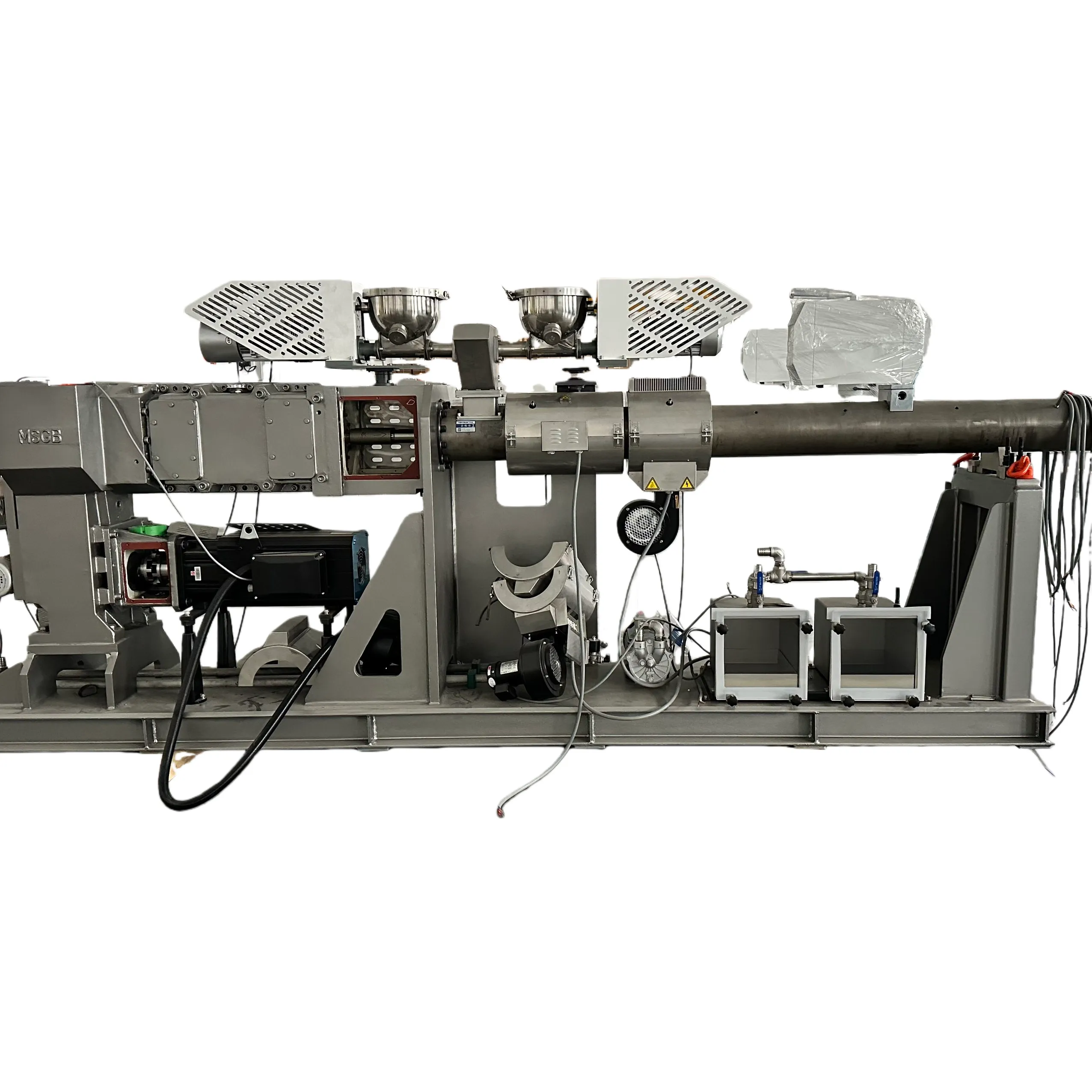
PVC-O pipe achieves exceptional leak resistance through biaxial molecular orientation—stretching raw PVC-U both axially and radially to align polymer chains into a layered, shrunken-wrap structure. This process transforms amorphous PVC-U into a material with up to 60% slower crack propagation than conventional PVC-U and a Minimum Required Strength (MRS) class of 500—five times higher than HDPE’s maximum of 100. The result is a thinner-walled pipe that maintains high pressure capacity while offering superior ductility: it bends without stress cracking, accommodates earth movement, and sustains joint integrity over decades. This inherent structural resilience forms the foundational barrier against leakage in buried drinking water mains.
Hydraulic Stress Testing: How PVC-O Joints Outperform Traditional PVC-U and HDPE
Under dynamic hydraulic stress—including water hammer and surge events—PVC-O joints maintain zero-leak seals where traditional systems falter. Pressure cycling tests show PVC-U socket joints often develop slow weeping failures after repeated surges, whereas PVC-O joints retain full integrity. Its enhanced hoop strength supports surge pressures up to 2.6 times the nominal pressure class without joint separation. Compared to HDPE butt-fusion joints—which require skilled technicians, cooling time, and post-fusion inspection—PVC-O push-fit gasketed connections deliver immediate, testable performance. Field data indicate PVC-O installations pass initial pressure tests on the first attempt 95% of the time, versus 80% for HDPE. Combined with a smooth internal surface (Hazen-Williams C-factor >150), this reduces pumping energy and eliminates the joint as the pipeline’s weakest link.
Push-Fit and Gasketed Joints: Design Advantages for Zero-Leak Field Performance
PVC-O push-fit joints rely on a pre-lubricated elastomeric gasket that compresses evenly around the spigot during insertion, forming a continuous seal capable of withstanding internal pressures up to 250% of the pipe’s rated class. Unlike solvent-cemented or fused joints, they accommodate slight axial movement and angular deflection—reducing stress from ground settlement or thermal expansion. The gaskets use high-tensile synthetic rubber compounds engineered for long-term elasticity and chemical stability, ensuring reliable sealing over decades. With over 30 million such joints installed globally in the past ten years, the field failure rate for properly installed PVC-O remains below 0.02%, significantly outperforming legacy PVC-U bell-and-spigot systems prone to gasket extrusion and misalignment.
Best Practices: Alignment, Compression, and QA Protocols for Consistent Watertightness
Consistent watertightness demands disciplined execution of three core installation protocols. First, pipes must be aligned horizontally before joining to prevent gasket rolling or pinching. Second, insertion force must be controlled—using a pipe puller or push bar—to achieve precise depth alignment with the bell face marker; under-insertion leaves gaps, while over-insertion risks gasket damage. Third, every completed section requires a 15-minute pressure hold test at 1.5× working pressure prior to backfilling. Supporting practices include verifying trench bedding compaction per ISO 10400 standards and using calibrated torque wrenches for mechanical restraints to ensure uniform gasket compression. When paired with routine visual checks of gasket seating and groove cleanliness, these protocols reduce installation-related defects by more than 60% compared to informal methods.
Chlorine Resistance and Elastomer Compatibility: Evidence from Decades of Municipal Use
The dense, non-porous structure of oriented PVC-O provides inherent resistance to chlorine and other disinfectants used in potable water systems. European utility data confirm full retention of mechanical strength and joint integrity after more than 30 years of exposure to residual chlorine levels of 0.5–4 mg/L. Accelerated aging studies verify stable compatibility between PVC-O and high-performance elastomer gaskets, with no degradation of sealing function over time. A 2023 lifecycle assessment of buried PVC-O infrastructure found 98% retention of original pressure rating after 50 years—demonstrating negligible impact from chlorine attack or long-term creep. This proven durability under real-world conditions makes PVC-O a preferred specification for corrosion-prone distribution networks.
Low Permeability and Biofilm Resistance: Key Factors in Sustained Watertight Performance
PVC-O exhibits exceptionally low permeability to water vapor and gases, eliminating both external contaminant ingress and internal water loss through the pipe wall. Its ultra-smooth inner surface (C-factor >150) minimizes friction and discourages biofilm adhesion. Over 15-year comparative studies show PVC-O accumulates 60–70% less biofilm than cement-lined steel or ductile iron pipes—critical because biofilm can accelerate microbiologically influenced corrosion at joints. Moreover, PVC-O’s creep strain is 70% lower than HDPE, preserving dimensional stability of seal grooves and gasket geometry under sustained pressure. These interrelated properties ensure that joint geometry, gasket performance, and wall integrity remain unchanged across decades of service—delivering sustained, verifiable watertightness.
Real-World Validation: Case Evidence of PVC-O Pipe Watertight Success
A major municipal water authority replaced over 10 km of aging cast iron and ductile iron mains with PVC-O pipe in high-demand zones plagued by chronic leaks and service interruptions. Post-installation monitoring showed an immediate and sustained reduction in non-revenue water—dropping from 22% to under 8% within two years. Joint-related failures vanished, maintenance call-outs decreased by 75%, and operational costs fell steadily over five years. This outcome aligns directly with laboratory and field test results: the combination of molecular orientation, robust gasketed joints, and long-term material stability delivers the zero-leak performance required for modern water security. The case underscores PVC-O’s role not just as a pipe replacement—but as a systemic solution for achieving lasting watertight integrity.
FAQ
What makes PVC-O pipes more resistant to leaks compared to other types?
PVC-O pipes are made using biaxial molecular orientation, which results in a stronger and more ductile material. This design provides superior leak resistance, reducing crack propagation, bending without stress cracking, and maintaining joint integrity over time.
How do PVC-O joints compare to traditional PVC-U and HDPE joints in terms of performance?
PVC-O joints maintain zero-leak seals under dynamic hydraulic stress, outperforming traditional systems. They support surge pressures and ensure easier installation due to push-fit gasketed connections, boasting a higher success rate in initial pressure tests.
Why are push-fit and gasketed joints preferred in PVC-O pipes?
Push-fit and gasketed joints provide a continuous seal that can withstand significant pressure and accommodate slight movements, reducing stress from ground settlement or thermal expansion. This design results in a very low field failure rate.
How do best practices contribute to the watertightness of PVC-O pipes?
Strict installation protocols, such as horizontal alignment, controlled insertion force, and pressure testing, combined with proper trench compaction and routine gasket inspections, significantly reduce installation-related defects.
Do PVC-O pipes withstand chlorine exposure effectively?
Yes, PVC-O pipes have a dense structure that resists chlorine attack. They maintain their strength and joint integrity after decades of exposure to chlorine, making them suitable for use in potable water systems.
Table of Contents
-
Why PVC-O Pipes Deliver Superior Watertight Integrity
- Molecular Orientation: The Structural Foundation of Leak Resistance
- Hydraulic Stress Testing: How PVC-O Joints Outperform Traditional PVC-U and HDPE
- Push-Fit and Gasketed Joints: Design Advantages for Zero-Leak Field Performance
- Best Practices: Alignment, Compression, and QA Protocols for Consistent Watertightness
- Chlorine Resistance and Elastomer Compatibility: Evidence from Decades of Municipal Use
- Low Permeability and Biofilm Resistance: Key Factors in Sustained Watertight Performance
- Real-World Validation: Case Evidence of PVC-O Pipe Watertight Success
- FAQ