
 EN
EN



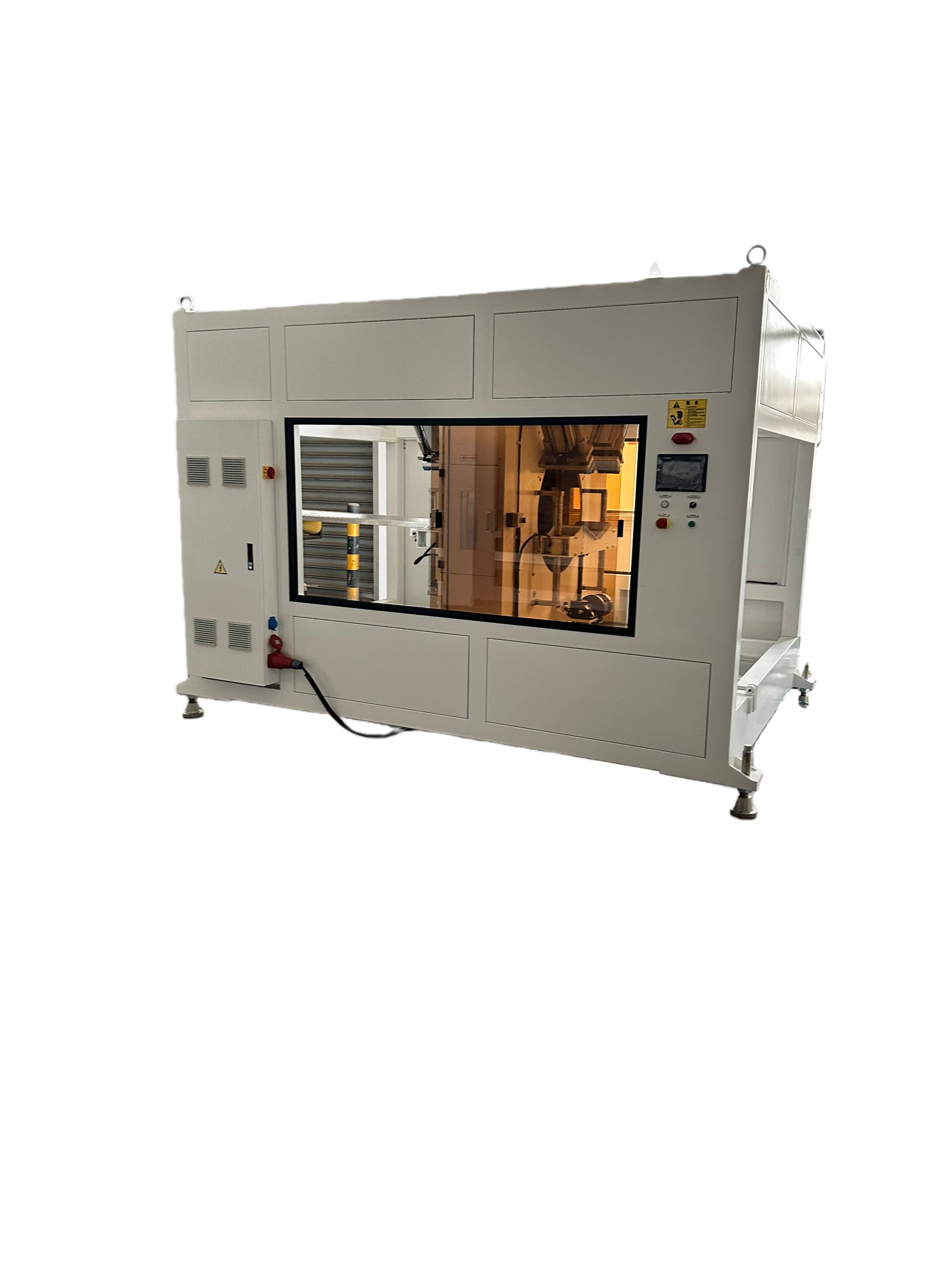
Extended Service Life and Lifecycle Sustainability of PVC-O Pipe
100-Year Design Life Reduces Replacement Frequency and Infrastructure Disruption
PVC-O pipe is engineered for a verified design life of over 100 years under normal operating conditions—a benchmark validated by ISO 16422 and AWWA C909. This exceptional longevity reduces replacement frequency by up to 60% compared to conventional materials like ductile iron, concrete, or standard PVC-U. Each avoided replacement eliminates associated emissions from manufacturing, transport, excavation, and installation—cutting cumulative lifecycle impacts while minimizing disruption to communities. Fewer roadworks mean reduced traffic delays, lower noise pollution, and less strain on municipal maintenance budgets. Crucially, PVC-O’s inherent resistance to corrosion, chemical degradation, and fatigue eliminates the need for internal linings or cathodic protection systems, further extending service intervals and lowering long-term operational burdens. As a result, the annualized environmental impact per kilometer of water delivered declines substantially—making PVC-O a foundational choice for climate-resilient, low-intervention infrastructure.
Lower Embodied Energy per Year of Service Due to Exceptional Durability
Lifecycle sustainability hinges not on upfront embodied energy alone, but on how that energy is amortized over actual service life. PVC-O excels here: its biaxially oriented structure enables thinner walls without compromising pressure capacity, reducing material mass and production energy. Comparative LCAs show PVC-O carries up to 30% lower embodied energy per meter per year than standard PVC-U. When normalized over its 100-year design life, its carbon footprint drops to approximately 14.5 kg CO₂ per km annually—well below HDPE (22+ kg CO₂/km/yr) and significantly less than ductile iron. This durability-driven efficiency decouples water delivery from recurring energy-intensive replacement cycles, directly supporting long-term resource conservation and net-zero infrastructure planning.
Material Efficiency: How PVC-O Pipe Cuts Resource Use and Waste
PVC-O achieves substantial resource savings—not through compromise, but through advanced molecular engineering. Its unique biaxial orientation process delivers superior mechanical performance with markedly less raw material, aligning cost efficiency with environmental stewardship in water infrastructure projects.
30–40% Thinner Walls vs. PVC-U at Equal Pressure Rating
At identical pressure classes (e.g., PN10 or PN16), PVC-O pipe walls are consistently 30–40% thinner than those of standard PVC-U—yet maintain equal or greater structural integrity. This reduction stems from molecular alignment during orientation, not wall thinning alone. The result is up to 50% less polyvinyl chloride resin per linear meter versus equivalent ductile iron or concrete systems over their full service life. Lighter weight also lowers transport fuel use and reduces on-site lifting requirements—contributing meaningfully to upstream emission reductions. These gains are confirmed across industrial extrusion data and third-party LCAs aligned with EN 15804 and ISO 14044.
Molecular Orientation Enables Structural Strength with Less Raw Material
The biaxial orientation process—stretching the pipe both circumferentially and longitudinally under precise thermal control—transforms amorphous PVC into a layered, highly ordered polymer network. This restructured matrix delivers exceptional tensile strength, impact resistance, and crack propagation resistance, yielding a strength-to-weight ratio unmatched by unoriented thermoplastics. Because performance is enhanced at the molecular level—not via added material—PVC-O achieves hydraulic and pressure performance parity with conventional pipes using significantly less feedstock. Critically, the orientation process generates virtually no scrap or offcuts, and finished products fully comply with ISO 16422 and AWWA C909. This intrinsic material efficiency ensures a smaller environmental footprint per unit of functional performance—without trade-offs in safety, reliability, or regulatory compliance.
Proven Environmental Superiority: PVC-O Pipe in Comparative LCA Studies
25–50% Lower Global Warming Potential vs. PE, Ductile Iron, and Concrete
Robust, peer-reviewed life cycle assessments consistently position PVC-O as the lowest-GWP option among common pressure pipe materials. A 2023 study presented at the International Conference on Plastics in Sustainable Infrastructure found ductile iron generated five times more global warming potential than PVC-O for a DN100 pressure pipe—while PVC-O showed 25–50% lower GWP than HDPE, ductile iron, and concrete across cradle-to-grave scenarios. These advantages arise from lower energy intensity in resin production and extrusion, minimal freshwater use during manufacturing, and reduced transport and installation emissions due to lighter weight. Australian and European LCAs corroborate these findings, all conducted per ISO 14044 and reporting in accordance with EN 15804—ensuring methodological rigor and comparability.
Full Compatibility with Existing PVC Recycling Streams Supports Circular Economy Goals
End-of-life management is integral to sustainability—and PVC-O integrates seamlessly into mature PVC recycling infrastructure. Chemically identical to unplasticized PVC (uPVC), it can be ground, washed, and reprocessed alongside post-consumer PVC pipes and fittings without contamination concerns. Active collection and reprocessing schemes in Europe, North America, and Australia already convert used PVC pipes into new pipe profiles, drainage products, and construction components. With its 100-year design life, PVC-O installed today will reach end-of-life well after global recycling capacity—and policy frameworks—have scaled to support high-value circularity. This closed-loop compatibility reinforces PVC-O’s role in advancing circular economy targets while keeping durable infrastructure materials out of landfills.
FAQ
What is the design life of PVC-O pipes?
PVC-O pipes have a verified design life of over 100 years under normal operating conditions.
How does PVC-O compare to other materials in terms of environmental impact?
PVC-O pipes have up to 50% lower global warming potential compared to HDPE, ductile iron, and concrete in life cycle assessments.
What advantages does PVC-O provide in terms of material efficiency?
PVC-O pipes use 30–40% thinner walls than PVC-U pipes at equal pressure ratings, which reduces raw material use while maintaining structural integrity.
Can PVC-O pipes be recycled?
Yes, PVC-O pipes are chemically identical to unplasticized PVC and can be recycled alongside other PVC materials, supporting circular economy goals.