
 EN
EN



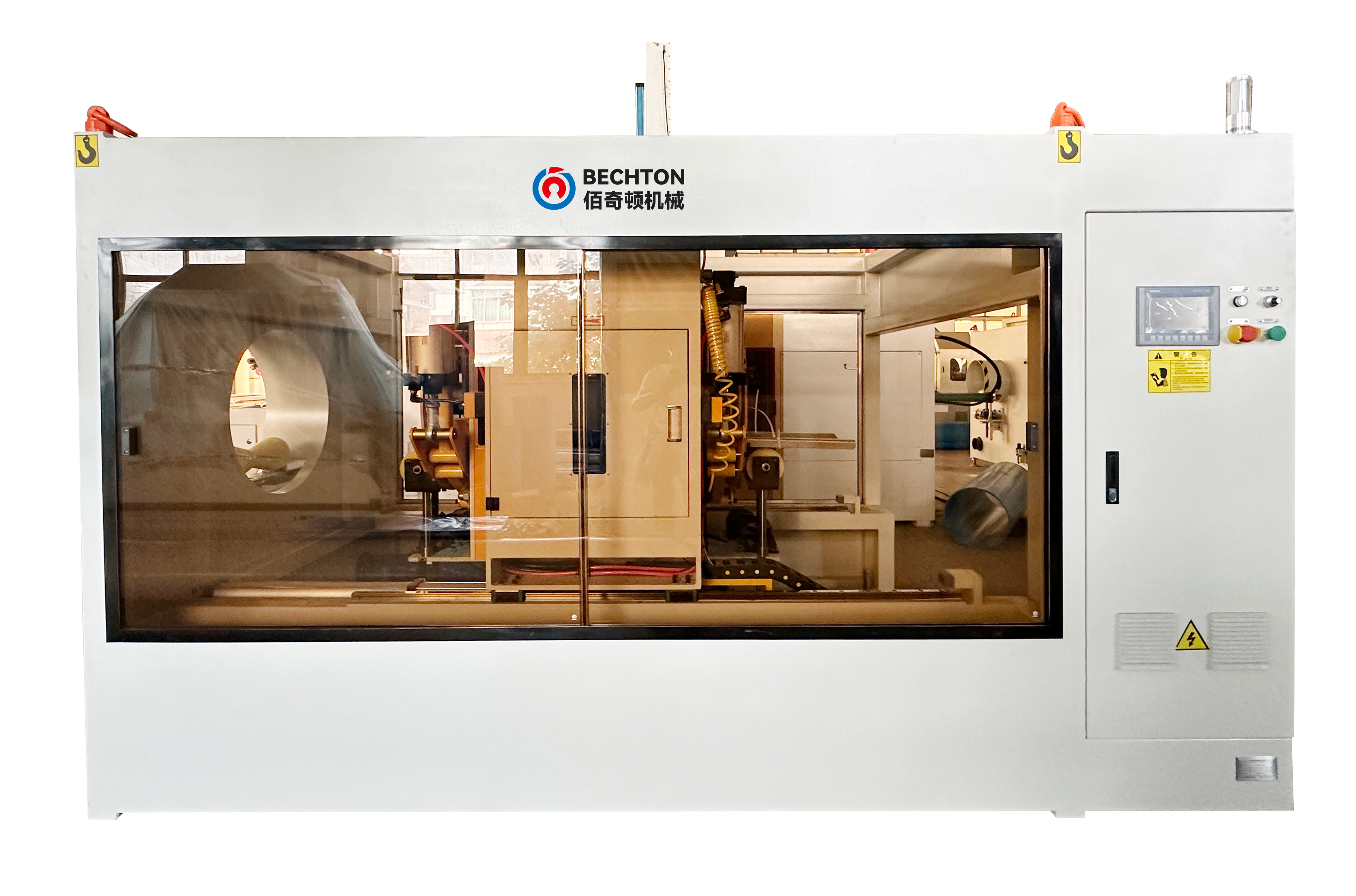
Understanding PVC-O Technology and the Evolution of PVC-O Pipe Extrusion Lines
The Science Behind PVC-O Technology Benefits: Molecular Orientation Explained
PVC-O pipes, which stands for Oriented Polyvinyl Chloride, actually become much stronger because of how the molecules line up during production. When manufacturers stretch the PVC material in certain ways, those long polymer chains get rearranged into something like a stronger microscopic structure. According to research published last year in the Plastics Engineering Journal, this process can boost tensile strength by around 80 percent when compared with regular old PVC pipes. The special stretching technique called biaxial orientation works by lining up the molecules in two different directions at once radial and circular. What does this mean practically? Well, these pipes can handle much higher pressures without breaking, yet they still maintain some level of flexibility that makes installation easier in real world conditions.
How the Extrusion Process for PVC Pipes Transformed with PVC-O Innovation
The latest PVC-O manufacturing employs inline extrusion technology where orientation becomes part of the main production flow instead of relying on outdated batch processes that needed separate heating and stretching steps. These modern extruders work with carefully controlled temperatures around 115 to 135 degrees Celsius along with specially arranged rollers that align molecules during one continuous operation. What makes this approach so impressive is how it cuts down energy usage by about a third and manages to produce twice as much material as the old systems did. For manufacturers looking to cut costs and boost efficiency, these improvements represent a significant leap forward in polymer processing capabilities.
Axial and Biaxial Orientation Techniques in PVC-O Production
| Orientation Type | Stress Direction | Key Benefit |
|---|---|---|
| Axial | Lengthwise | Enhanced crack resistance |
| Biaxial | Radial + Circumferential | Superior pressure rating |
Biaxial orientation is now standard in PVC-O manufacturing, as it simultaneously improves hoop strength for internal pressure and longitudinal stability for trench loading. Trials show biaxially oriented pipes withstand 2.5x higher cyclic stress than axially oriented equivalents.
Leading Manufacturers' Role in Advancing Inline Extrusion for PVC-O
Dynamic process control has enabled real-time adjustments in modern extrusion lines. PLC systems automatically compensate for variations in material viscosity, maintaining ±1.5°C temperature stability throughout production. These advancements have reduced wall thickness variation by 60% and consistently achieved orientation ratios of 3:1, validated in large-scale water infrastructure projects.
Enhanced Mechanical Properties Through Bi-Orientation in PVC-O Pipes
How Molecular Orientation Enhances PVC Performance
When PVC undergoes biaxial orientation, it forms a kind of mesh-like structure throughout the material that really boosts its mechanical properties. The process involves stretching the pipe along two different axes at once, which causes the polymer molecules to line up in a more organized way. This alignment makes the material significantly stronger than regular PVC-U, with some tests showing around a quarter increase in tensile strength. What's interesting is how this structural change spreads out stress across the entire surface area. Manufacturers can actually make pipes with thinner walls while still maintaining good durability levels. According to studies conducted by materials experts, these oriented PVC products reach about 90 MPa in tensile strength, which puts them roughly twice as strong as what we typically see in standard PVC-U applications.
Superior Strength and Impact Resistance of PVC-O Pipes
PVC-O pipes can withstand about 2.5 times more internal pressure compared to regular PVC-U pipes, all while keeping the same flow efficiency characteristics. What makes this possible? The material's unique microstructure actually has these special stop points built right into it. These features work to stop cracks from spreading when they start at a microscopic level. Real world testing indicates that even at temperatures as low as minus ten degrees Celsius, PVC-O maintains around 95% of its impact resistance. That's pretty impressive when we compare it to materials like polyethylene and polypropylene, which tend to get really brittle and fragile in cold conditions. Because of this kind of performance, engineers often specify PVC-O for projects in regions where earthquakes are common or where pipes need to be buried very deeply underground.
Comparative Analysis: Mechanical Properties of PVC-O vs. Other Plastic Pipes
| Property | PVC-O | PVC-U | HDPE |
|---|---|---|---|
| Tensile Strength (MPa) | 80-90 | 40-50 | 20-30 |
| Elastic Modulus (GPa) | 4.0 | 3.0 | 0.8 |
| Impact Resistance (J/m) | 160 | 80 | 100 |
Data from global pipe standards organizations reveals PVC-O’s unique balance of rigidity and flexibility supports 50-year service lives in potable water systems—30% longer than HDPE. With a 4,000 MPa elastic modulus, it resists deformation under constant pressure while accommodating joint movement.
PVC-O Microstructure and Its Influence on Mechanical Performance
High-resolution imaging reveals layered crystalline structures in oriented PVC that form interlocking barriers against fatigue. This architecture boosts fatigue resistance by 400%, crucial for municipal networks facing repeated pressure surges. The optimized molecular arrangement also reduces creep deformation by 70% at 20°C, ensuring long-term dimensional stability.
Precision Temperature Control in PVC-O Extrusion and Orientation Processes
Cooling Phase and Molecular Alignment in PVC-O Pipe Production
The cooling phase is critical for locking molecular alignment in PVC-O pipes. Controlled temperature gradients between 20–40°C ensure structural integrity, with cooling rates exceeding 0.15°C/second during axial stretching yielding 40% higher tensile strength than standard PVC (Delinggearbox 2024). Modern systems use cascade logic to synchronize:
- Water bath cooling (20–25°C) for surface stabilization
- Air knife systems maintaining ±1°C uniformity across pipe walls
This phased approach prevents amorphous regions from destabilizing the biaxial crystalline structure essential for hydraulic performance.
Critical Temperature Thresholds in the PVC-O Production Process
The extruder barrel needs to stay around 160 to 200 degrees Celsius to strike the right balance between proper plasticization and avoiding material decomposition. When working in the melting zone, temperatures usually fall between 185 and 195 degrees Celsius. At these temps, melt flow indexes ranging from 7 to 9 grams per 10 minutes create the best conditions for orientation without causing tears in the material. If the temperature goes off by more than plus or minus 5 degrees, impact resistance drops by about 22%, according to Delinggearbox research from 2024. Heat stabilizers help maintain oven temperatures between 85 and 100 degrees Celsius during orientation processes. This temperature range allows for impressive 300% expansion around the circumference while keeping oxidation at bay. Manufacturers rely on real time infrared monitoring systems to catch when orientation happens within that critical 12 to 18 second timeframe. Once this window passes, polymer chains start breaking down, so timing really matters in production settings.
Long-Term Durability and Lifecycle Cost Benefits of PVC-O Pipes
Low Creep and Long-Term Durability: Why Infrastructure Projects Prefer PVC-O
The special way PVC-O is structured helps it resist creep deformation when subjected to constant pressure over time. The material's molecules are aligned in two directions, which actually cuts down on stress points in the pipe walls. This makes PVC-O pipes last really well in city water systems, often functioning properly for more than a century as long as installation standards are followed. According to recent industry research from 2023, around three out of four engineers now choose PVC-O instead of traditional ductile iron pipes for underground water mains. They cite better resistance to corrosion and the fact that PVC-O has a much more predictable service life compared to older materials.
Extended Service Life and Reduced Maintenance Costs
PVC-O’s resistance to chemical degradation and abrasion reduces maintenance needs by 60–70%. Unlike traditional materials requiring replacement every 30–50 years, PVC-O systems remain functional for decades with minimal intervention. A 2024 case study in Spain showed 22% lower annual upkeep costs in irrigation networks using PVC-O compared to HDPE.
Lifecycle Cost Benefits for Municipal Water Projects
Municipalities achieve 30–40% lifetime savings with PVC-O due to:
- Material efficiency: Thinner walls cut raw material use by 50%
- Installation savings: 60% lighter weight reduces labor and equipment costs
- Energy conservation: Smoother bore lowers pumping energy by 15–18%
These advantages are particularly valuable in urban systems, where the American Water Works Association estimates 45% of infrastructure budgets go toward pipe maintenance.
Resolving the Paradox: Higher Initial Cost vs. Lifetime Performance of PVC-O
Although PVC-O pipes cost 20–25% more upfront than PVC-U, their 50+ year service life delivers significant long-term value through:
- 80% fewer emergency repairs
- 30% lower replacement cycle costs
- 65% reduction in system downtime
A lifecycle analysis by leading infrastructure researchers demonstrated that when installation, maintenance, and decommissioning are considered, PVC-O systems offer 40% lower total costs than ductile iron in municipal water projects.
Superior Impact and Crack Propagation Resistance in Oriented PVC Pipes
Mechanical Performance of PVC-O Pipes Under Stress and Dynamic Loading
PVC-O’s biaxial orientation creates a multi-layered microstructure that acts as a built-in crack-arrest system. Under dynamic loads up to 10 kN, these pipes exhibit 10– higher impact resistance than standard PVC-U (Vynova Group 2024). The aligned configuration redirects stress away from defects, preventing failures even at 28 MPa internal pressure.
| Property | PVC-O | PVC-U | HDPE |
|---|---|---|---|
| Impact Strength (kJ/m²) | 75–90 | 6–8 | 15–20 |
| MRS Value (MPa) | 45–50 | 25–28 | 8–10 |
Field tests confirm PVC-O withstands over 300,000 pressure cycles without fatigue—essential for surge-prone water systems. A 2023 study revealed oriented pipes absorb 92% more energy before failure than PVC-M alternatives.
Field Case Studies: Failure Resistance of PVC-O in Harsh Environments
In subarctic conditions, PVC-O maintained full functionality at -25°C, while competing materials became brittle within 72 hours (BEIER Extrusion 2024). A decade-long project in Saudi Arabia reported zero replacements across 18 km of PVC-O pipeline despite surface temperatures exceeding 50°C.
The crack-stopping capability proved effective in seismic zones, where 140 mm PVC-O pipes survived 9 mm ground displacements without leaks during post-installation monitoring. Operators observed 40% fewer joint failures compared to conventional systems under similar trench conditions.
FAQ Section
What does PVC-O stand for?
PVC-O stands for Oriented Polyvinyl Chloride, which indicates a type of PVC with enhanced molecular structure due to special manufacturing processes.
How does PVC-O differ from regular PVC?
PVC-O differs from regular PVC due to its biaxial molecular orientation, allowing for increased tensile strength, pressure capacity, and impact resistance.
Why is PVC-O preferred in water infrastructure projects?
PVC-O is preferred because of its long-term durability, lower maintenance costs, and resistance to chemical degradation and stress, which are crucial in water systems.
What are the benefits of bi-orientation in PVC-O pipes?
Bi-orientation in PVC-O pipes enhances hoop and longitudinal strength, allowing them to withstand high pressure and cyclic stress better than other materials.
Table of Contents
- Understanding PVC-O Technology and the Evolution of PVC-O Pipe Extrusion Lines
- Enhanced Mechanical Properties Through Bi-Orientation in PVC-O Pipes
- Precision Temperature Control in PVC-O Extrusion and Orientation Processes
- Long-Term Durability and Lifecycle Cost Benefits of PVC-O Pipes
- Superior Impact and Crack Propagation Resistance in Oriented PVC Pipes
- FAQ Section