
 EN
EN



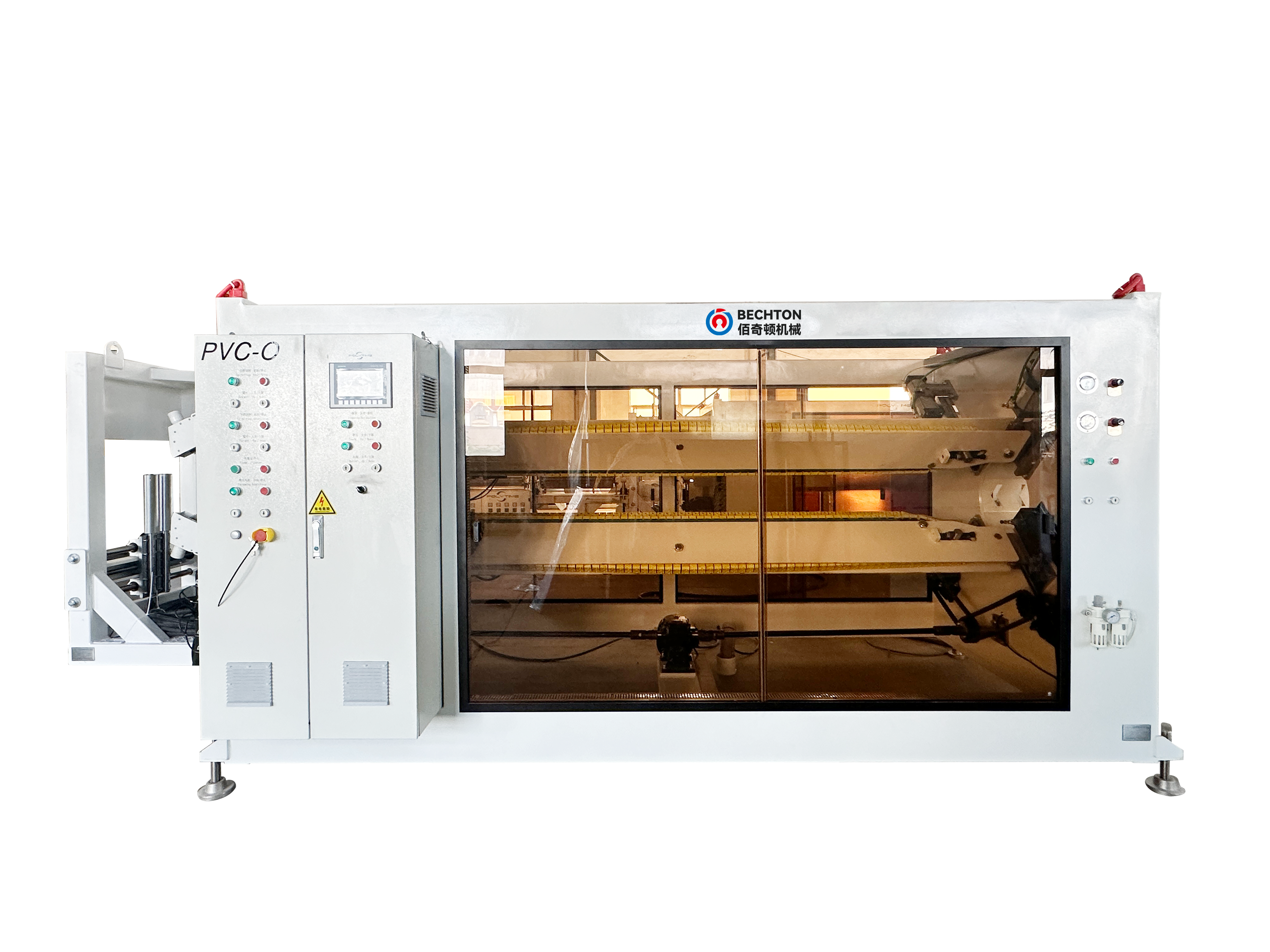
Real-Time Monitoring Challenges in PVC-O Pipe Extrusion
Inconsistent Measurement of Tube Dimensions (Inner and Outer Diameter)
The old manual gauging techniques used during PVC-O pipe extrusion just aren't cutting it anymore when it comes to spotting those tiny dimensional changes at the micron level. We've seen production runs where tolerances go way beyond the acceptable range of plus or minus 0.5mm. According to the latest findings from the Extrusion Technology Report released last year, installing sensors cuts down on these size variations by about a third compared to what we get with regular caliper measurements. These days, infrared laser micrometers are making waves with their impressive 0.01mm precision for checking both inside and outside diameters at the same time. However, there's still a problem with how these sensors are placed around cooling tanks in real world settings. When not positioned correctly, they end up creating measurement mistakes roughly 12% of the time across different manufacturing sites.
Variability in Melt Temperature Affecting PVC-O Quality
When melt temperatures fluctuate more than plus or minus 3 degrees Celsius, PVC-O pipes lose about 18% of their impact resistance according to Automated Process Control Systems findings. Most modern extruders have eight zones for barrel heating, but problems still happen because shear heating gets out of control in the compression area. This creates hot spots that can reach as high as 195 degrees Celsius, which is way above the ideal 185 degree range for processing PVC-O materials. Looking at thermal images shows something interesting too. Around two thirds of all these temperature variations come down to inconsistent density in the raw material feedstocks, based on recent data from the Polymer Processing Institute in 2024. That explains why maintaining consistent feedstock quality remains such a critical factor in production.
Unpredictable Extruder Throughput and Melt Flow Dynamics
Even minor changes in screw speed can have a big impact on production rates. For example, just a 2 RPM variation affects material output by around 15 kg per hour in standard 90mm PVC-O extrusion systems. Some top companies have seen better results though. They've reported about a 22% boost in how consistently materials flow through their machines once they started using smart algorithms that link motor torque readings to changes in melt viscosity. Still, there's a persistent issue with material bridging problems causing unexpected stoppages. Industry wide statistics show these incidents account for between 5 and 7% of all unplanned downtime. This points to why many plants are now looking at upgrading their particle flow monitoring equipment in those feed hoppers where material gets stuck most often.
Thermal and Sensing Technologies for Precision in PVC-O Extrusion
Advanced Thermal Profiling Using Intelligent Sensors in Polymer Melts
For modern PVC-O extrusion processes, keeping temperatures within about 2 degrees Celsius across different melt zones helps avoid those annoying stress crystallization issues. These days, smart sensors are built right into the screw shafts and barrel areas. They measure how viscous the material is as it melts, which ties back to actual temperature readings from recent studies in polymer processing. This allows operators to tweak heater settings and adjust screw speed on the fly when needed. When manufacturers combine torque sensors with their thermal monitoring systems, they get better control over both energy usage and melt consistency. The result? Around 18 to 22 percent less wasted energy compared to older equipment setups, according to industry benchmarks.
Non-Invasive Sensing Techniques: Infrared, Ultrasonic, and Fluorescence Methods
For monitoring PVC-O, infrared thermography stands out as the main non-contact approach these days. Modern systems can actually reach resolutions down to 0.5 degrees Celsius even when running at line speeds of 3 meters per second. Pairing this with ultrasonic sensors for wall thickness creates what's called closed-loop dimensional control. This setup spots changes in outer diameter as small as 0.15 millimeters right away. Another interesting development involves fluorescence based additives. These tracers let manufacturers track how molecules align during the important biaxial stretching stage that affects PVC-O characteristics so much. Some tests showed this method cut down on material waste by about 34%, which makes it pretty appealing for production environments looking to improve efficiency.
Soft Sensors for Real-Time Estimation of Critical Extrusion Parameters
Modern machine learning techniques can actually figure out those hard-to-measure parameters such as die swell ratios both axial and hoop by looking at things like screw torque readings, melt pressure data, and infrared temperature scans from the production line. Recent research published last year showed these so-called soft sensors could predict die swell measurements with around 2.1 percent accuracy, which lets operators adjust haul off speeds before problems occur. When paired with traditional measurement tools, these digital sensors create what we call hybrid monitoring setups. Such systems stay stable even when there are big swings in material viscosity changes of plus or minus 12 percent, something that plagues many manufacturing operations day to day.
Smart Sensor Integration with AI and Automation Systems
AI-Driven Control of Screw Speed, Motor Power, and Process Stability
Today's PVC-O extrusion equipment uses smart AI systems that constantly tweak screw speeds and motor power according to what the sensors are telling them. These intelligent controls watch how the material flows and reacts to pressure changes, keeping dimensions within about 0.15 mm tolerance even when raw materials aren't perfectly consistent. The energy savings from this closed loop system are pretty impressive too - around 12 to 18 percent less than older PLC based machines. Recent reports from the plastics manufacturing sector back this up, showing significant reductions in power usage across multiple production facilities last year.
Digital Twin Technology for Simulation and Optimization of PVC-O Extrusion
Digital twins create virtual replicas of extrusion lines, allowing operators to test process adjustments without halting production. These models predict outcomes of temperature profile changes or die modifications with 94% accuracy, cutting trial-and-error calibration time by 65%. They also support predictive maintenance by simulating equipment wear under different operating conditions.
Closed-Loop Feedback Systems Powered by Intelligent Sensor Data
Infrared thickness gauges and ultrasonic crystallinity sensors feed over 500 data points per second into adaptive control systems. This continuous feedback loop automatically corrects extruder RPM and haul-off speed within 0.8-second latency windows, achieving 99.4% process stability across 24-hour production cycles.
Performance Gains and Cost-Benefit Analysis in Smart Extrusion Lines
Reduction in Dimensional Deviation and Scrap Rates with Sensor Integration
PVC-O extrusion lines fitted with smart sensors can hit tolerances below 0.15 mm for both diameter and wall thickness, which represents about a 27% boost compared to older systems. When operators monitor melt flow and die pressure in real time, it closes those annoying manual measurement gaps that used to plague production runs. Factories report around a 63% drop in scrap when working on precision parts after implementing these systems. The infrared thermal sensors catch cooling issues almost instantly—within half a second actually—which means problems get fixed before they spread throughout an entire batch. This kind of responsiveness makes all the difference in quality control for manufacturers dealing with tight specifications.
Case Study: Smart Extrusion Line Performance Metrics
A major plastics manufacturer recently upgraded their extrusion line with AI technology and saw remarkable results. The first pass yield jumped from around 78% with older systems to an impressive 92% once they implemented multi-spectral sensors throughout the process. They also managed to cut down energy usage by between 18 and 22% for each meter of PVC-O pipe produced by fine tuning those motors to run at variable speeds. What's more, dimensional accuracy stayed consistent even during long 120 hour production shifts. All these improvements added up to real money saved too. The company reported saving approximately $58k every month on materials alone according to their 2023 efficiency reports, which shows just how impactful modern manufacturing tech can be when applied correctly.
Balancing High Initial Investment with Long-Term Precision and Efficiency Gains
Smart extrusion systems do come with a bigger price tag upfront, usually around 30 to 40 percent more than traditional setups. But most manufacturers find that their investment pays off within two to three years. The automated systems catch defects much faster than manual checks, cutting down on quality control staff needs by almost half. And when it comes to maintenance, these smart systems predict issues before they happen, which means machines last anywhere from three to five extra years. Looking at actual production numbers, companies producing PVC-O pipes see their costs drop by about 19% after implementing these systems. What's really impressive is how tight the error margins get too, often below 0.8% for both heat resistance and structural integrity tests.
Future Trends in Intelligent Sensing for PVC-O Manufacturing
Next-Generation Data-Driven Models for Adaptive Extrusion Control
Modern analytics driven by artificial intelligence are processing live sensor information about melt flow rates, temperature changes across materials, and how molecules line up during production. These advanced models allow machines to automatically adjust their die shapes and screw rotation speeds. The results? About 23 percent fewer size inconsistencies and around 17 percent less energy used when compared with older fixed control methods according to research published last year in polymer processing journals. This kind of flexible system fits right into what's happening across manufacturing right now where factories want everything to optimize itself without constant human oversight.
Expanding Role of Digital Twins in Predictive Maintenance and Process Tuning
The use of digital twins is changing how PVC-O gets made, letting manufacturers simulate their production processes across different material qualities and environmental factors. These virtual models look at past sensor readings to predict when machines might start wearing out, which has cut down on unexpected stoppages by around 30-35% according to early tests. When paired with those non-destructive testing sensors, these models can be updated every hour, forming continuous improvement cycles that help maintain consistent wall thickness throughout production runs. For companies looking at long term sustainability, this approach means parts last longer before needing replacement and creates far less scrap material overall, making a real difference in both operational costs and environmental impact.
Frequently Asked Questions (FAQ)
Why is real-time monitoring important in PVC-O pipe extrusion?
Real-time monitoring is crucial for maintaining the precision in pipe dimensions and melt quality. It helps manufacturers identify and rectify issues quickly, minimizing material waste and downtime.
How do smart sensors improve the extrusion process?
Smart sensors offer real-time insights for precise control over process parameters like temperature and pressure, reducing dimensional deviations and scrap rates while optimizing energy usage.
What role does AI play in modern extrusion processes?
AI enhances process stability by adjusting operational parameters based on sensor data, resulting in improved energy efficiency and product consistency.
Are digital twins beneficial for PVC-O manufacturing?
Yes, digital twins allow manufacturers to simulate and optimize extrusion processes, predict equipment wear and improve operational efficiency, which reduces unplanned downtime.
What's the cost-benefit analysis for implementing smart extrusion systems?
Despite higher initial costs, smart extrusion systems yield significant long-term benefits, including reduced material waste, lower energy consumption, and enhanced product quality, culminating in a swift ROI within 2-3 years.
Table of Contents
- Real-Time Monitoring Challenges in PVC-O Pipe Extrusion
- Thermal and Sensing Technologies for Precision in PVC-O Extrusion
- Smart Sensor Integration with AI and Automation Systems
- Performance Gains and Cost-Benefit Analysis in Smart Extrusion Lines
- Future Trends in Intelligent Sensing for PVC-O Manufacturing
- Frequently Asked Questions (FAQ)