
 EN
EN



Core Automation Architecture for Reliable PVC-O Pipe Extrusion Line Performance
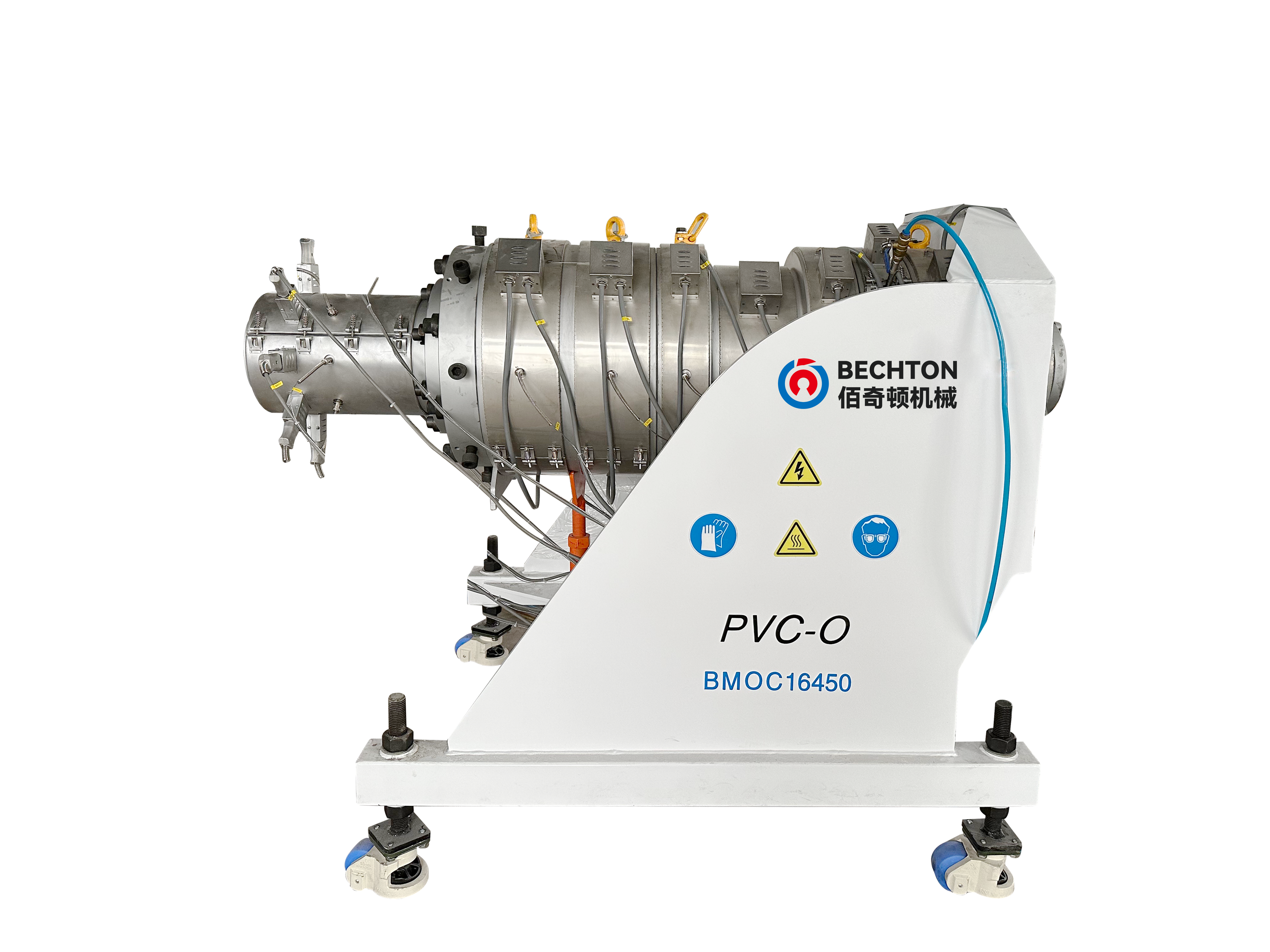
PLC-Controlled Process Synchronization and Closed-Loop Feedback Systems
PLCs form the core control system for today's PVC-O pipe extrusion operations, making sure all parts work together smoothly during extrusion, cooling, and stretching processes. The controllers constantly monitor conditions through infrared sensors and pressure gauges, keeping melt pressure stable within about half a bar and temperatures tightly controlled around one degree Celsius. Special PID calculations handle these readings to tweak screw rotation speeds and heating zones as needed, which stops pipes from getting out of shape and maintains consistent wall thickness down to about 0.15 millimeters. This kind of responsive control cuts down on wasted materials by roughly 20 percent when compared to older systems that don't have such smart adjustments. Plus, if something goes wrong with a sensor, the system can switch over to backup components automatically, so production keeps running without waiting for someone to fix the problem manually.
Industry 4.0 Integration: IoT Sensors, Edge Computing, and Real-Time MES Dashboards
Modern PVCO extrusion lines are getting smart with Industry 4.0 features thanks to IoT networks spread throughout the system. Vibration sensors attached to gearboxes and ultrasonic thickness gauges collect around 15,000 data points every hour. These edge computing devices handle all that information right on site, running machine learning algorithms that spot tiny problems in less than half a second. That's about ten times quicker than waiting for results from the cloud. All these insights show up on MES dashboards where operators can see important metrics like real time OEE scores, how much energy each meter of pipe consumes, and warnings when maintenance is needed soon. Workers actually find these tools helpful for making changes between production runs, reducing downtime by roughly 35% without sacrificing ASTM F1483 standards. Plus they can troubleshoot issues remotely when something goes wrong during extrusion. The whole setup keeps improving itself as algorithms get better over time, which means factories typically see their output increase somewhere between 12 and 15 percent year after year.
Predictive Maintenance Strategies to Minimize Downtime in PVC-O Pipe Extrusion Line Operations
Vibration, Thermal, and Current Signature Analytics for Critical Extruder Components
When it comes to spotting problems in extruder parts before they break down, vibration monitoring, thermal imaging, and current analysis are really useful tools. Vibration sensors tend to pick up on bearing issues in screw shafts about three to five weeks ahead of actual failures happening. Thermal sensors catch when temperatures in different sections of the barrel start going off track, which often means there's wear on the refractory lining. And those current sensors attached to motor drives help spot load imbalances that come from inconsistent polymer batches. Putting all these diagnostic methods together allows maintenance teams to plan repairs around regular shutdown periods instead of dealing with unexpected breakdowns. According to recent industry data from 2023, this approach cuts down unplanned downtime by roughly two thirds compared to traditional methods.
Maintenance Scheduling Optimized via Machine Learning–Based Failure Forecasting
Modern machine learning systems look at what's happening right now with sensors while also checking past equipment failures and current production data like screw speed, melt pressure readings, and how fast things cool down. These smart systems can predict when parts will need replacing with pretty impressive accuracy - around 92% according to tests. What does this mean for factory managers? Instead of following strict maintenance schedules based on calendars, they now respond to actual conditions. For example, gearboxes that used to fail unexpectedly can now be predicted over 120 hours ahead of time. The real money saver comes when companies schedule part replacements during regular product switches rather than dealing with emergency repairs. This strategy cuts down unexpected shutdowns by about 85%. Considering factories lose roughly $740k each year from these surprises as reported by industry studies, getting back that lost time pays off quickly. Most businesses see their investment pay itself back within just eight months thanks to better production flow and fewer interruptions.
Process Stability Engineering for Consistent PVC-O Pipe Quality and Dimensional Accuracy
Material-Specific Thermal Profiling and Die Swell Compensation Algorithms
The special crystal structure of PVC-O requires careful temperature control during processing. With advanced thermal profiling techniques, manufacturers can adjust heating areas to keep the melt viscosity stable around 2 degrees Celsius, which stops material breakdown and helps achieve better molecular alignment. Special algorithms help manage die swell after extrusion through real time flow modeling, and spiral shaped molds cut down on flow problems by roughly a third. All these combined make sure the pipe walls stay consistent within about 0.1 mm thickness variation, which means stronger burst resistance and better shape retention in the final PVC-O products coming off the production line.
Melt Temperature Uniformity and Screw Speed–Pressure Interlock Controls
The right high torque screws paired with good compression ratios help get rid of those pesky thermal gradients throughout the melt stream. Most modern systems come with built-in PLC controls that watch out for speed and pressure relationships. When viscosity starts drifting more than 5 percent off target, these smart controllers kick in and either tweak the screw speed or adjust heater settings to bring things back to normal. This kind of automatic adjustment keeps dimensions stable even when production conditions fluctuate, which means manufacturers see roughly half the material waste compared to older extrusion methods. And let's not forget about the ultrasonic sensors working in real time to check wall thickness consistency. These little devices can measure down to about 0.03 mm accuracy, making them essential for producing reliable pressure rated pipes that meet specifications consistently.
Energy Efficiency and Operational Cost Optimization Across the PVC-O Pipe Extrusion Line
Today's PVCO pipe extrusion lines can slash energy usage anywhere from 15 to 35 percent thanks to smart engineering designs built right into the system. Take barrier flight screws for instance they bring down specific energy needs to around 180-220 watt hours per kilogram according to Rollepaal's research from last year. What's really impressive? These designs manage to cut shear heating by nearly 18% without messing up the quality or consistency of production runs. The motor systems are another game changer. Servo driven models save about 40-50 Wh/kg because they adjust speeds automatically when things change during operation. And let's not forget about heat recovery setups that grab thermal energy normally lost during cooling periods. Plus there are those AI controlled shutdown features that knock out standby power consumption by roughly 15-20%. All told, factories using these technologies typically see their yearly expenses drop between $14k and almost $75k per line. Makes sense given how strict efficiency regulations have gotten worldwide for plastic manufacturing. But here's something else worth noting stable processes mean bigger savings too. Real time monitoring of viscosity allows operators to drop barrel temperatures by 12-15 degrees Celsius while still keeping those critical dimensions accurate in the finished pipes.
FAQ
What is the role of PLCs in PVC-O pipe extrusion lines?
PLCs serve as the core control system, ensuring smooth operation and synchronization of various processes such as extrusion, cooling, and stretching.
How do Industry 4.0 technologies improve PVC-O pipe extrusion?
Industry 4.0 technologies incorporate IoT sensors and edge computing for real-time data collection and analysis, improving operational efficiency, diagnostics, and maintenance.
What advantages do predictive maintenance strategies offer?
Predictive maintenance allows for early detection of potential failures, reducing downtime and optimizing repair schedules based on real-time conditions rather than predetermined calendars.
Why is temperature control crucial in PVC-O extrusion?
Temperature control ensures stability in melt viscosity and die swell management, resulting in consistent pipe quality and dimensional accuracy.
How can extrusion lines achieve energy efficiency?
Energy efficiency can be achieved through innovative designs such as barrier flight screws, servo-driven motor systems, and heat recovery setups, reducing energy consumption and operational costs.
Table of Contents
- Core Automation Architecture for Reliable PVC-O Pipe Extrusion Line Performance
- Predictive Maintenance Strategies to Minimize Downtime in PVC-O Pipe Extrusion Line Operations
- Process Stability Engineering for Consistent PVC-O Pipe Quality and Dimensional Accuracy
- Energy Efficiency and Operational Cost Optimization Across the PVC-O Pipe Extrusion Line
- FAQ