
 EN
EN



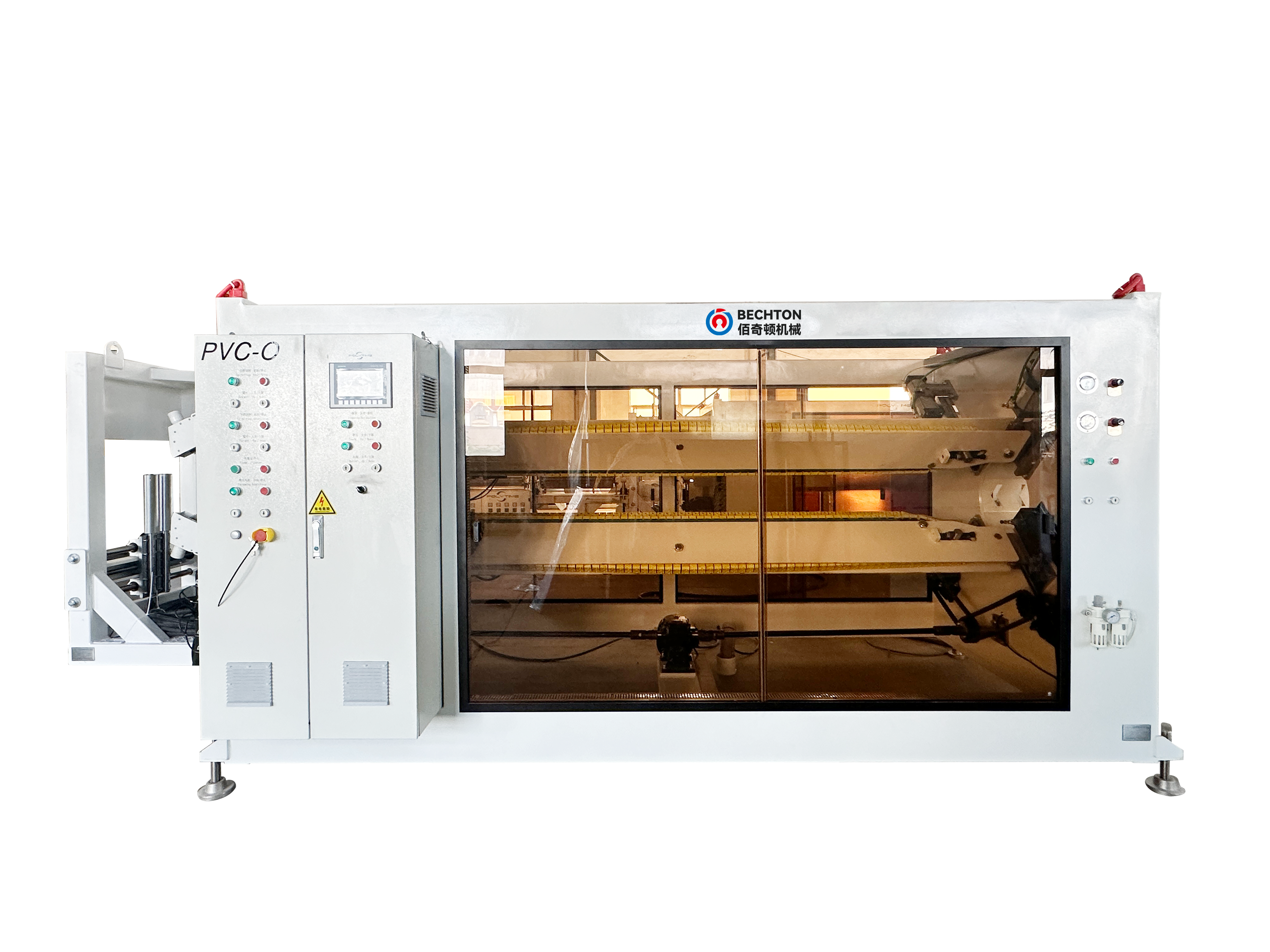
How PVC-O Pipe Extrusion Technology Ensures Potable Water Safety
Biaxial Orientation: Transforming PVC-U into High-Strength, Chemically Inert PVC-O
Biaxially Oriented Polyvinyl Chloride, or PVC-O as it's commonly called, takes regular PVC-U material and transforms it through some pretty interesting molecular changes. When manufacturing these pipes, they stretch them both ways at once during the extrusion process, all while keeping temperatures just right. This stretching aligns those long polymer molecules into something much more organized and connected throughout the material. What does this mean? Well, PVC-O ends up being about 50% stronger than standard PVC-U but still manages to have thinner walls, which makes transportation and installation easier too. One big advantage comes from how this orientation works its magic eliminating tiny spaces inside the material where dirt might otherwise collect. Instead we get what amounts to a solid, non-reactive surface that stops harmful substances like plasticizers from escaping into the water. Tests done by third parties show that PVC-O passes the NSF/ANSI 61 standards required for drinking water applications, and stays stable even when exposed to water with pH levels ranging anywhere between extremely acidic and very alkaline conditions.
Critical Process Controls: Temperature Profiling, Draw Ratio, and Annealing Stability
Consistent safety-critical performance depends on tightly controlled extrusion parameters:
- Temperature profiling maintains ±2°C uniformity during stretching to avoid crystalline defects
- Draw ratio calibration (typically 1.5:1 radial / 1.2:1 axial) ensures optimal molecular alignment without inducing microstructural stress
- Multi-stage annealing relieves internal stresses and locks in orientation gains—verified via residual stress mapping
Deviations beyond 5% in these parameters reduce impact resistance by 30% and fatigue life by 40%. Modern extrusion lines integrate real-time spectroscopy and wall-thickness sensors to sustain compliance with ISO 16422 tolerances—ensuring every pipe delivers reliable, contamination-free water transport.
PVC-O Pipe Compliance and Performance in Drinking Water Systems
Regulatory Alignment: NSF/ANSI 61, ISO 16422, ASTM F1482, and IS 15956
PVC-O pipes are certified to globally recognized standards for drinking water safety—including NSF/ANSI 61 (toxicity), ISO 16422 (material specifications), ASTM F1482 (performance), and IS 15956 (Indian standard). Third-party audited manufacturing ensures leaching remains below 0.01 ppm for regulated substances such as vinyl chloride, guaranteeing water purity from source to tap.
Corrosion Resistance and Zero-Leaching Assurance for Long-Term Potable Use
PVC-O has this special biaxial orientation that basically makes it resistant to electrochemical corrosion problems. No more dealing with rust buildup, scaling issues, or those annoying tuberculations that plague metal pipes over time. Some accelerated aging tests have been conducted where they couldn't find any sign of plasticizer migration even after simulating 50 years of use. That means water stays tasting good, smells normal, and doesn't become a breeding ground for microbes. Looking at real world applications, companies switching from traditional ductile iron systems report cutting their maintenance expenses down by around 43 percent over the long haul. The Water Research Foundation published these findings back in 2023, confirming what many plumbers and engineers are already seeing on site.
Engineering Durability: How PVC-O Pipe Achieves >100-Year Service Life
Fatigue Resistance and Hydrostatic Integrity: Data from Australian and UK Field Deployments
In actual field applications, we see just how durable PVC-O really is. Water companies across Australia have found that their pipes still hold about 94% of their original burst strength even after half a century underground. Similar results come from the UK where pressure ratings stay above what was originally specified despite many decades of service. Independent tests reveal something remarkable too: PVC-O can handle more than 10 million stress cycles at normal operating pressures. This impressive performance comes down to reduced creep deformation compared to regular PVC-U materials, around 70% less actually. The special layering within the material helps absorb shock when there's ground movement or sudden changes in water flow, which means cracks form much slower and the system stays intact under pressure. Looking at real world evidence, most installations retain roughly 98% of their pressure capacity after 50 years in service, beating out other pipe options according to several third party evaluations over time.
Real-Time Quality Assurance in PVC-O Pipe Production
The introduction of advanced monitoring has completely changed how PVC-O is manufactured, turning it into what we call a closed-loop quality system. Laser micrometers now automatically check wall thickness down to about 0.1 mm accuracy, something that used to require manual checks. At the same time, ultrasonic scanners can spot hidden flaws beneath the surface that no one would ever see just looking at the product. There's also real time spectral analysis happening behind the scenes. This basically confirms that molecules are aligned properly during production, which directly affects both chemical stability and how strong the final product will be. If anything goes outside the ISO 16422 specifications, the system makes automatic adjustments to the extrusion process before any bad batches get produced. Every step from when resin first enters the facility all the way through to when products are spooled up gets digitally recorded. These records meet requirements for NSF/ANSI 61 standards and others around the world for drinking water applications. Beyond compliance, this whole setup saves about 18% in material waste compared to older methods. Most importantly, it ensures there's absolutely no leaching over the entire 100 year lifespan designed into these products.
FAQs about PVC-O Pipe Extrusion Technology
1. How does PVC-O ensure potable water safety?
PVC-O pipes undergo a biaxial stretching process that aligns polymer molecules to create a stable, non-reactive material. This process not only increases strength by about 50% over standard PVC-U but also eliminates potential dirt traps, reducing the risk of contamination and ensuring NSF/ANSI 61 standards for drinking water.
2. What makes PVC-O resistant to corrosion?
The biaxial orientation of PVC-O makes it resistant to electrochemical corrosion, eliminating issues like rust and scaling found in metal pipes. It ensures a long-term service life without degradation, preserving water quality.
3. How is quality assured during PVC-O pipe production?
Advanced monitoring systems, including laser micrometers and ultrasonic scanners, are used in production to maintain ISO 16422 specifications. Real-time adjustments in the process ensure no defects occur, while comprehensive digital records verify compliance with drinking water standards.
4. What regulatory standards do PVC-O pipes meet?
PVC-O pipes are certified to meet NSF/ANSI 61, ISO 16422, ASTM F1482, and IS 15956 standards, ensuring they are safe and reliable for drinking water applications.
5. How long do PVC-O pipes last?
PVC-O pipes are engineered for durability, with data from field deployments showing they retain pressure capacity and structural integrity even after decades of use, indicating a service life exceeding 100 years.