
 EN
EN



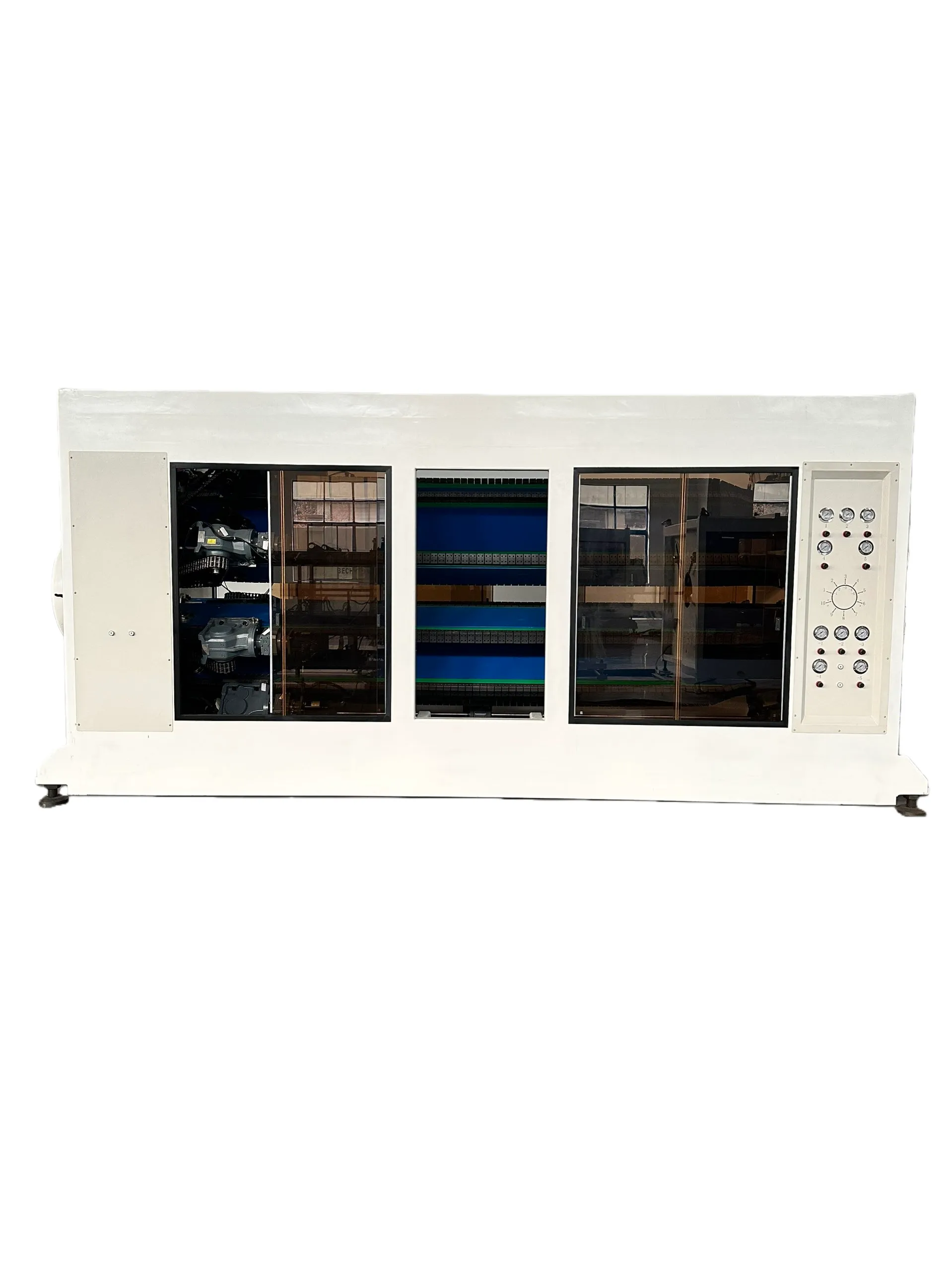
Why PVC-O Pipe Extrusion Line Is Critical for Green City Water Infrastructure
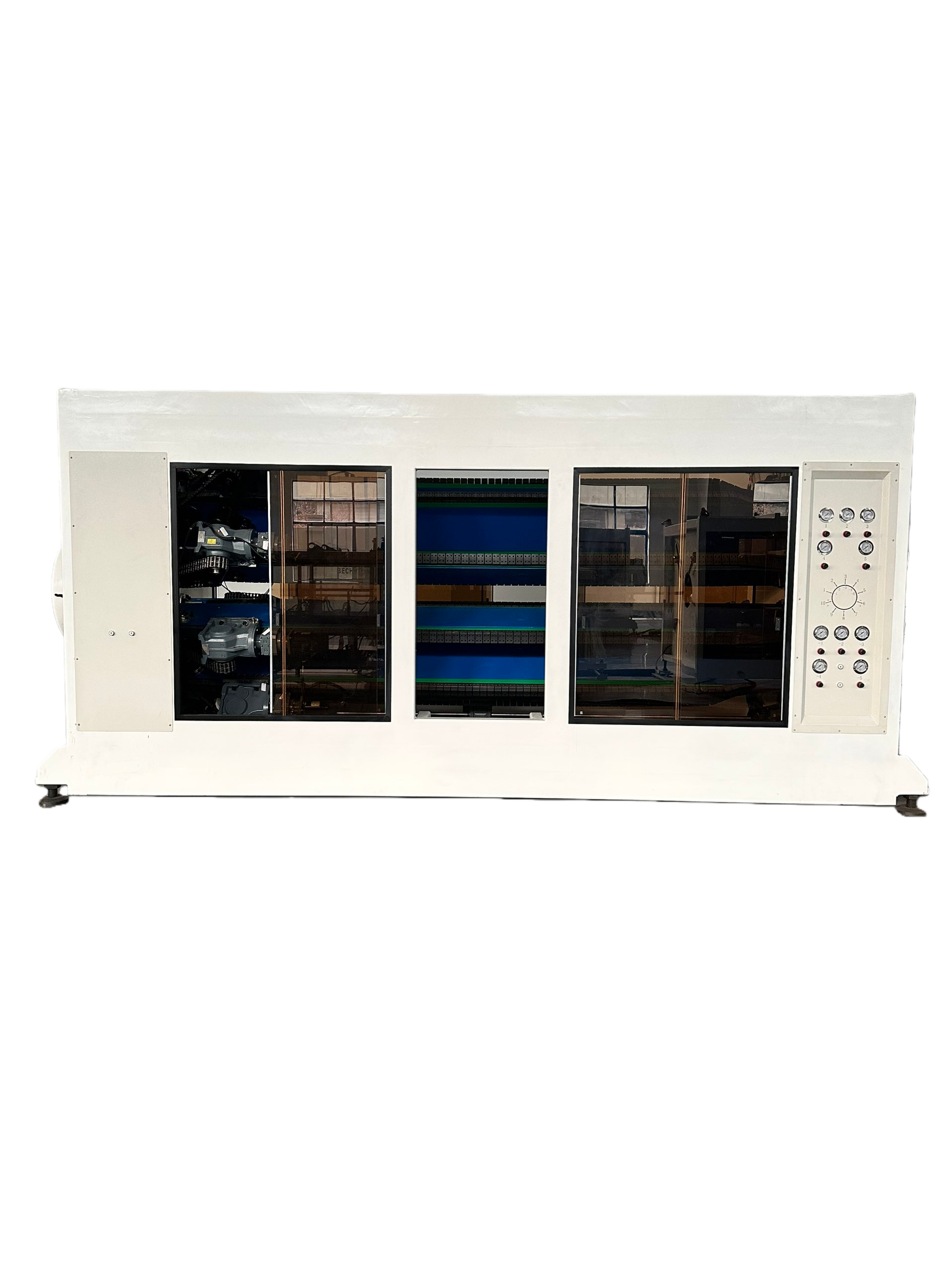
Urban water systems today are dealing with serious challenges because our infrastructure is getting older and climate change keeps throwing curveballs. PVC-O pipes made on specialized extrusion lines offer something really different for the industry. These pipes can handle the same pressure levels but have walls about half as thick as regular PVC or iron pipes, meaning we need less material for each section installed. That kind of efficiency helps cities meet their green goals when their underground pipes are often over fifty years old already. Looking at the big picture, studies suggest utilities could save around $2.8 billion by 2040 just from replacing pipes less frequently, installing them more efficiently, and cutting down on water loss from leaks even though these PVC-O pipes cost about 18% more upfront according to a recent report. The quick installation time and joints that don't leak much help reduce wasted water too, something that costs mid-sized American cities roughly $740 thousand every year as another study showed. Plus, these pipes last well over a century without corroding or breaking down chemically, turning what was once a costly problem area into something that actually helps cities reduce carbon emissions long term.
Sustainability Advantages of PVC-O Pipes Enabled by Modern PVCO Pipe Extrusion Line
Reduced environmental impact through biaxial orientation and extended service life
Biaxial orientation is made possible through specially designed PVCO pipe extrusion systems that align PVC molecules in two directions during the manufacturing process. When these molecules get rearranged this way, the resulting material shows remarkable resistance to cracking, can handle repeated stress without breaking down, and maintains its shape even when exposed to different loads and temperatures over time. PVC-O pipes typically last well beyond 100 years, which means they outlive standard pressure pipes by at least twice their lifespan. Since there's no need for frequent replacement, this translates into reduced digging work, smaller carbon footprint from production and shipping, and less damage to soil layers, plant roots, and existing underground infrastructure. Studies looking at full product lifecycles have found that these pipes require about 64% less raw materials compared to regular PVC-U versions according to research published by Bechton in 2024. This obviously cuts down on greenhouse gases produced during manufacturing as well as waste going into landfills.
Resource efficiency: Less material, lower embodied energy, and recyclability pathways
The PVCO pipe extrusion process really gets polymer flow right while keeping walls consistent throughout large production runs. We can actually use around 40% less resin for each pipe made this way, yet still meet all the pressure requirements. What does this mean practically? Production needs about 22% less energy overall, and transporting these pipes cuts down emissions by roughly 34% per km because they're lighter and pack better on trucks. Most impressive though is what happens with waste material. Modern plants have closed loop systems where nearly 90% of scraps get ground up again and mixed back into fresh batches. Tests show no real drop in strength or durability after recycling either. Throw in the fact that these pipes leak only half as much water compared to metal options over time due to their uniform molecular structure and solid joints, and it becomes clear why switching to this system saves both materials and clean water throughout the entire life of any pipeline project.
Energy-Efficient PVC-O Pipe Extrusion Line Technology Driving Decarbonization
Smart extrusion controls, thermal optimization, and IoT-enabled energy monitoring
The latest PVCO pipe extrusion technology cuts down on energy needs by around 35% when compared to older systems. These new setups hit impressive specific energy consumption numbers well below 100 Wh/kg, which puts them about 15% ahead of what most people expect by 2025. Three main features make this possible. First up are intelligent control systems that tweak screw speeds, torque levels, and back pressure based on real time measurements taken during production. Second, there's the heat recovery component that grabs wasted warmth from different parts of the machine and uses it to warm up raw materials going in, saving roughly 18 to 22% on heating costs. Lastly, these machines come equipped with internet connected dashboards that track how much power gets used per kilogram produced, catching problems early before they become big issues. For perspective, just one large scale operation running at these standards keeps about 740 tons of carbon dioxide out of the atmosphere each year. That's basically taking 160 regular cars off the road completely. Such performance makes these systems valuable investments for companies working toward their ISO 50001 goals or trying to meet local government targets for zero emissions.
Real-World Deployment: PVC-O Pipe Extrusion Line in Smart City Water Projects
Case example: Integration with municipal water resilience and leak-reduction initiatives
Rotterdam, Brisbane and Toronto are among cities that have started using PVC-O pipes made through certified PVCO extrusion processes to replace old main lines and fix distribution systems. Real world testing indicates that leaks drop between 40 to 52 percent after about two years because these pipes maintain consistent wall thickness, create better seals at joints, and can handle shifting earth and sudden water pressure changes. The way these pipes resist wear keeps water pressure stable even when temperatures fluctuate daily or storms hit hard areas, which means pipe bursts happen around 60% less often in test zones. Getting them installed goes faster too since workers handle lighter materials and deal with simpler connections, so streets stay closed for shorter periods and communities aren't disrupted as much. City engineers tell us maintenance costs fall roughly 30% per km over time because there's less need for regular checks, fixes, and urgent repairs. All these benefits show that PVC-O isn't merely another pipe option but actually helps build smarter water systems that save resources while adapting to climate challenges across modern urban environments.
FAQ
What is a PVC-O Pipe Extrusion Line?
A PVCO Pipe Extrusion Line is an advanced manufacturing system that produces PVC-O pipes using biaxial orientation techniques, enabling the pipes to have thinner walls with improved strength and longevity.
Why are PVC-O pipes considered more sustainable?
PVC-O pipes are considered more sustainable because they require less raw material, have lower embodied energy, and improved recyclability. They also endure longer without frequent replacements, reducing their environmental impact.
How do PVC-O pipes help in water conservation?
PVCO pipes help in water conservation by reducing leaks and maintaining stable water pressure, which minimizes water wastage over time.
Table of Contents
- Why PVC-O Pipe Extrusion Line Is Critical for Green City Water Infrastructure
- Sustainability Advantages of PVC-O Pipes Enabled by Modern PVCO Pipe Extrusion Line
- Energy-Efficient PVC-O Pipe Extrusion Line Technology Driving Decarbonization
- Real-World Deployment: PVC-O Pipe Extrusion Line in Smart City Water Projects
- FAQ