
 EN
EN



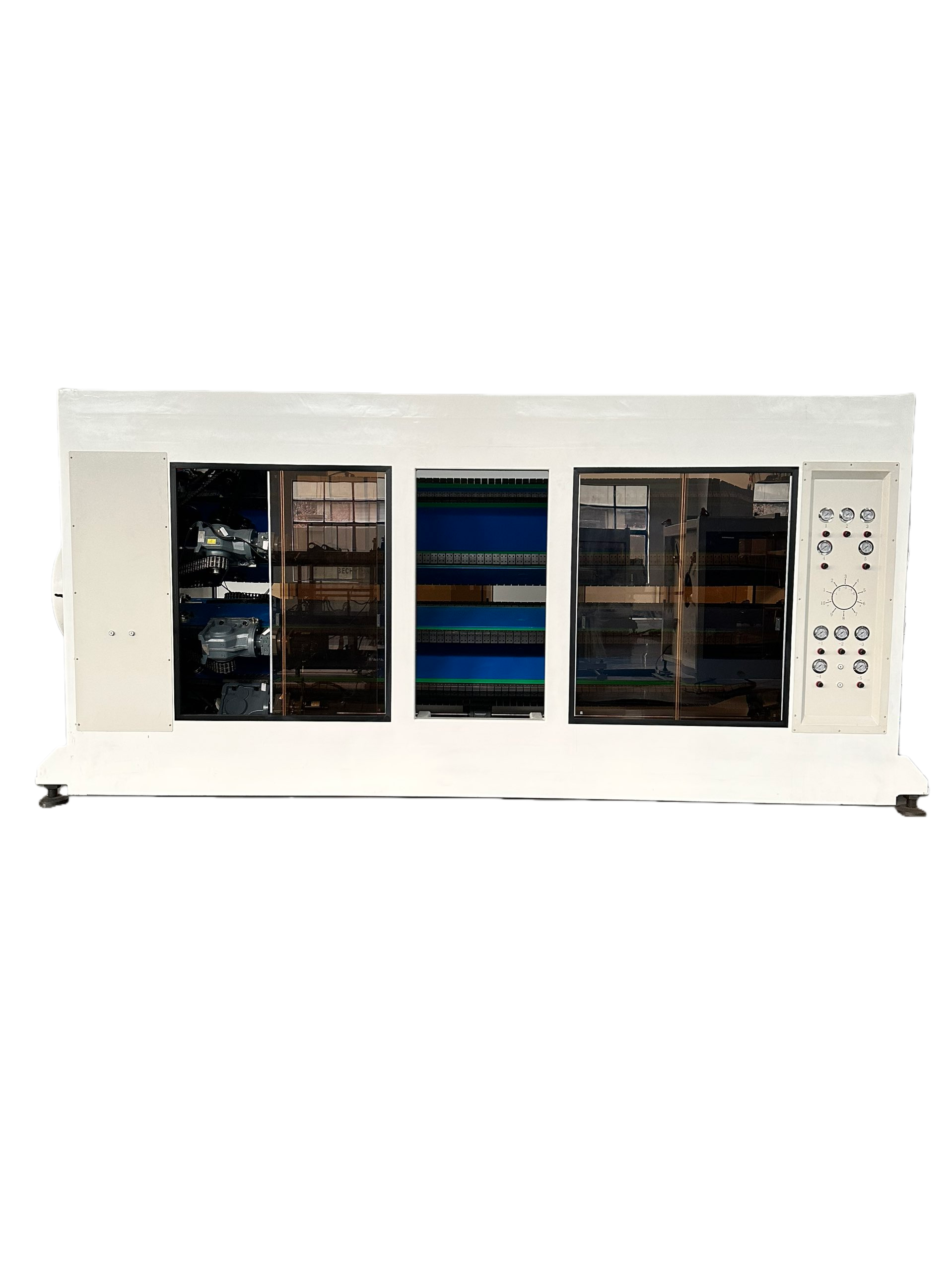
Superior Performance: How PVC-O Pipe Strength and Efficiency Redefine Standards
Molecular Biaxial Orientation: The Core Innovation Behind PVC-O Pipe Durability
Biaxial orientation technology fundamentally enhances PVC-O pipe performance by aligning polymer molecules radially and axially during extrusion. This molecular restructuring delivers a 26% higher tensile strength (31.5 MPa versus conventional PVC-U), as confirmed by independent testing aligned with ISO 16422-2 methodology (Ponemon 2023). The resulting layered microstructure significantly inhibits crack propagation—enabling up to 40% thinner walls while maintaining full pressure integrity. Five times greater impact resistance, even at subzero temperatures, makes PVC-O especially suited for harsh or seismically active environments, where controlled flexibility prevents brittle fracture during ground movement.
Hydrostatic Strength Gains: 45% Higher Pressure Rating vs. Conventional PVC-U (ISO 16422-2)
Certified to ISO 16422-2, PVC-O pipes sustain 45% higher operating pressures than equivalent-diameter PVC-U pipes. This leap arises from uniform molecular alignment, which eliminates internal stress concentrations and optimises material distribution. Thinner walls reduce raw material use by up to 50%, while smoother bore surfaces improve hydraulic efficiency—cutting pumping energy requirements by 20% (Bechton 2023). For municipal water networks, these advantages translate directly into extended service life (50+ years), lower leakage rates, and reduced total cost of ownership per linear meter.
Production Advantages: Inline PVC-O Pipe Extrusion vs. Traditional Batch Methods
Real-Time Orientation Control Enables Precision, Consistency, and Reduced Energy Use
Inline PVC-O extrusion integrates continuous molecular orientation directly into the production line—eliminating the post-extrusion heating, stretching, and cooling steps required in batch processing. Advanced sensors monitor radial expansion and axial draw ratios in real time, maintaining orientation tolerances within ±2% and dynamically compensating for resin variability. This closed-loop control ensures consistent wall thickness and structural homogeneity—critical for meeting ISO 16422-2 hydrostatic performance requirements. By avoiding repeated thermal cycling, the process reduces energy consumption by 18% and minimises thermal degradation, preserving material integrity across extended production runs.
Labor and Footprint Savings: Why Inline Systems Cut Setup Time by Up to 30%
Consolidating extrusion, orientation, and cooling into a single automated line shrinks factory footprint by 40% compared to traditional batch layouts. Programmable logic controllers support rapid product changeovers via preloaded recipes—removing manual recalibration and reducing setup time from hours to minutes. Automation cuts direct labor needs by 25% while boosting throughput. Integrated quality assurance systems perform real-time ultrasonic wall thickness scans, detecting deviations during production rather than after completion—ensuring compliance without sacrificing yield or speed.
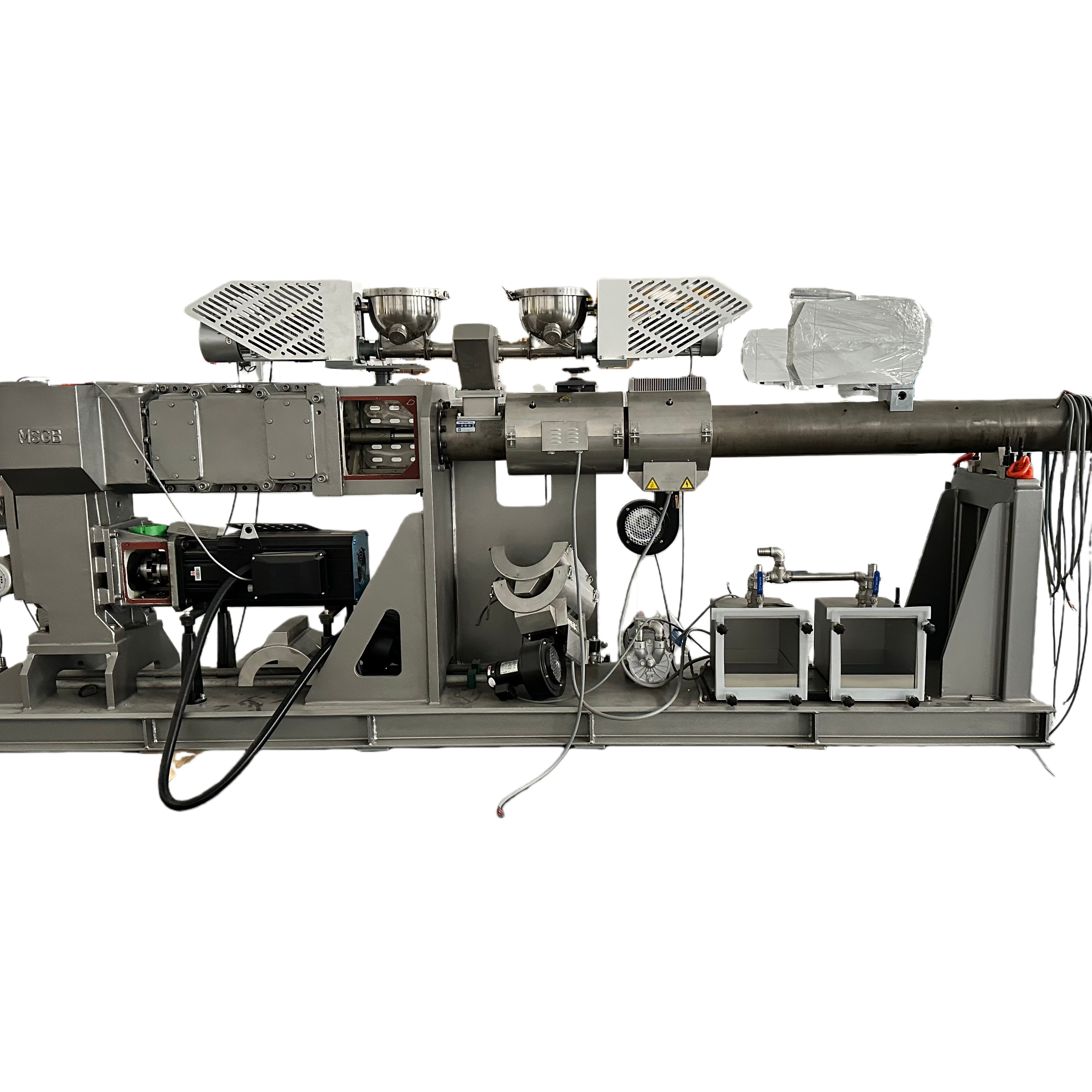
Tangible ROI: Cost Efficiency and Waste Reduction with PVC-O Pipe Extrusion Lines
22% Lower Scrap Rate Drives Yield Improvement (ASTM D2837 Field Survey, 2023)
Modern inline PVC-O extrusion lines reduce scrap rates by 22% compared to conventional systems, according to a 2023 ASTM D2837 field survey across 12 manufacturing facilities. This improvement stems from precise, automated control of wall thickness, melt temperature, and orientation parameters—minimising material inconsistencies and rework. Less scrap means more usable output per ton of resin, shifting resource allocation from reprocessing to value-added production and improving gross margin per production cycle.
Payback Timeline: Inline PVC-O Pipe Lines vs. Retrofitting Legacy Equipment
Although upfront investment in inline PVC-O extrusion is higher than retrofitting legacy equipment, operators achieve full financial payback within 6–8 years. This accelerated ROI is driven by three interlocking efficiencies: 50% reduction in raw material usage (via thinner-walled pipes), 18% lower energy consumption, and significantly reduced unplanned downtime. Lifecycle analyses project that utilities adopting PVC-O infrastructure will collectively save $2.8 billion by 2040. A comprehensive analysis of lifecycle savings details how operational savings consistently offset capital costs—making modern PVC-O extrusion a strategically sound, future-proof investment.