
 EN
EN



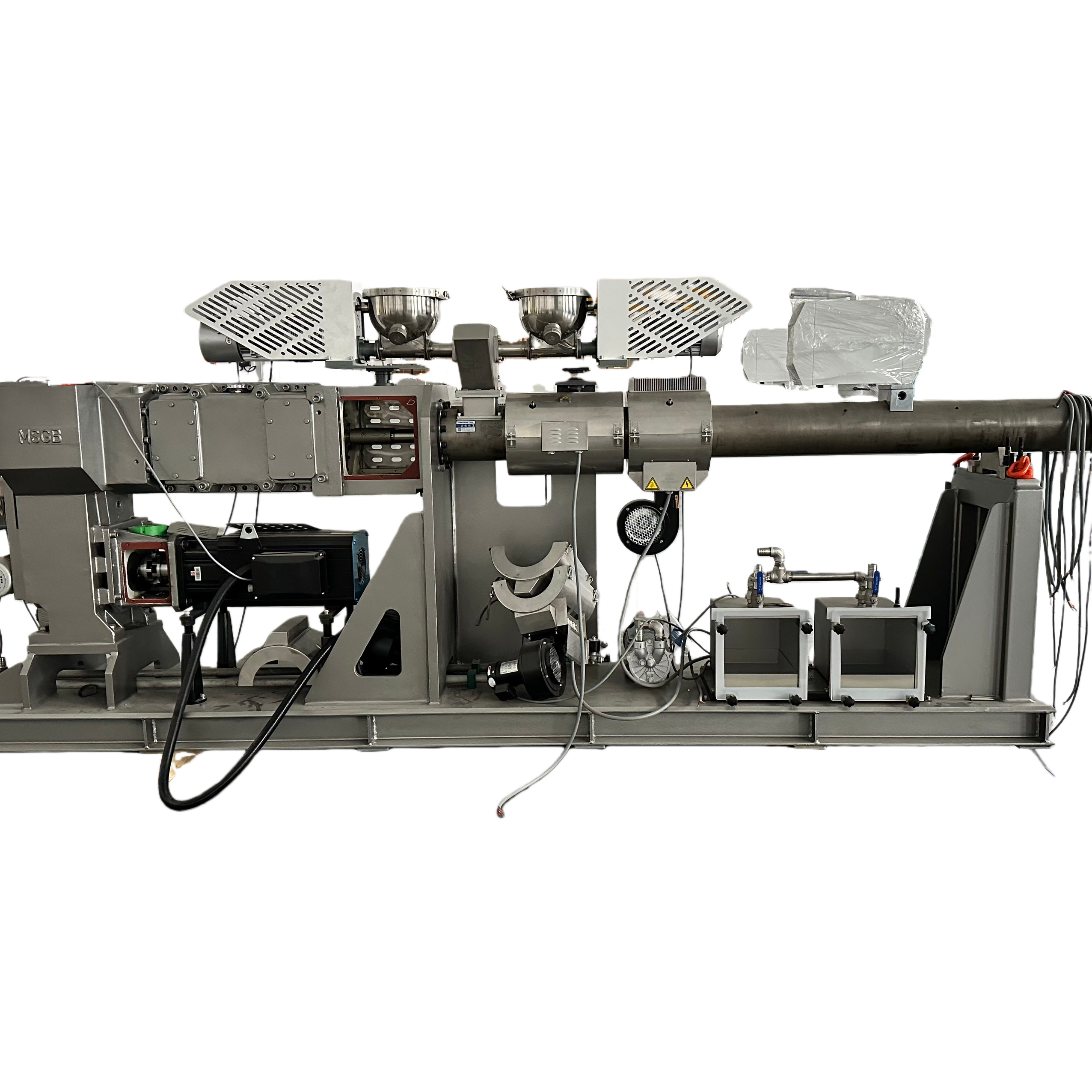
Superior PVC-O Pipe Performance Enabled by Precision Extrusion Technology
Biaxial Orientation Consistency: Impact Resistance and Pressure Rating Gains
Precision extrusion technology ensures uniform biaxial orientation of PVC-O (Biaxially Oriented Polyvinyl Chloride) pipe molecules, creating a reinforced network structure. This molecular alignment delivers 5× higher impact resistance than conventional PVC-U pipes—even at –20°C—and elevates pressure ratings by 26%, achieving tensile strengths of 31.5 MPa (Ponemon 2023). These gains stem directly from consistent radial and axial stretching, making PVC-O pipes especially suited for high-risk applications such as mining infrastructure and alpine water distribution systems.
Wall Thickness Reduction (Up to 40%) Without Structural Compromise
Advanced extrusion control enables wall thickness reductions of up to 40%, with no loss in pressure rating or long-term performance. Thinner-walled PVC-O pipes match or exceed the hydraulic capacity of thicker PVC-U alternatives while delivering two key operational benefits:
- 20% lighter weight, significantly easing transport, handling, and on-site installation
- Material savings of ~1.3 kg of polymer per meter, reducing raw material consumption and embodied carbon
This optimization is achieved through real-time monitoring and adjustment of orientation temperature and draw ratio—ensuring precise molecular alignment without over-engineering. The result is full compliance with ISO 16422 and a verified 50-year service life.
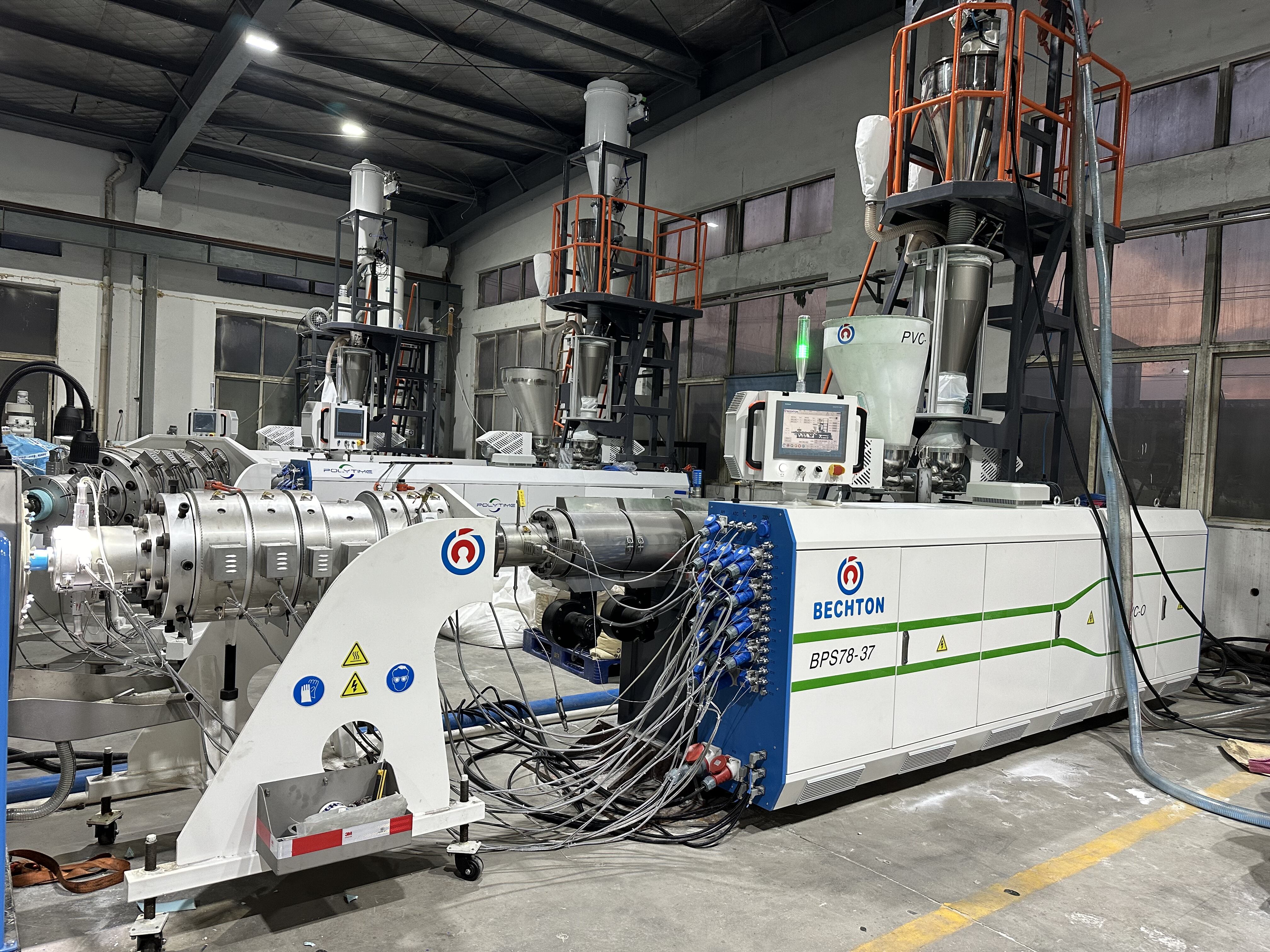
Smart Automation: Closed-Loop Control for Reliable, Repeatable PVC-O Pipe Production
PID-Controlled Orientation Temperature, Draw Ratio, and Cooling Rate
Modern PVC-O extrusion lines rely on closed-loop automation to deliver production consistency at scale. Proportional-Integral-Derivative (PID) controllers continuously monitor and adjust three critical process parameters:
- Orientation temperature, held within ±0.5°C
- Draw ratio, maintained to within 1% variance
- Cooling rate, calibrated to optimize crystalline development
By correcting deviations in real time, PID systems prevent thermal drift and internal stress during biaxial orientation—key drivers of inconsistent molecular alignment. Compared to open-loop setups, this approach reduces dimensional variability by up to 80%, directly improving pressure rating reliability and impact resistance across every pipe length. Crucially, it decouples output quality from operator skill level, cutting scrap rates and ensuring repeatability across shifts, batches, and facilities.