
 EN
EN



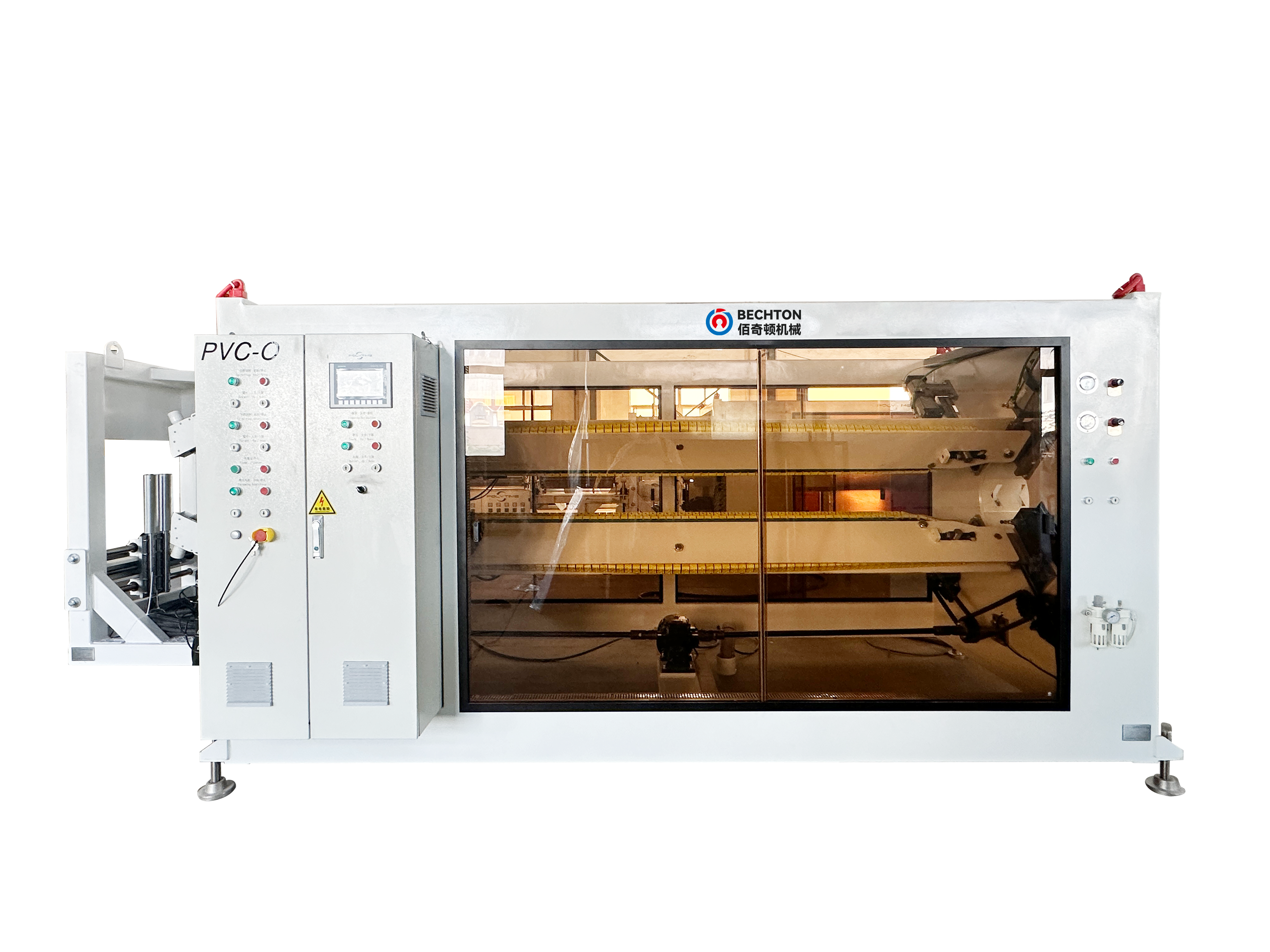
What Is PVC-O Pipe? Understanding the Molecular Orientation Process
PVC-O (Polyvinyl Chloride-Oriented) pipe represents a significant advancement in plastic piping technology. Unlike conventional PVC variants, it undergoes a proprietary biaxial orientation process that molecularly aligns polymer chains in both circumferential and longitudinal directions. This structural enhancement occurs after initial extrusion, where the pipe is expanded radially while simultaneously stretched axially under controlled temperature and pressure conditions.
How Biaxial Orientation Enhances Mechanical Properties
The orientation process fundamentally reorganizes PVC’s amorphous structure into a layered, cross-linked configuration. This transformation yields a 50% higher pressure rating compared to PVC-U pipes while maintaining equivalent dimensions—and achieves a rare balance: up to 10 times greater resistance to rapid crack propagation (per ISO 13477:2022) without sacrificing installation flexibility. The restructured polymer matrix also reduces material usage by 25–30% for equivalent pressure classes, directly lowering resource consumption and embodied carbon.
Comparison with Traditional PVC-U and PVC-M Pipes
While all three variants serve water infrastructure, PVC-O’s oriented structure delivers distinct performance advantages:
| Property | PVC-U | PVC-M | PVC-O |
|---|---|---|---|
| Tensile Strength | 50 MPa | 45 MPa | ≥90 MPa |
| Impact Resistance | Moderate | Enhanced (fiber-reinforced) | Highest (molecularly aligned) |
| Pressure Capacity | Baseline | 1.2× baseline | 1.5–2× baseline |
| Crack Propagation | High susceptibility | Moderate resistance | Minimal propagation |
This structural efficiency translates to longer service life with lower failure rates—critical for reducing water loss in distribution networks. Independent accelerated aging tests confirm PVC-O maintains 98% of its initial pressure capacity after 50 years (WRc 2023).
Key Performance Benefits of PVC-O Pipe
Higher Impact Resistance and Crack Propagation Resistance
PVC-O delivers unparalleled impact resistance—up to five times greater than standard PVC-U—even at subzero temperatures (–20°C). Its biaxially aligned molecular structure absorbs kinetic energy and actively halts crack propagation under external stress, significantly reducing failure risks during installation or ground movement. This resilience ensures structural integrity during seismic events or construction-related impacts, reinforcing its suitability for high-consequence infrastructure.
Improved Pressure Rating and Long-Term Hydrostatic Strength
Biaxial orientation increases hydrostatic strength by over 25% compared to PVC-U, enabling wall thickness reductions of up to 40% without compromising pressure capacity. This elevates pressure ratings—up to 25 bar—while cutting material use and weight. Long-term testing confirms consistent performance under sustained loads: PVC-O withstands 50+ years of continuous pressure in water networks, with superior fatigue resistance and minimal creep deformation under fluctuating pressures—making it ideal for municipal mains and industrial pumping systems.
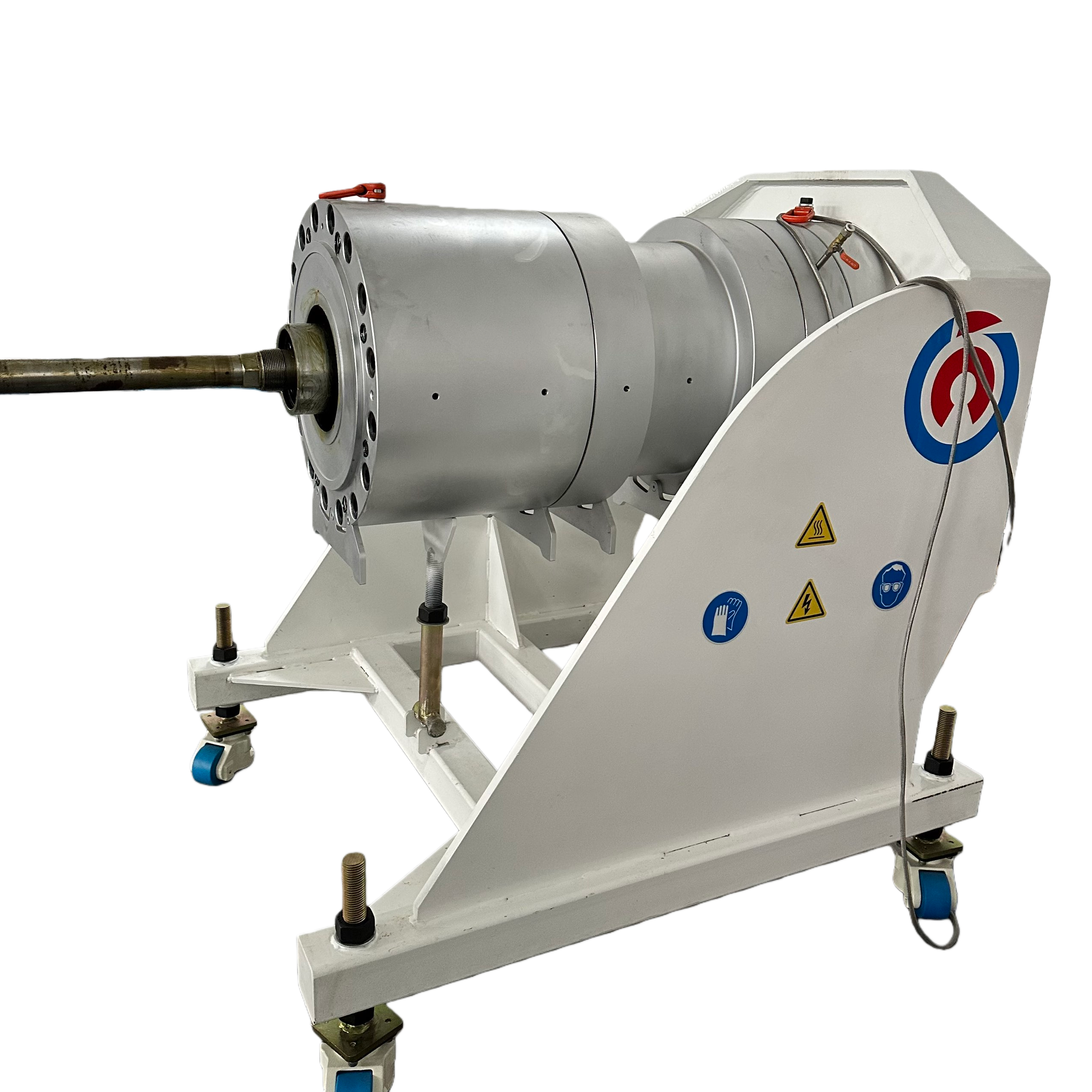
Primary Applications of PVC-O Pipe in Water Infrastructure
Potable Water Distribution Networks
PVC-O excels in municipal drinking water systems due to its corrosion resistance, smooth interior surface (C-value >150), and NSF/ANSI 61 certification for potable water safety. Its high-pressure rating and resistance to water hammer make it ideal for transmission mains and high-demand supply lines. Municipalities report up to 40% lower installation costs versus ductile iron—driven by lighter weight, faster push-fit or electrofusion jointing, and reduced labor requirements. Crucially, its molecular orientation inhibits biofilm adhesion, supporting long-term water quality and lowering maintenance frequency.
Rehabilitation Projects and Trenchless Installation Compatibility
For aging pipeline rehabilitation, PVC-O enables efficient trenchless methods including slip lining and pipe bursting. With tensile strength ≥90 MPa and strain capacity of 6–8%, it installs reliably through existing conduits—minimizing urban disruption and shortening project timelines by up to 60%. Its resistance to hydrogen sulfide corrosion further extends viability in sewer relining and pressure main upgrades. Joint-free continuous lengths (up to 200 m) eliminate common leakage points, delivering verified 99.9% leak-free performance per ISO 16422.
Sustainability and Lifecycle Advantages of PVC-O Pipe
PVC-O delivers measurable environmental and economic value across its lifecycle. Thinner walls—enabled by biaxial orientation—reduce raw material use by over 25% versus conventional pipes, lowering production emissions and conserving feedstock. Its ultra-smooth bore cuts pumping energy by up to 30%, significantly reducing operational carbon. With a validated service life exceeding 100 years, PVC-O minimizes replacement cycles, excavation waste, and associated lifecycle disruptions. At end-of-life, it is fully recyclable into new pipe products—supporting circular economy goals without downcycling. This integrated profile of resource efficiency, durability, and recyclability positions PVC-O as a future-proof solution for sustainable water infrastructure.