
 EN
EN



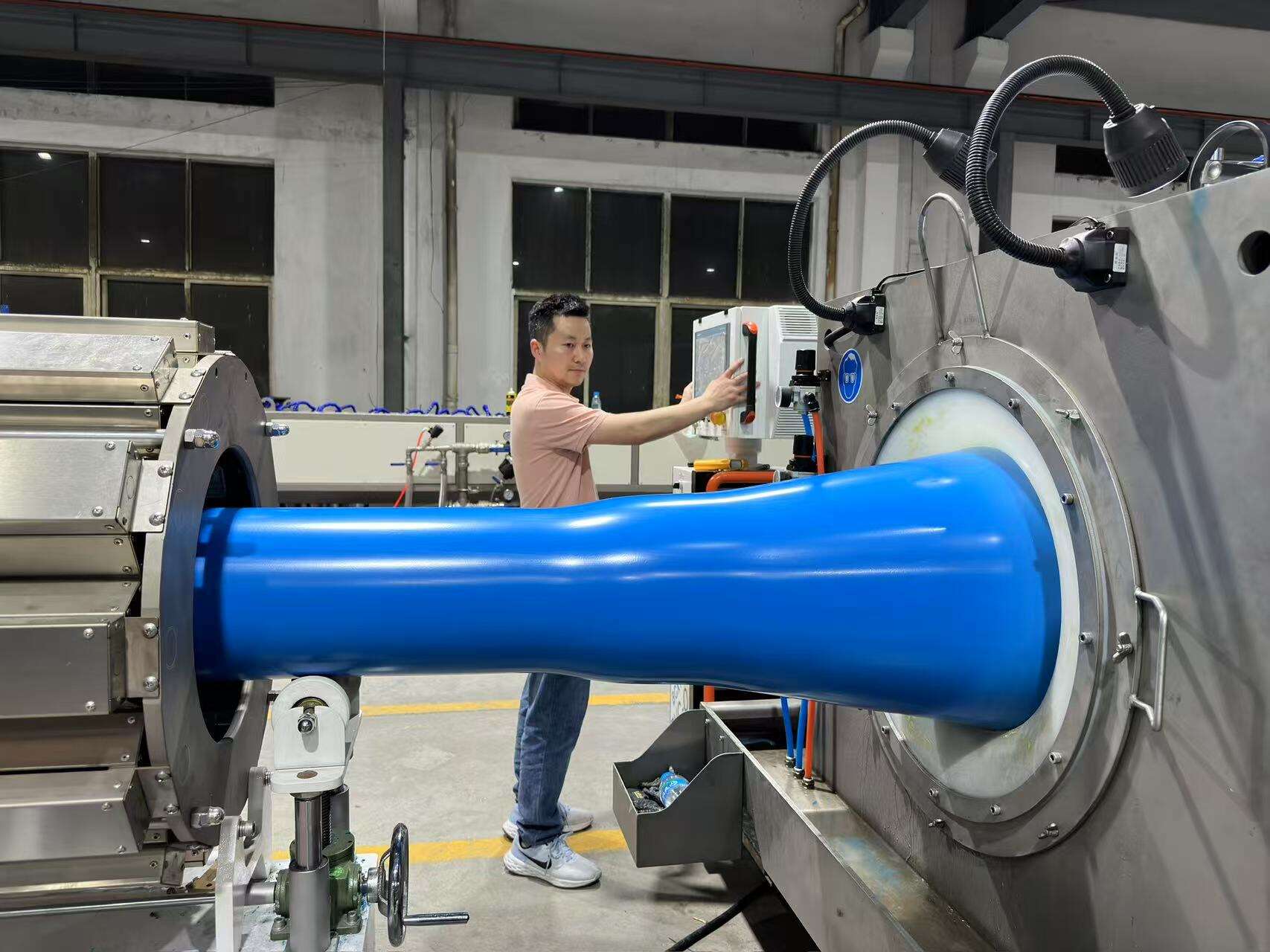
Why PVC-O Pipe Extrusion Line Is Critical for Modern Urban Water Resilience
Mitigating Aging Infrastructure Failures: Corrosion Resistance and Hydraulic Efficiency
Cities are losing around $740k every day when water mains break down, according to Ponemon Institute research from last year. Most of these problems come from old metal pipes that corrode over time, accounting for about three quarters of all system failures. That's where PVC-O pipes make a difference. These pipes get made using special extrusion techniques that align polymer molecules in both directions. This alignment creates a material that just doesn't corrode because it's chemically inert at its core. The manufacturing process actually makes the polymer chains stronger too, giving these pipes roughly 40 percent better tensile strength compared to regular PVC options on the market today. What does this mean practically? Well, the reinforced structure stands up much better against mineral deposits and those pesky biofilms that form inside pipes. As a result, water flows through these systems with nearly perfect efficiency for many years. Plus, the smooth interior surfaces cut down on pumping costs by about 15% compared to what happens with rusty metal pipes. And let's not forget safety standards either. All these pipes carry NSF/ANSI 61 certification, so they meet strict requirements for delivering clean, potable water to communities.
Withstanding Climate Stressors: Pressure Surge Absorption and Ground Movement Tolerance
Flooding caused by climate change, repeated freeze-thaw cycles, and unstable soils all put serious strain on our infrastructure. PVC-O pipes made through advanced extrusion processes have built-in flexibility that helps them handle sudden water pressure changes. Tests show these pipes can resist cracks 150% better than standard ones according to ASTM F1483 standards. When California faced major freeze-thaw problems in 2023, PVC-O installations survived at nearly three times the rate of traditional ductile iron pipes during ground shifts. The way these pipes are designed lets them bend about 3 degrees per meter without breaking joints, which makes them especially good for places prone to earthquakes, flood-prone areas, and regions where the ground is sinking faster than normal.
PVC-O Pipe Extrusion Line Advancements That Drive Sustainability
Material & Energy Savings: 35% Less PVC Resin and Industry 4.0–Optimized Thermal Control
The latest PVC-O extrusion technology makes sustainability easier because it uses materials better and controls processes smarter. When we talk about biaxial orientation, this actually makes PVC stronger in all directions. Because of this strength improvement, manufacturers need about 35 percent less resin for their products which cuts down on both carbon footprint and the amount of raw materials needed. The new Industry 4.0 systems come equipped with thermal sensors that work in real time along with those PLC feedback loops everyone talks about these days. These systems help fine tune how much heat gets applied during extrusion, bringing energy consumption down to around 100 watt hours per kilogram. Another big plus is inline stretching that replaces those old post extrusion treatments. This change alone saves roughly 18% in energy compared to what was done before. Plus automated systems keep things running tighter, meaning fewer mistakes and less waste overall. All these improvements make PVC-O pipes a great choice for creating water distribution systems across cities that produce less waste while still performing really well.
Ensuring Long-Term Durability Through Precision Biaxial Orientation
Real-Time Process Control: Achieving 320 MPa Burst Pressure via Consistent Molecular Alignment
When PVC preforms undergo biaxial orientation, they get stretched out in two directions at once - radially and axially - thanks to computer controlled tension systems. This process aligns the polymer chains into those neat layered crystal structures we all know and love. According to recent research from Material Science Bulletin (2023), this molecular rearrangement makes the material way tougher against impacts, boosting strength by around 250%, while also making it much less likely to crack, about 300% better than regular old PVC. Keeping that wall thickness within a tight range of plus or minus 0.2 mm during expansion at temperatures between 110 and 130 degrees Celsius is critical for getting even orientation throughout the material. The result? Burst pressures can reach an impressive 320 MPa, which beats standard PVC by about 30%. And when manufacturers rapidly cool these materials in their fancy cooling tunnels, dropping temps at rates between 30 and 40 degrees per minute, they lock in most of those structural improvements. Studies show this quick cooling retains roughly 98% of the strength gained through orientation.
Validated Longevity: ISO 16422 Accelerated Testing Confirming >50-Year Service Life
ISO 16422 accelerated aging protocols subject PVC-O pipes to extreme pressure cycling, temperature variation, and environmental stress—simulating 50+ years of buried service. Results confirm:
- Fatigue resistance 5–7 times greater than non-oriented PVC
- Stable pressure ratings after 50,000+ load cycles
- Less than 0.1% annual degradation in field conditions
This performance validates a >50-year service life—essential for urban infrastructure where replacement costs exceed $740,000 per kilometer (Ponemon 2023).
Enabling the Circular Economy in Urban Pipe Manufacturing
The PVC-O extrusion line tech is actually making real circular economy possible for water systems. What makes this stuff special is how evenly structured it is at a molecular level, which means old pipes can get turned back into brand new pressure rated ones without any drop in quality or needing to downgrade them. We're talking about keeping around 40% of used materials out of landfills according to Circular Plastics Alliance data from last year. When companies recycle PVC-O instead of using fresh resin, they save almost 57% on energy costs and cut carbon emissions by roughly 2.1 tons for every kilometer of pipe installed. Cities are starting to set up these manufacturing centers where they combine automatic extrusion machines with smart AI systems that sort through materials. These setups handle consumer grade PVC-O right there locally, creating supply chains that produce zero waste while transforming old pipes into valuable raw materials again.
Frequently Asked Questions
What is PVC-O and why is it used in modern water infrastructure?
PVC-O refers to oriented polyvinyl chloride, a type of pipe material known for its excellent corrosion resistance, high tensile strength, and long service life. It is used in water infrastructure because it greatly reduces the failures associated with old metal pipes.
How does PVC-O compare to traditional piping materials?
PVC-O pipes are less prone to corrosion, have higher tensile strength, and can absorb ground movements better than traditional materials like ductile iron or metal pipes. They are also more energy-efficient, reducing pumping costs and lowering carbon footprints.
What sustainability benefits do PVC-O pipes offer?
These pipes use about 35% less PVC resin due to biaxial orientation, which increases material strength. Additionally, recycling PVC-O pipes can keep materials out of landfills and substantially reduce energy costs and carbon emissions.
Can PVC-O pipes withstand natural disasters?
Yes, PVC-O pipes are designed to withstand pressures from natural disasters like floods and earthquakes. Their flexibility and pressure resistance make them suitable for areas susceptible to environmental stressors.
Are PVC-O pipes cost-effective in the long run?
Although the initial cost might be higher, their durability, lower maintenance costs, and extended service life make PVC-O pipes a cost-effective solution for long-term urban water resilience.