
 EN
EN



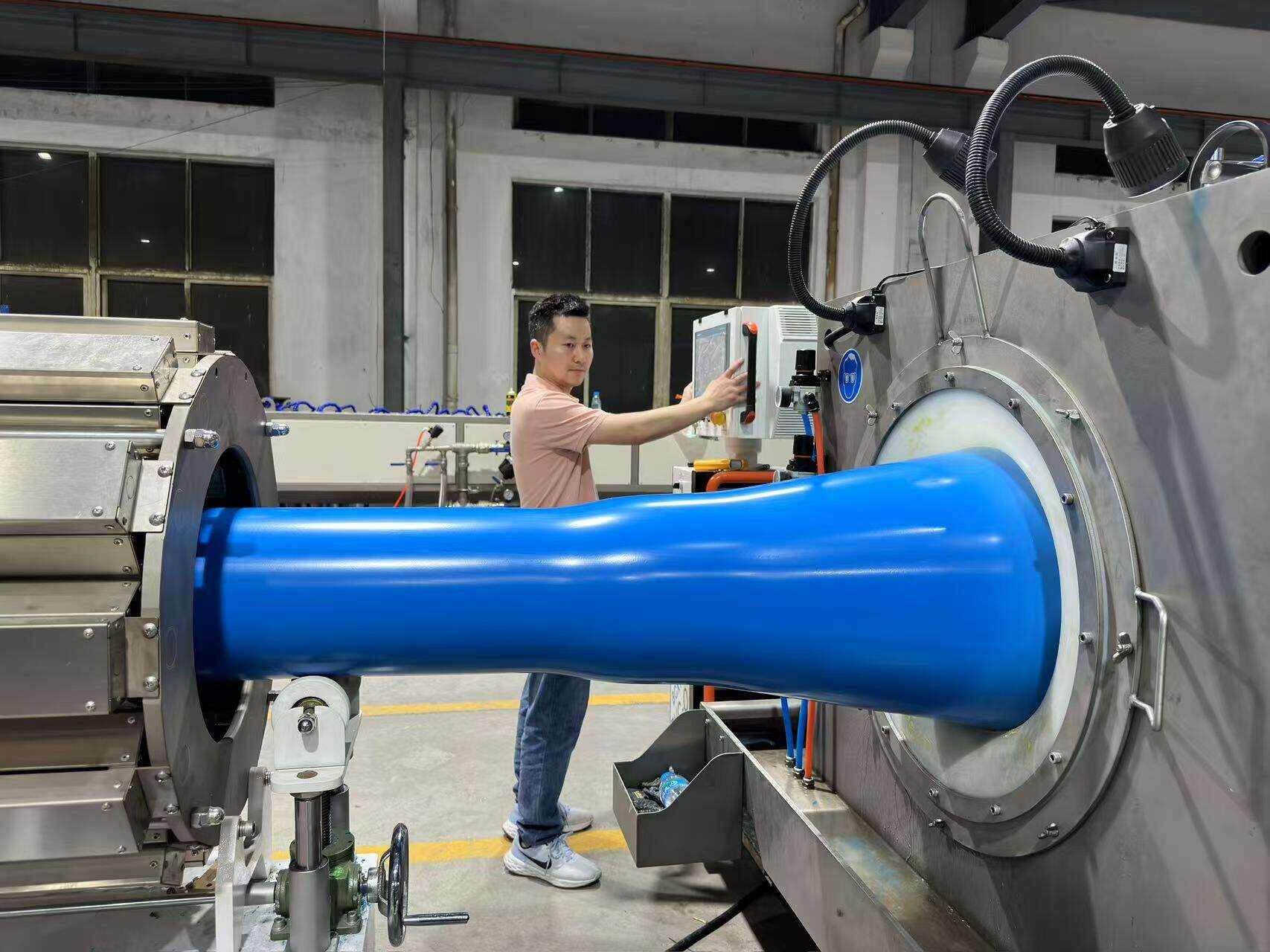
Understanding PVC-O Technology and the Evolution of PVC-O Pipe Extrusion Line Systems
The Science Behind PVC-O Technology Benefits: Molecular Orientation Explained
PVC-O pipes get their extra strength from how molecules line up during this special biaxial orientation process. When manufacturers stretch the material both ways at once, those long polymer chains actually rearrange themselves into these neat concentric layers. The result? These pipes can handle impacts about half again as much as regular PVC ones. What makes this really interesting is that the manufacturing technique changes those random amorphous structures into something much more organized. This means engineers can design pipes with thinner walls while still meeting all the same pressure requirements. According to research published by Material Science Institute last year, this advancement has already started changing how we think about pipe specifications in various industries.
How the Extrusion Process for PVC Pipes Transformed with PVC-O Innovation
Modern PVCO pipe extrusion lines integrate sequential stretching stages directly into production flows, eliminating post-manufacturing treatments. Advanced inline processes reduce energy consumption by 18% compared to legacy batch methods while maintaining orientation precision (±2% tolerance). These systems now achieve production speeds of 1.2 m/s—three times faster than first-generation PVC-O equipment.
From Standard PVC to Biaxial Oriented PVC (PVC-O): A Leap in Material Efficiency
Switching to biaxially oriented PVC means using about 30% less raw material and getting twice as long before replacement becomes necessary. The thinner walls these pipes have, ranging from 1.8 to 2.4 millimeters compared to the old standard of around 3.4 mm, actually saves roughly 680 tons of plastic waste each year on a single production line. According to recent findings in polymer engineering circles from late 2025, even though they contain less material overall, PVCO pipes still hold up under 25 bar pressure requirements. This makes them particularly attractive for water infrastructure work where both durability and environmental concerns are becoming increasingly important factors for decision makers.
Controversy Analysis: Is Full-Line Replacement Always Better Than Equipment Retrofitting?
New PVCO pipe extrusion lines can boost production by around 40%, which makes them attractive options for many manufacturers. On the other hand, adding orientation modules to existing PVC lines reduces upfront expenses by roughly 60%. But there's a catch worth considering. Studies indicate that these hybrid setups only reach about 78% efficiency compared to brand new systems, leading to some serious discussions about return on investment for companies who recently invested in traditional PVC equipment. For those running large scale operations though, the energy savings generated by newer lines generally pay back the initial investment within five years or so, making them particularly appealing in facilities where output volumes remain consistently high.
Energy Efficiency and Automation Advancements in Modern PVCO Pipe Extrusion Line Operations
Measuring Energy Savings in Modern PVC-O Extrusion Lines vs. Conventional Systems
Industry studies show that modern PVC-O pipe extrusion lines can slash energy use by around 35% when compared to older equipment. The secret lies in better screw configurations paired with heat recovery systems that make thermal management much more efficient. Plus, those new servo motors really make a difference too cutting down on drive energy consumption somewhere between 40 to 50 Wh per kg during regular running conditions. All these upgrades are happening just as countries around the world keep raising their bars for energy efficiency in plastic manufacturing processes. Manufacturers who adopt these technologies not only save money but also stay ahead of regulatory requirements that continue to evolve rapidly.
Role of Automation Control in Reducing Power Consumption During Extrusion
Automation systems with PLCs and variable frequency drives (VFDs) dynamically adjust motor speeds to match real-time production demands, eliminating energy waste during low-output periods. Integrated process controls maintain optimal melt temperatures with ±1°C precision, reducing heat-related energy spikes by 22% compared to manual operation.
Case Study: Energy Use Reduction by 30% After Upgrading to a High-Output PVC-O Pipe Extrusion Line
One European pipe maker cut their yearly energy bills by almost a third after swapping out three old extrusion machines for just one modern PVC-O system. This switch knocked down carbon dioxide emissions by around 580 tons each year thanks to lower electricity consumption and better temperature control during processing. Looking at how these changes worked out, companies considering similar upgrades can expect to recoup their investment within three years or so if they take advantage of available energy incentives and also see improvements in product output rates. The numbers tell a pretty compelling story for manufacturers thinking about making the jump to more efficient production methods.
Sustainability Gains: Lower Carbon Footprint and Reduced Material Use with PVC-O Pipes
Environmental Benefits of PVC-O Pipes: Less Raw Material, Same Performance
PVC-O pipes cut down on raw materials by about half when compared to regular PVC pipes, yet still hold up under similar pressure conditions. This comes from how the molecules line up during manufacturing, which actually makes the plastic stronger overall. According to some research published last year looking at new developments in plastics technology, companies that switch to making these oriented PVC pipes can get nearly twice as much product from each ton of resin they process. That kind of improvement really helps tackle problems around limited resources without sacrificing quality standards in piping systems.
How Thinner Walls from Biaxial Orientation Reduce Plastic Waste and Emissions
The biaxial stretching process creates wall thicknesses 40% thinner than conventional PVC pipes, slashing production waste by 22% annually for mid-sized facilities. Crucially, these lightweight designs cut transportation-related CO₂ emissions by 30% per kilometer shipped, as demonstrated in a lifecycle analysis of European water projects.
Lifecycle Assessment: PVC-O vs. Metal and Polyolefin Pipes in Sustainability Metrics
Peer-reviewed comparisons show PVC-O pipes outpace alternatives across three key metrics:
| Material | Carbon Footprint (kg CO₂/km) | Recyclability Rate | Service Life (Years) |
|---|---|---|---|
| PVC-O | 1,450 | 94% | 100+ |
| Ductile Iron | 2,200 | 68% | 50–75 |
| HDPE | 1,800 | 82% | 50–80 |
This durability-performance synergy enables municipalities to meet SDG 6 (Clean Water) targets with 35% fewer pipe replacements over century-spanning infrastructure cycles.
Mechanical Superiority and Market Demand Driving Adoption of PVC-O Pipes
Superior Impact Resistance and Crack Propagation Resistance in Oriented PVC
PVC-O pipes can take about twice as much impact as regular PVC-U pipes because of how they're made. During production, the molecules get aligned both around the pipe and along its length, kind of like wrapping something tightly in plastic. This creates what researchers call a "shrink-wrap" effect. Studies published in the Journal of Advanced Polymers back this up, showing cracks spread 60% slower in these pipes. For engineers working on roads and underground systems, this means PVC-O can handle earth movement and truck traffic without breaking down over time. The structural strength remains intact even under tough conditions.
Low Creep and Long-Term Durability: Why Infrastructure Projects Prefer PVC-O
Municipal water systems report 40% lower maintenance costs over 25-year cycles when using PVC-O pipes compared to metal alternatives. The material’s creep resistance—70% lower than polyethylene pipes—prevents deformation under sustained pressure. A 2023 lifecycle assessment found PVC-O systems maintained 98% pressure rating after five decades in buried applications.
Comparative Analysis: Mechanical Properties of PVC-O Pipes vs. Other Plastic Pipes
| Property | PVC-O | HDPE | PVC-U |
|---|---|---|---|
| Tensile Strength (MPa) | 55–75 | 20–30 | 40–50 |
| Impact Resistance (J) | 100–120 | 30–50 | 50–70 |
| Pressure Rating (bar) | 25 | 12 | 16 |
Industry Paradox: Higher Initial Cost vs. Lifetime Performance Ratio of PVC-O
While PVCO pipe extrusion lines require 25% higher capital investment than traditional systems, operators achieve ROI within 6–8 years through reduced material usage (50% thinner walls) and energy savings. The Global Water Infrastructure Report projects $2.8B in lifecycle cost savings for utilities adopting PVC-O pipes through 2040, despite 18% higher upfront material costs.
Rising Adoption of PVC-O Pipes in Water Infrastructure Across Asia and Europe
PVC-O pipes are becoming the go-to choice across Asia's farming communities, with around two thirds of all new irrigation systems incorporating them because they resist corrosion and save money in the long run. Meanwhile over in Europe, about half of municipal water system upgrades involve these same pipes too. Why the difference? Well, Asian countries tend to focus on how easy these pipes are to install when dealing with frequent flooding issues. European engineers meanwhile see something else in PVC-O - its ability to handle high pressure makes sense for those massive pipeline networks that need to last generations. The material just fits different needs depending on where it's being used.
Regulatory Push for Sustainable Materials Fuels Growth in PVC-O Production
The European Union has set pretty strict sustainability rules that call for at least 40% recycled materials in all plastic water systems by the end of this decade. This regulation is already creating a surge in demand for those energy saving PVCO pipe extrusion machines. Meanwhile over in India, their big water project called Jal Jeevan Mission is putting aside around 50 billion dollars to get PVC-O pipes installed in rural areas before 2025 comes around. According to last year's Plastic Infrastructure Report, switching from regular PVC to these oriented versions cuts down on overall emissions by about 22% throughout the product's entire life cycle. Makes sense really, since oriented PVC just works better structurally while using less material overall.
Market Forecast: Projected CAGR of 6.8% for Global PVC-O Pipes by 2030
Market projections indicate that the PVCO pipe extrusion line sector could hit around $3.2 billion by 2030. This forecast comes as wastewater treatment facilities expand across Southeast Asia while North American cities invest approximately $120 billion into replacing aging pipes. These days, most factories installing new equipment are going with advanced extrusion systems that boost production speed by roughly 35%. About 78 percent of recent installations have adopted these newer technologies, showing how manufacturers are keeping pace with growing orders. Experts in the field point to PVC-O material as a major factor behind this trend. It manages to satisfy strict mechanical requirements while also complying with increasingly stringent environmental regulations, making it an attractive option for companies looking to balance performance with sustainability concerns.
| Market Driver | Impact on PVCO Adoption |
|---|---|
| EU Circular Economy Package | 27% YOY growth in Europe |
| Asian Agricultural Expansion | 41% irrigation pipe share |
| North American Pipe Replacements | $800M projected orders by 2026 |
FAQ Section
What is PVC-O technology?
PVC-O, or biaxially oriented PVC, involves a unique molecular orientation process that increases the strength and durability of PVC pipes.
How does PVC-O improve the extrusion process?
The incorporation of sequential stretching stages into production flows reduces energy consumption and enhances production speed while maintaining precision.
What are the environmental benefits of PVC-O pipes?
PVC-O pipes use less raw material, resulting in lower carbon emissions and reduced plastic waste, while maintaining strong performance.
What are the mechanical benefits of using PVC-O pipes?
PVC-O pipes have superior impact and crack resistance, low creep rates, and high tensile strength, making them ideal for infrastructure projects.
Why is there a shift towards PVC-O pipes globally?
PVC-O pipes are gaining popularity due to their strength, environmental benefits, and compatibility with regulatory sustainability goals.
Table of Contents
-
Understanding PVC-O Technology and the Evolution of PVC-O Pipe Extrusion Line Systems
- The Science Behind PVC-O Technology Benefits: Molecular Orientation Explained
- How the Extrusion Process for PVC Pipes Transformed with PVC-O Innovation
- From Standard PVC to Biaxial Oriented PVC (PVC-O): A Leap in Material Efficiency
- Controversy Analysis: Is Full-Line Replacement Always Better Than Equipment Retrofitting?
- Energy Efficiency and Automation Advancements in Modern PVCO Pipe Extrusion Line Operations
- Sustainability Gains: Lower Carbon Footprint and Reduced Material Use with PVC-O Pipes
-
Mechanical Superiority and Market Demand Driving Adoption of PVC-O Pipes
- Superior Impact Resistance and Crack Propagation Resistance in Oriented PVC
- Low Creep and Long-Term Durability: Why Infrastructure Projects Prefer PVC-O
- Comparative Analysis: Mechanical Properties of PVC-O Pipes vs. Other Plastic Pipes
- Industry Paradox: Higher Initial Cost vs. Lifetime Performance Ratio of PVC-O
- Rising Adoption of PVC-O Pipes in Water Infrastructure Across Asia and Europe
- Regulatory Push for Sustainable Materials Fuels Growth in PVC-O Production
- Market Forecast: Projected CAGR of 6.8% for Global PVC-O Pipes by 2030
- FAQ Section