
 EN
EN



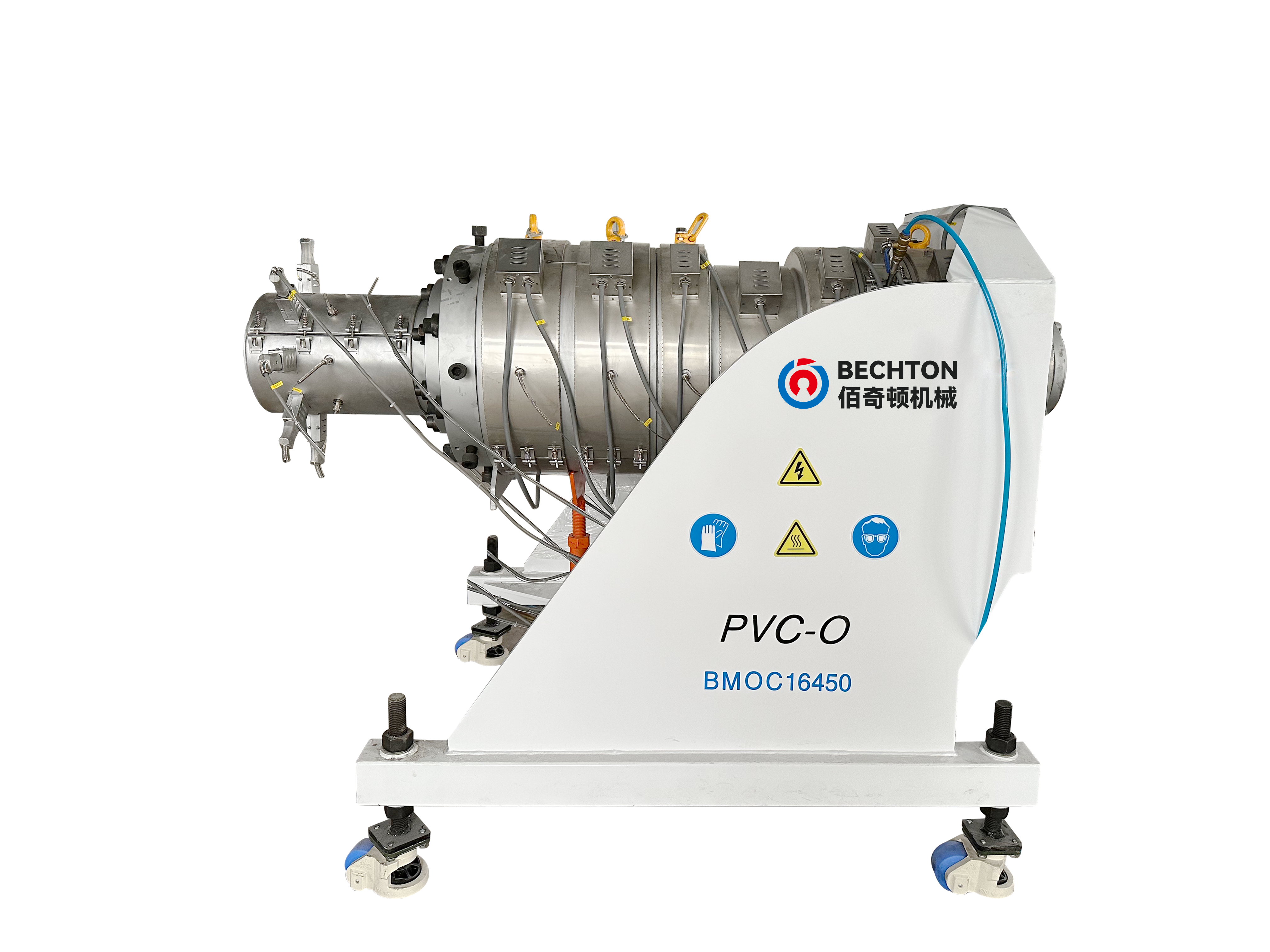
Unmatched Technical Performance of PVC-O Pipe
How Molecular Orientation Doubles Hydrostatic Strength vs. uPVC
The defining innovation behind PVC-O pipe is its biaxial orientation process: standard uPVC is precisely stretched in both axial and radial directions during manufacturing. This reorganizes the polymer chains into a highly ordered, layered structure—transforming a relatively brittle material into one with exceptional tensile and hydrostatic strength. As verified by ISO 16422, this molecular alignment delivers approximately double the hydrostatic strength of conventional uPVC. The result is a pipe that maintains equivalent or higher pressure ratings with up to 40% thinner walls—reducing raw material use without compromising performance.
Superior Impact Resistance and Crack Propagation Control
PVC-O’s oriented structure also delivers outstanding dynamic resilience. Independent testing shows it withstands physical impacts up to five times better than uPVC—even at low temperatures down to –20°C. More critically, the aligned molecular layers alter failure mechanics: under point stress, they create energy-dissipating pathways that slow crack propagation by over 300% compared to uPVC (ISO 16604). This intrinsic crack-arresting behavior makes PVC-O uniquely resistant to progressive failures caused by pressure surges, ground settlement, or mechanical damage—common weak points in traditional plastic and metallic systems.
Extended Service Life: 100+ Years of Reliable PVC-O Pipe Performance
Stability Under Real-World Stresses: Soil Load, UV, and Hydraulic Cycling
PVC-O’s biaxially oriented structure ensures long-term stability across demanding service conditions. When buried, it resists soil loads exceeding 60 kN/m² without deformation—surpassing ductile iron in stiffness-to-weight ratio. Its UV-stabilized formulation prevents photo-oxidative degradation, maintaining integrity after 50+ years of direct exposure. In hydraulic cycling tests, PVC-O endures over 10 million pressure cycles without fatigue failure—outperforming HDPE by 15× in accelerated aging simulations. These attributes reflect not just short-term robustness, but predictable, low-degradation behavior over decades.
ISO-Verified Stress Crack Resistance and Crystallinity Retention
Accelerated strain corrosion testing per ISO 16604 confirms PVC-O retains >95% of its initial tensile strength after 100-year equivalent aging. Differential scanning calorimetry (DSC) shows crystallinity retention exceeds 80% at the 50-year mark—key to dimensional stability. Under sustained pressure (160 psi), creep deformation remains below 0.2%, supporting certified 100-year design life for potable water infrastructure.
Leak Reduction and Water Conservation with PVC-O Pipe Joints
Near-Zero Leakage: Fusion-Welded and Gasket Joint Performance at 1.5× Operating Pressure
Leakage prevention begins at the joint—and PVC-O leverages two complementary, field-proven solutions. Fusion-welded joints create seamless, monolithic connections capable of withstanding pressures 1.5× above maximum operating requirements. Precision-molded elastomeric gaskets, designed specifically for PVC-O’s dimensional consistency and modulus, maintain seal integrity through hydraulic transients and minor ground movement. Together, these technologies eliminate the most common leakage pathways—joint seepage, gasket extrusion, and pull-out—without relying on complex installation procedures.
Proven NRW Reduction: 30–45% Lower Non-Revenue Water in Global PVC-O Deployments
Real-world deployments consistently demonstrate PVC-O’s impact on water loss. Municipalities across climate zones—from arid urban networks to seismically active regions—report 30–45% reductions in non-revenue water (NRW) following PVC-O installation. As documented by the American Water Works Association (2023), these gains stem from PVC-O’s dual advantage: molecular stability prevents slow seepage, while crack-arresting toughness eliminates sudden breaks common in aging metallic pipes. The outcome is measurable conservation, deferred capital replacement, and improved system reliability.
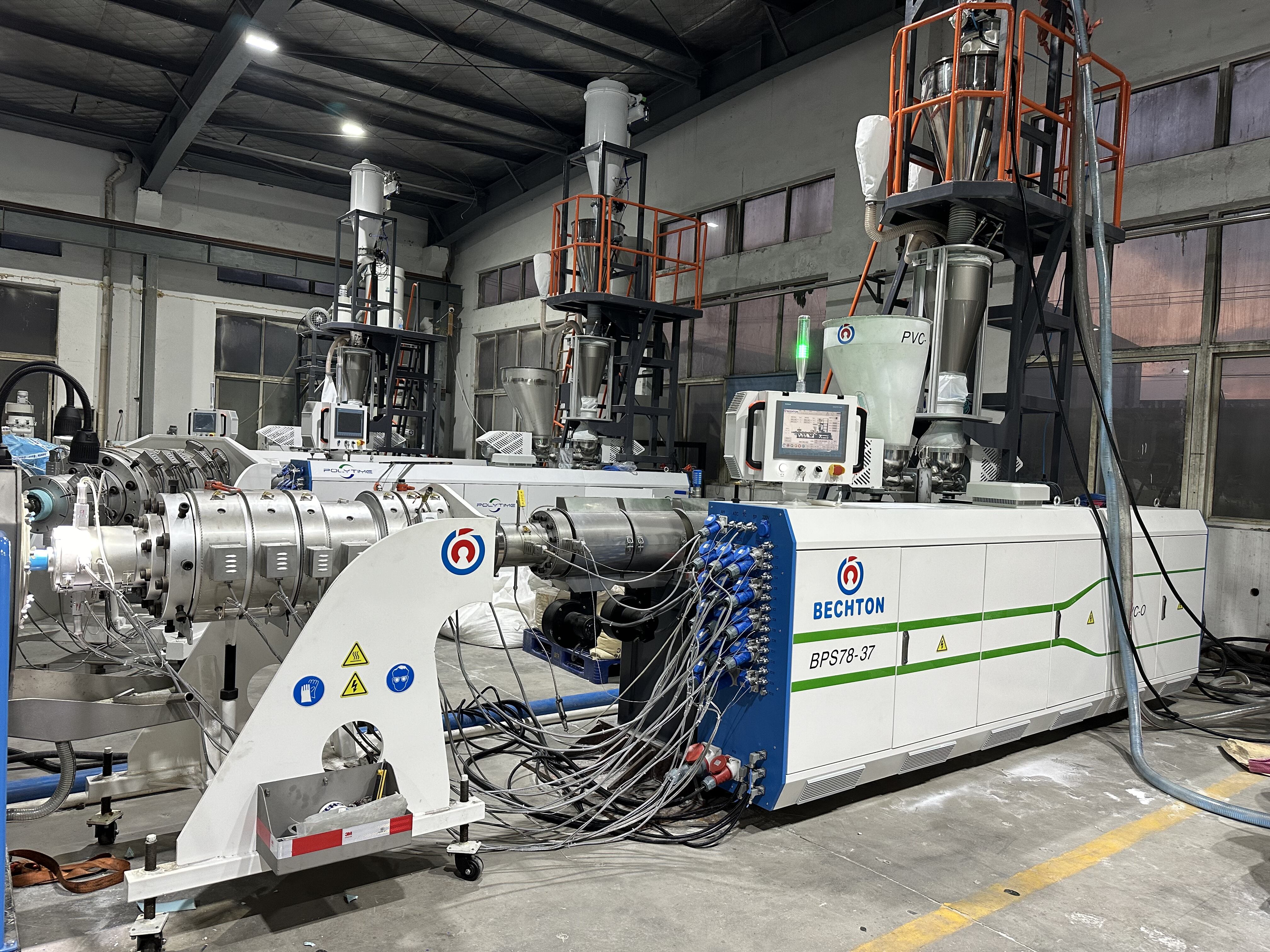
Certified Safety and Global Regulatory Acceptance of PVC-O Pipe
PVC-O pipe meets the highest international standards for safety and performance in potable water applications. It is certified to NSF/ANSI 61 for drinking water contact—ensuring no harmful leaching—and conforms to ISO 16422 (material specification) and ISO 16604 (stress crack resistance). Regulatory acceptance spans major markets: WRAS approval in the UK, UPC compliance in North America, and adherence to ASTM D2241 and D3035 standards. This globally harmonized certification framework reflects rigorous third-party validation—not just for mechanical performance, but for long-term health safety, environmental compatibility, and infrastructure resilience.
FAQ
What makes PVC-O pipe stronger than uPVC?
PVC-O pipe undergoes a biaxial orientation process during manufacturing, reorganizing the polymer chains into a highly ordered structure. This results in double the hydrostatic strength of uPVC with thinner walls.
How does PVC-O perform in extreme environments?
PVC-O demonstrates exceptional impact resistance and crack propagation control, performing effectively at temperatures as low as –20°C and under significant soil loads and hydraulic cycles.
What is the lifespan of PVC-O pipes?
PVC-O pipes are designed to last over 100 years, maintaining tensile and dimensional stability even after decades of use under real-world stresses.
Do PVC-O pipe joints prevent leaks?
Yes, PVC-O pipe joints, including fusion-welded and gasket-sealed options, prevent leakage by maintaining integrity even under pressure and during ground shifts.
Are PVC-O pipes safe for drinking water?
Absolutely, PVC-O pipes are certified for potable water use under standards like NSF/ANSI 61, ISO 16422, and others, ensuring no harmful material leaching.