
 EN




What regular after sales inspection service does pvc-o pipe extrusion line manufacturer provide
A regular inspection should give a pipe producer more than a list of parts to check. It should connect operating records, equipment condition and finished-pipe measurements to a clear follow-up plan. For a plant manager evaluating a pvc-o pipe extrusion line manufacturer, the useful question is not simply whether service is mentioned, but which checks are included, who carries them out and what happens when an abnormal condition is found.
Service arrangements differ by supplier, equipment configuration and contract. The checks below are practical topics to discuss, not a claim that every item is included by BECHTON or any other supplier. Agree the actual scope, timing, fees and responsibilities in writing before relying on it.
What should a regular inspection cover?
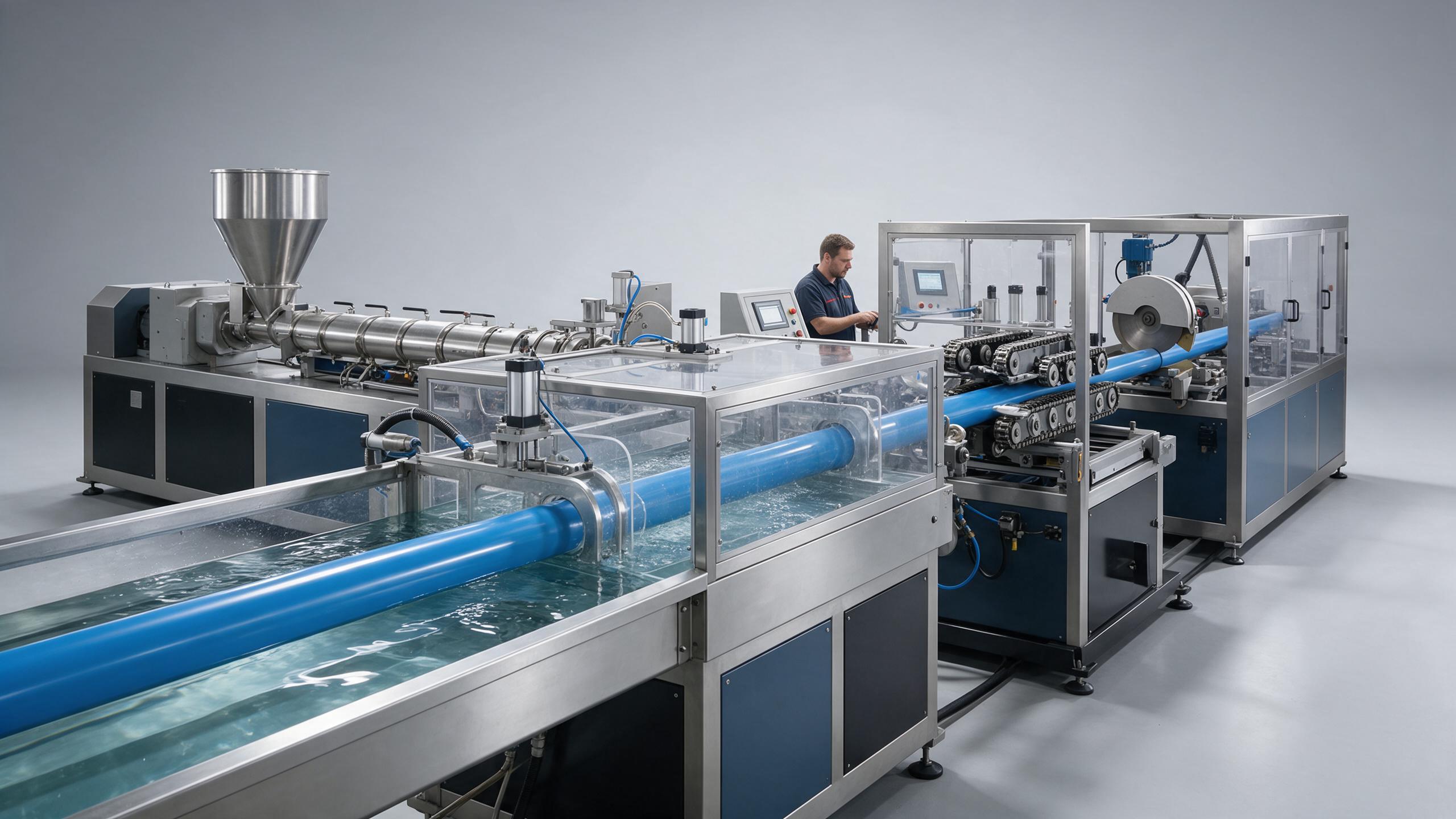
Start with a review of the whole line rather than a single component. A pvc-o pipe extrusion line manufacturer may propose a combination of remote record review and on-site inspection, depending on the agreement. The plant team can help by making operating logs, alarm histories, maintenance records and pipe inspection results available beforehand.
- Extrusion section: review recorded temperatures, pressure readings, drive behavior and material feed. Compare observations with the equipment manual and the line's own accepted operating conditions.
- Forming and orientation: examine relevant heating, cooling and orientation equipment for the installed process. Ask how sensors, controls and downstream settings are checked together when dimensions or product quality drift.
- Downstream equipment: inspect cooling and water circuits, haul-off equipment, cutting units and measurement devices as applicable. Look for leaks, wear, alignment issues and abnormal operation.
- Controls and safeguards: review alarm records, accessible connections and the condition of protective devices. Functional tests should follow the equipment instructions and site safety procedures.
The inspection list must fit the actual line. An observation at the cutter, for example, does not by itself establish that the cutter caused a dimensional problem upstream. Ask the technician to record the symptom, operating conditions and evidence before recommending adjustments.
How are pipe quality and process records reviewed?
Pipe dimensions, appearance and production logs can help a pvc-o pipe extrusion line manufacturer and the plant team decide where further investigation is needed. Compare observations with the approved product specification and records from comparable material, pipe size and operating conditions. A change of formulation or production speed may make a direct comparison misleading.
Extrusion monitoring commonly includes process readings such as melt temperature and pressure as well as product measurements. For PVC-O, ask how the inspection connects extrusion conditions with the installed orientation stage and subsequent checks. The line's manual, measuring equipment instructions and agreed acceptance criteria remain the relevant references for the particular installation.
If readings fall outside the plant's accepted range, document the date, material batch, pipe specification, alarms and sample results. The inspection report should distinguish a measured deviation from a possible cause. Changes to settings should be made only by authorized personnel under the documented procedure; an inspection checklist is not a substitute for engineering instructions.
What happens during a safety and maintenance review?
Before intrusive work, agree who isolates each energy source and verifies the safe condition of the equipment. Electrical, pneumatic, hydraulic, thermal and stored mechanical energy can require different controls. The plant and the pvc-o pipe extrusion line manufacturer should agree site access, permits and responsibilities before a visit.
For example, US OSHA regulation 29 CFR 1910.147 addresses hazardous energy control during servicing where unexpected energization, startup or stored energy release could injure workers. Its scope is jurisdiction-specific; sites elsewhere must follow applicable local requirements and their own procedures. Do not open guarded equipment or test safety functions without qualified personnel and authorization.
Maintenance records should also show what was inspected, cleaned, adjusted or replaced, and who approved the work. Ask whether the service includes checking wear parts, reviewing lubrication records and identifying components that need further examination. Replacement intervals and spare-parts availability must be confirmed for the installed equipment rather than assumed from a generic checklist.
How often should inspections take place?
There is no single interval that fits every plant. A pvc-o pipe extrusion line manufacturer should be asked to propose a schedule based on its equipment instructions, operating hours, material, production duty and site conditions. The operator's routine checks, planned maintenance and any supplier visit are separate activities; a periodic visit does not replace daily checks.
A practical schedule identifies the item, method, person responsible and record to retain. It should also explain what triggers an earlier review, such as a recurring alarm, an unexplained dimensional shift or a leak. After a change in production duty or a major repair, review the schedule with the relevant technical staff rather than automatically applying the old interval.
What should the service report and follow-up contain?
Ask a pvc-o pipe extrusion line manufacturer for a report that separates observations, measurements and recommendations. It should identify the line and inspection date, list the equipment covered and note anything that could not be inspected. Each open item needs an owner, a proposed action and an agreed follow-up date; urgent safety concerns should follow the site's escalation process.
Before ordering work, clarify whether the report, remote troubleshooting, travel, labor, calibration and replacement parts are included or quoted separately. Confirm the communication channel, working language and expected response arrangements. These are contract questions, not universal service promises. If a third-party component requires its own service team, identify who coordinates the handoff.
Questions to ask before agreeing on support
Use the following questions when comparing a pvc-o production line supplier with another option or reviewing an existing agreement:
- Which line sections and measuring devices are covered, and are any excluded?
- Which inspections are remote and which require a site visit?
- What information should operators collect before a review?
- Who approves adjustments and verifies the line is safe to restart?
- How are spare parts, travel costs and follow-up work handled?
- What written record will the plant receive, and who closes each action?
BECHTON identifies PVC-O production lines as part of its business, but the available company information does not establish a specific routine inspection package. Contact its team with the line configuration, location, operating history and desired inspection scope to confirm what can be offered. A useful agreement with a pvc-o pipe extrusion line manufacturer turns those answers into an inspection plan that both the service team and plant operators can follow.