
 EN
EN



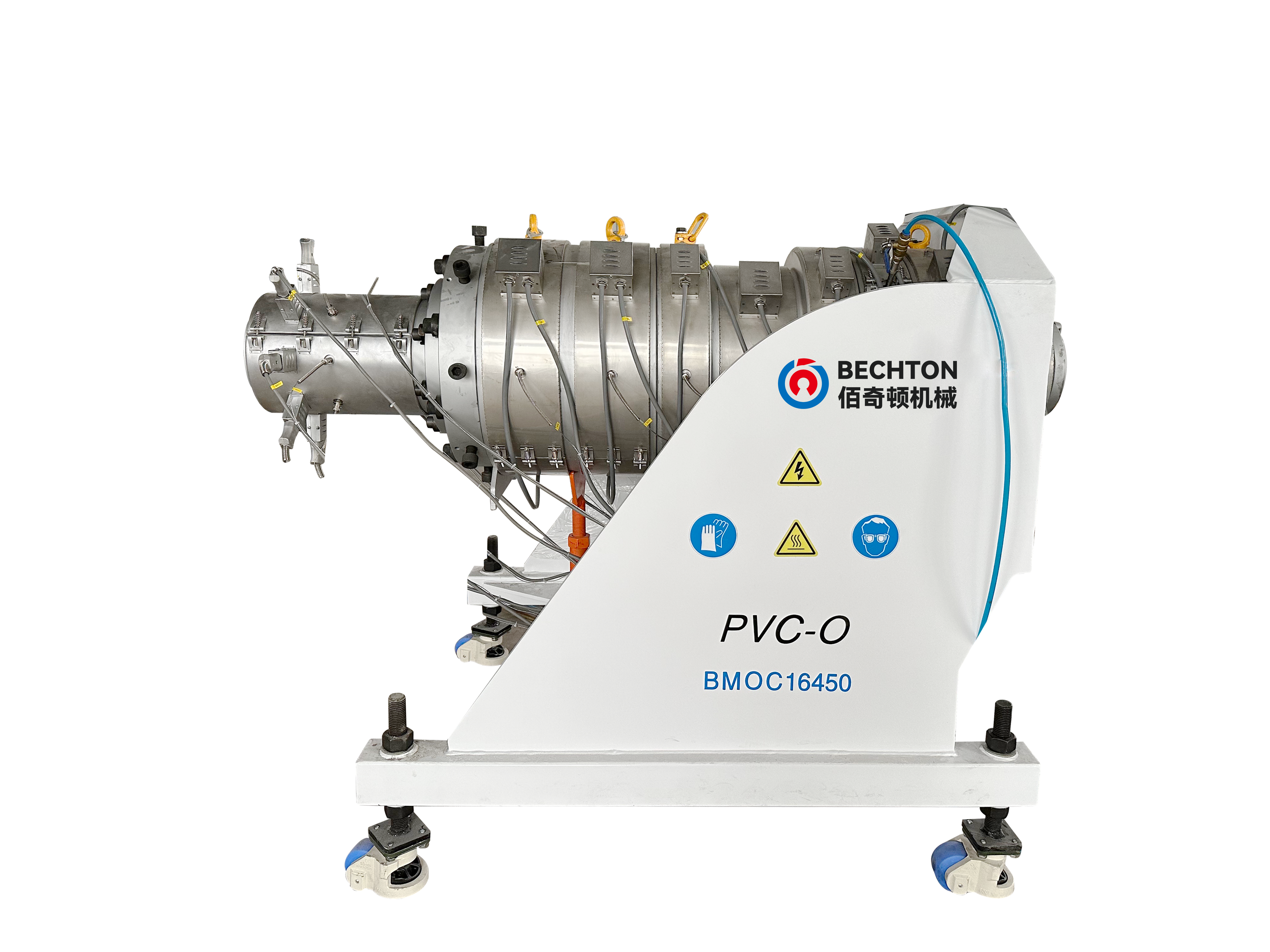
How PVC-O Pipe Extrusion Lines Enable Material and Energy Efficiency
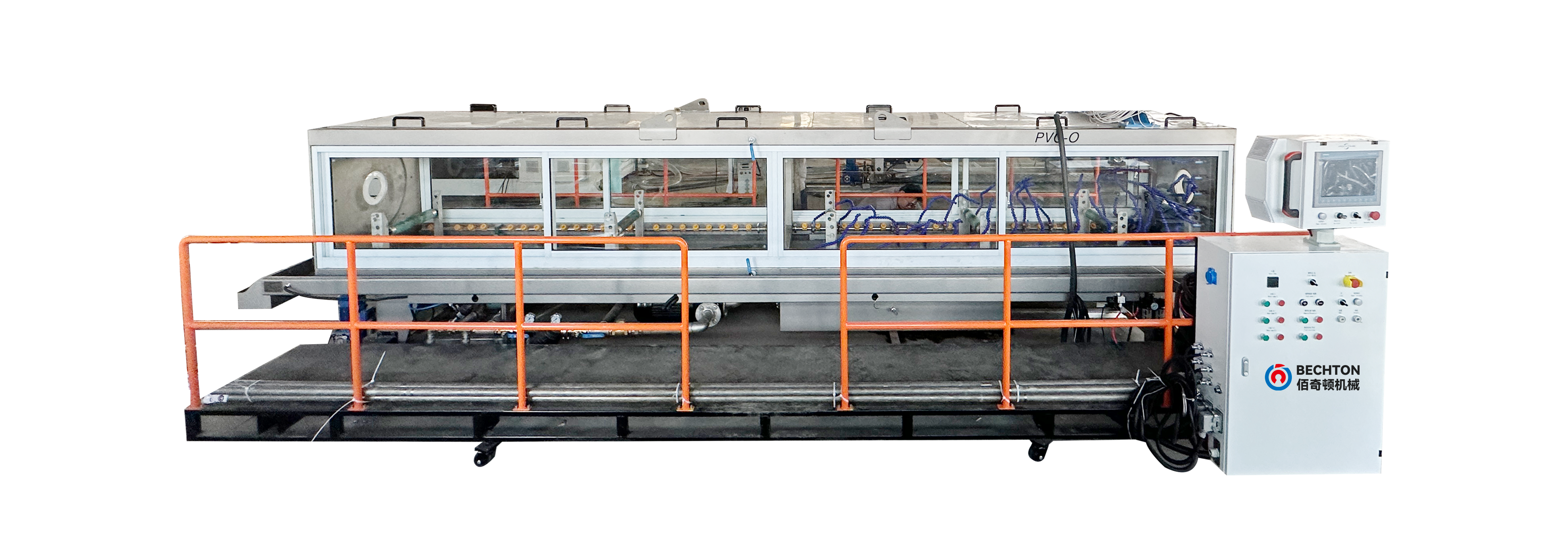
Biaxial Orientation: The Core Technology Behind 35% Less PVC Resin Use
Biaxial orientation stands as the key breakthrough behind PVC-O pipe production, cutting down on PVC resin usage by about 35% when compared to regular PVC-U manufacturing methods. The process works by stretching the material at the same time in two different directions around the pipe circumference and along its length. This realigns the polymer chains naturally without needing any chemicals or additional materials. What happens next is pretty impressive: the new molecular arrangement actually doubles the tensile strength, which means manufacturers can make pipes with thinner walls (between 25% to 40% thinner) yet still meet and even surpass the ISO 16422 standards for pressure resistance. Since the improvement comes from better structure instead of just using more resin, companies save a lot on raw materials and also cut down on carbon emissions during transport, all while keeping the same level of durability and lifespan we expect from these pipes.
Lower Melt Temperature & Shorter Cycle Times Reduce Energy Consumption by Up to 20%
PVC-O extrusion lines today can save around 20% on energy costs thanks to better heat management during processing. The newer screw designs include things like barrier flights and areas where shear is minimized, which actually brings down the melt temperature needed by about 12 to 15 degrees Celsius compared to regular extrusion methods. When combined with accurate dual stage vacuum calibration systems and efficient cooling techniques, the time it takes for materials to solidify drops roughly 30%, making each production cycle shorter overall. All these improvements bring energy usage down to between 100 and 120 watt hours per kilogram, which is pretty much as low as we can get for PVC work, since they cut back on how much heat builds up and shorten the time motors need to run. Looking at industry numbers, companies report saving around eighteen thousand dollars annually per production line with these upgrades, all without sacrificing the dimensional accuracy or mechanical properties that are so important in manufacturing.
Sustainability Integration: Recycled Content, Re-Grind Reuse, and Circular Workflow Design
Compatibility with Post-Industrial Recyclates (Up to 30% rPVC) Without Performance Loss
PVC-O extrusion lines work really well within circular material systems because they can handle around 30% post-industrial recycled PVC (rPVC) while still maintaining good pressure resistance, impact strength, and long term hydrostatic properties. What makes this possible is the careful control of temperatures combined with specially designed screw geometries that stop the polymer from breaking down during the melting process and when undergoing biaxial orientation. Regular extrusion systems face problems when using rPVC since it tends to create issues with viscosity stability or breaks down too early. But with PVC-O technology, the molecules stay properly aligned even when there's a lot of recycled material involved. This means manufacturers can meet requirements set by standards such as ISO 16422 and ASTM F1487. When companies actually put this level of rPVC integration into practice, it cuts down on the need for new virgin resin and significantly lowers those upstream carbon emissions that come from producing fresh materials.
On-Site Re-Grind Return Systems Achieving >95% Scrap Reuse in Stable PVC-O Pipe Extrusion Line Operation
Modern PVC-O extrusion lines increasingly rely on closed loop regrind systems that capture production scrap, turn it into pellets, then feed it right back into the process at around 95% efficiency rates. These systems monitor melt viscosity in real time so the recycled material blends seamlessly with new stock, which helps maintain consistent wall thickness and proper orientation throughout the product. The benefits are pretty significant actually - no more sending waste to landfills and companies report cutting down on material waste by roughly 20-25% per year as per recent industry data from 2023. What makes these systems really valuable is how they convert what was once just costly scrap into something useful again within existing operations. Manufacturers gain more control over their processes without having to mess with formulas or completely overhaul equipment setups.
Smart Eco-Design in Modern PVC-O Pipe Extrusion Lines
Modern PVC-O pipe extrusion lines embed intelligence into sustainability; leveraging data-driven control to minimize ecological impact without trade-offs in output quality or throughput.
IoT-Enabled Process Monitoring for Real-Time Energy & Material Optimization
Smart sensors keep track of important stuff like barrel zone temps, die pressure readings, motor loads, and melt temps as they happen. The control systems then take all this information and make adjustments on the fly to things like heating settings, screw speeds, and vacuum levels. This helps cut down those sudden energy jumps and saves money by preventing wasted resin when the melt flow gets wonky. Take automated viscosity control for example. When properly maintained, it keeps things running within the sweet spot for processing, and manufacturers report around a 20% drop in energy consumption. Looking at maintenance from a predictive angle also makes a big difference. Plants that implement these systems see fewer unexpected shutdowns, which matters because restarting equipment after unplanned stops can boost carbon emissions anywhere between 15% to 30%. All these improvements transform what was once just a basic extrusion process into something much smarter and constantly adapting to conditions.
Lifecycle Assessment (LCA) Benefits: 40% Lower GWP vs. Traditional PVC-U Pipes
Comprehensive lifecycle assessments confirm PVC-O pipes generate 40% less global warming potential (GWP) than equivalent PVC-U pipes. This advantage arises from three interlocking efficiencies:
- Material efficiency: 35% less virgin PVC resin used, enabled by biaxial orientation
- Production economy: Lower melt temperatures and shorter cycles reduce manufacturing energy use by 32%
-
Operational longevity: Enhanced strength extends service life beyond 100 years, deferring replacement-related emissions
Weight optimization also cuts transportation emissions by 41% and reduces pumping energy by 34% over the pipe's lifetime; further amplifying the LCA benefit. When combined with up to 30% rPVC content and closed-loop regrind, PVC-O extrusion lines meet stringent Environmental Product Declaration (EPD) criteria and support net-zero water infrastructure goals.
Why PVC-O Pipe Extrusion Lines Represent the Next-Generation Standard for Green Infrastructure
PVC-O pipe extrusion represents what many see as the future of environmentally friendly infrastructure. This isn't just another small step forward for the industry, but rather a complete overhaul of how we manufacture pipes. The technology brings together several important advantages all at once. Material usage drops by around 35% compared to traditional methods, while factories save up to 20% on energy during production. What's really impressive is the circular design aspect where over 95% of scrap gets reused and the pipes can incorporate about 30% recycled PVC. And here's the kicker these improvements don't come at the expense of quality. These pipes actually perform better than standard ones according to ISO 16422 standards, lasting well beyond a century in most cases. Operators report real world savings too, with pumping costs going down by roughly 34% during normal operation. Looking at the bigger picture, manufacturers slash their carbon footprint by 32% and reduce transport related emissions by 41%. With everything lined up against environmental product declaration requirements and climate resilience goals, it's becoming clear that PVC-O extrusion isn't some niche option anymore. It's setting the standard for what modern water and sewer systems should look like if sustainability matters.
FAQ
What is biaxial orientation in PVC-O pipe production?
Biaxial orientation is a process where the PVC material is stretched in two directions simultaneously, improving its molecular arrangement and doubling its tensile strength. This allows for the production of thinner, yet stronger pipe walls.
How do PVC-O extrusion lines contribute to energy efficiency?
PVC-O extrusion lines reduce energy consumption by utilizing lower melt temperatures and shorter cycle times, resulting in approximately 20% energy cost savings.
Can PVC-O pipes incorporate recycled materials without losing quality?
Yes, PVC-O pipe extrusion lines can integrate up to 30% post-industrial recycled PVC (rPVC) without any significant loss in performance, maintaining pressure resistance and impact strength.
What are the environmental benefits of using PVC-O pipes?
PVC-O pipes have up to 40% lower global warming potential compared to traditional PVC-U pipes, thanks to material efficiency, reduced production energy use, and increased service life.
Table of Contents
- How PVC-O Pipe Extrusion Lines Enable Material and Energy Efficiency
- Sustainability Integration: Recycled Content, Re-Grind Reuse, and Circular Workflow Design
- Smart Eco-Design in Modern PVC-O Pipe Extrusion Lines
- Why PVC-O Pipe Extrusion Lines Represent the Next-Generation Standard for Green Infrastructure
- FAQ