
 EN
EN



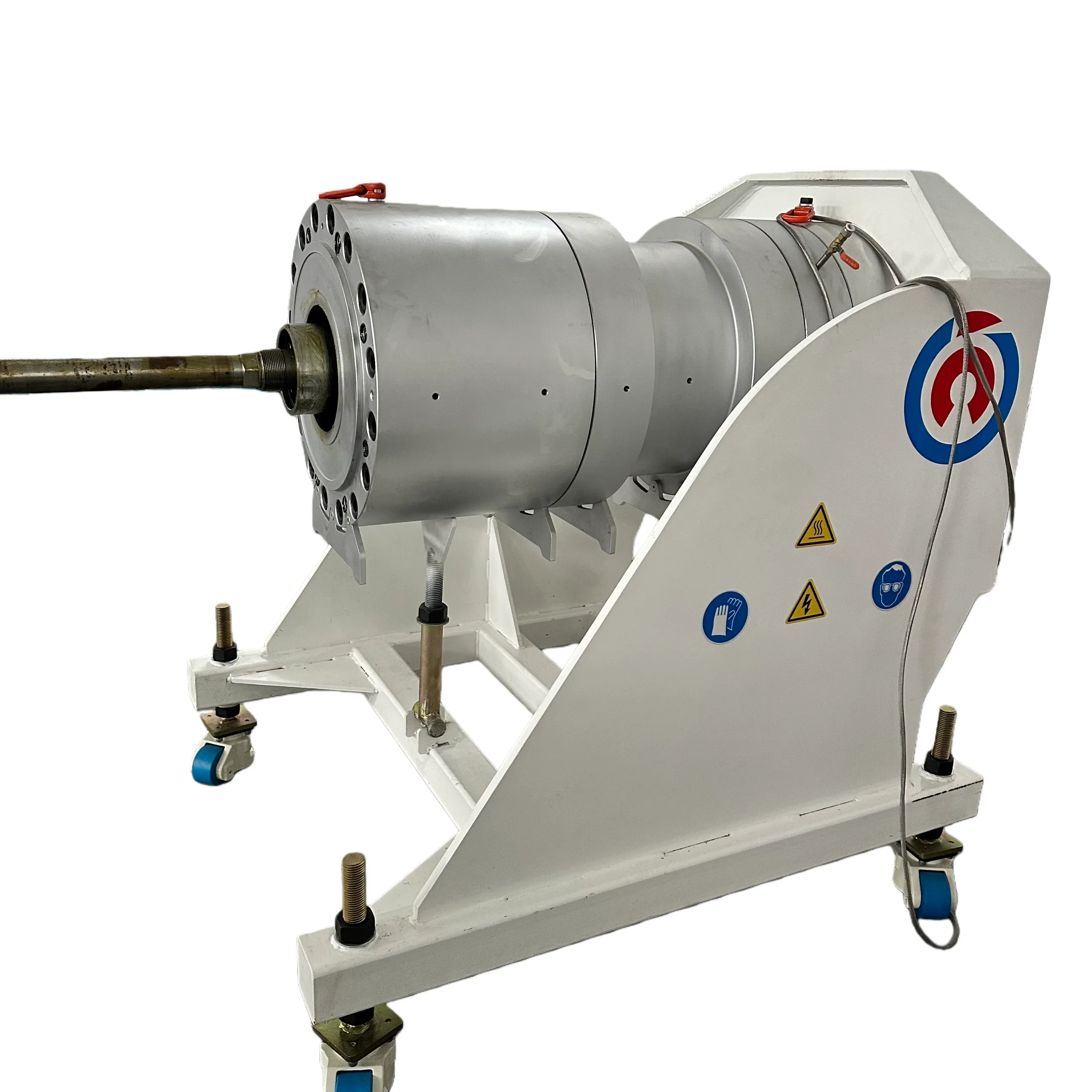
Energy Efficiency and SEC Reduction in PVC-O Pipe Extrusion Line
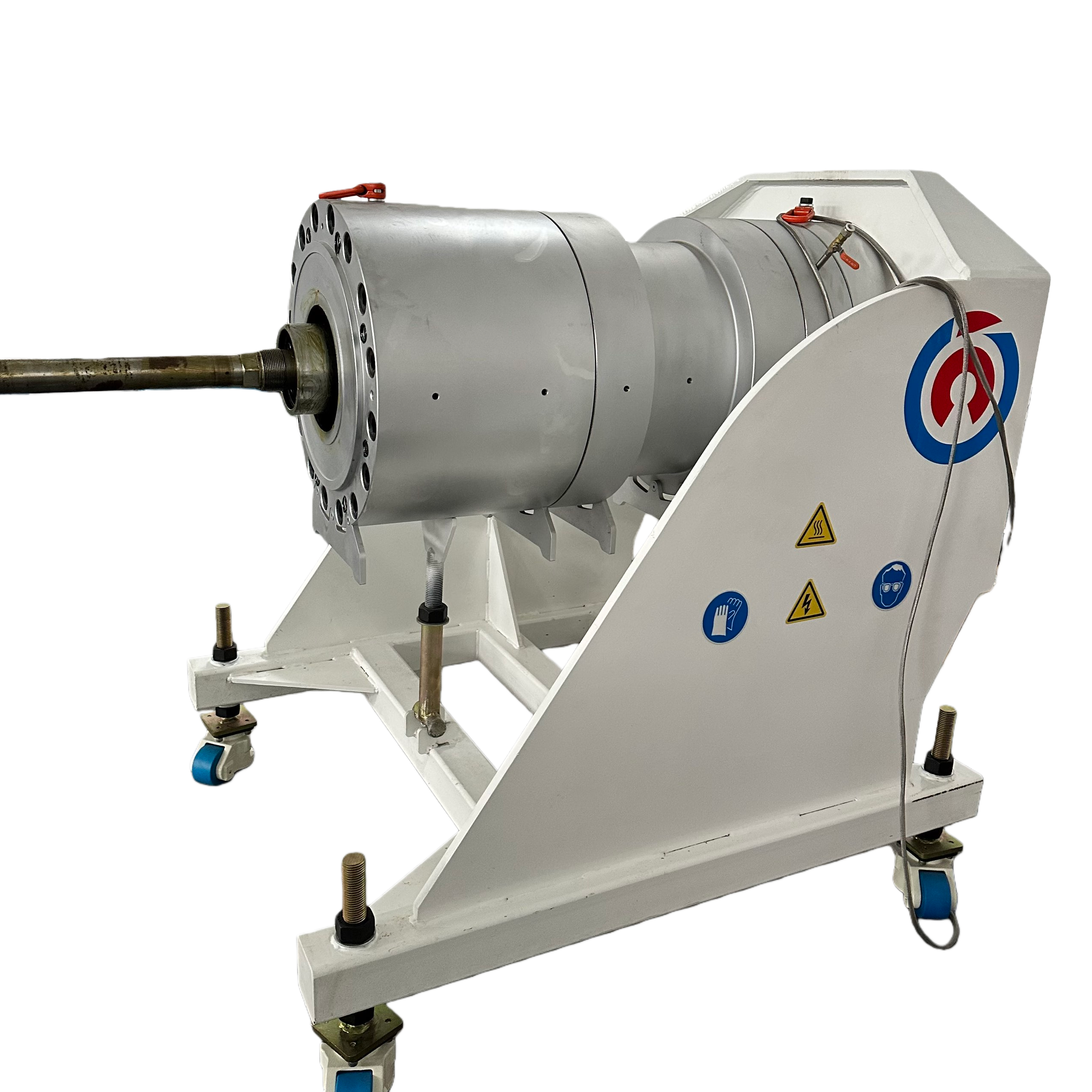
How Specific Energy Consumption (SEC) Is Lowered Through Process Optimization
PVC-O pipe extrusion lines today use about 15 to 35 percent less energy compared to older systems thanks to better process control. The new screw designs cut down on shear heating by around 18 percent, and when combined with precise temperature zones along the barrel, we see melt temperatures drop between 12 and 15 degrees Celsius. Monitoring viscosity in real time lets operators tweak settings as needed during production, which brings specific energy consumption down to somewhere between 180 and 220 Wh per kg. This matches what researchers found in their studies back in 2025 according to Rollepaal's work on extrusion efficiency. All these improvements mean less wasted heat while still keeping the same quality standards for both output consistency and dimensional accuracy that manufacturers demand.
Variable-Speed Drives and Real-Time Motor Control for Dynamic Load Matching
Smart drive systems can cut energy costs anywhere from 20 to 30 percent by adjusting motor power according to what the production line actually needs at any given moment. These variable speed drives (VSDs) tweak the torque when switching between different materials or shutting down equipment, which stops motors from wasting energy while sitting idle. When paired with gravimetric feeders, these systems keep track of exactly how much power is being drawn in real time. The result? Motors consume around 40 to 50 watt hours per kilogram less energy during normal operations. This kind of smart power management means motors run efficiently whether they're just starting up, moving between tasks, or running full tilt through regular production cycles.
Smart Automation and Real-Time Waste Monitoring in PVC-O Pipe Extrusion Line
Gravimetric Feed Control and In-Line Scanners for Consistent Material Delivery
Gravimetric feed systems can measure raw materials with incredible precision, around plus or minus 0.1%, which gets rid of those pesky volumetric issues that happen when bulk densities change. These systems work alongside infrared scanners that check wall thickness while moving at speeds of up to 2 meters per second. When something goes out of spec by more than 0.15 mm, the system catches it right away. The PLC then makes adjustments to both the extruder screw speed and haul off tension within just half a second. According to industry benchmarks from 2023, this kind of closed loop control actually reduces material waste by about 22% and stops scrap buildup from dimension problems. What makes these systems so valuable? They eliminate mistakes from manual calibrations, cut down on wasted material during startup by roughly 30%, and maintain consistent quality throughout different production shifts.
Predictive Calibration and Quick Tool Change Integration to Minimize Downtime Scrap
Predictive algorithms powered by artificial intelligence look at past tool wear data to figure out when die calibrators need replacing before any dimensional issues happen. This approach cuts down on unexpected downtime by around two thirds in really important manufacturing processes. When it comes time for maintenance, there are these standard quick change carts equipped with RFID tags on all the parts. Swapping them out takes less than eight minutes now, which is about three quarters quicker than what was possible before. After a swap, the system just picks up right where it left off using settings that have already been checked and verified. Scrap produced during transitions drops way below 1.5 percent these days, while most factories still struggle with 6 to 8 percent waste rates. The whole setup means practically no wasted materials when switching between jobs, keeps product quality steady from batch to batch, and extends how long tools last by roughly forty percent because they aren't subjected to so much stress during operation.
Extruder and Die Engineering for Minimal Thermal, Mechanical, and Startup Waste
Screw Geometry and Barrel Insulation Innovations for Uniform Melt Quality
When screw designs are optimized using finite element modeling, they help achieve better polymer melting while cutting down on wasted heat. Barrier screws featuring unique flight shapes can cut shear heat production by around 18 percent and boost how well materials mix together. Pair this with ceramic insulation lining barrels that keeps temperatures just right in different zones, and manufacturers see energy savings of about 15% compared to older equipment. What matters most is that this uniform melt quality means less scrap because of inconsistent materials. For PVC-O extrusion specifically, maintaining consistent temperatures throughout the process is absolutely essential since temperature variations mess with how molecules align, which weakens the final product's strength when stretched in two directions.
Die Design Advancements to Cut Start-Up Scrap and Improve Dimensional Consistency
The latest advances in die engineering help cut down on startup scrap thanks to better designed flow channels and manifolds that balance pressure more effectively. With quick change cartridge systems now available, operators can adjust profiles in just about 10 minutes flat, cutting out those long purging periods that used to create so much off spec material. When it comes to land lengths and choke rings, precise calibration makes all the difference. Wall thickness stays within around 0.1 mm variation, something really important for getting good biaxial orientation results. All these improvements mean roughly 40 percent less wasted material when switching between production runs, without compromising the strength needed for pressure rated PVC O pipes in real world applications.
Material Efficiency Gains from Biaxial Orientation and Sustainable Feedstock Use
When it comes to PVC-O pipe manufacturing, biaxial molecular orientation makes all the difference. This process aligns those long polymer chains across two directions instead of just one, which gives these pipes anywhere from 30 to maybe even 50 percent more tensile strength compared to regular old PVC pipes. What does that mean practically? Manufacturers can actually make the walls of these pipes about 30% thinner without sacrificing pressure performance. For every kilometer of DN 110mm pipe produced, this saves roughly around a ton of raw materials. Today's extrusion equipment isn't just efficient though; many plants now incorporate eco-friendly approaches too. They're using things like specially treated recycled PVC scraps mixed back into new products, plus some interesting combinations with cellulose reinforcement that still works with the orientation process. Putting together this advanced orientation tech with circular economy principles creates real environmental wins for manufacturers. Less need to pull fresh materials from the earth, and fewer pipes ending up in landfills when they reach their useful life. Some companies have also started experimenting with bio-based stabilizers that not only lengthen how long these pipes last but help keep materials circulating within closed loop systems throughout their entire lifecycle from production right through to eventual replacement.
FAQ
What is the primary benefit of using PVC-O pipes over regular PVC pipes?
PVC-O pipes offer increased tensile strength and can have thinner walls without losing pressure performance, resulting in significant material savings.
How do variable speed drives contribute to energy efficiency in PVC-O pipe extrusion lines?
Variable speed drives adjust motor power dynamically based on demand, reducing energy consumption by 20 to 30 percent during operations.
What role do gravimetric feed systems play in waste reduction during production?
Gravimetric feed systems measure raw materials with high precision, which minimizes volumetric issues and helps cut material waste by up to 22%.
How does biaxial orientation of PVC-O pipes improve their performance?
Biaxial orientation aligns polymer chains in two directions, enhancing tensile strength by 30 to 50 percent over standard PVC pipes.
What sustainable practices are being adopted in PVC-O pipe manufacturing?
Manufacturers are incorporating recycled PVC, cellulose reinforcement, and bio-based stabilizers to enhance sustainability and reduce environmental impact.
Table of Contents
- Energy Efficiency and SEC Reduction in PVC-O Pipe Extrusion Line
- Smart Automation and Real-Time Waste Monitoring in PVC-O Pipe Extrusion Line
- Extruder and Die Engineering for Minimal Thermal, Mechanical, and Startup Waste
- Material Efficiency Gains from Biaxial Orientation and Sustainable Feedstock Use
-
FAQ
- What is the primary benefit of using PVC-O pipes over regular PVC pipes?
- How do variable speed drives contribute to energy efficiency in PVC-O pipe extrusion lines?
- What role do gravimetric feed systems play in waste reduction during production?
- How does biaxial orientation of PVC-O pipes improve their performance?
- What sustainable practices are being adopted in PVC-O pipe manufacturing?