
 EN
EN



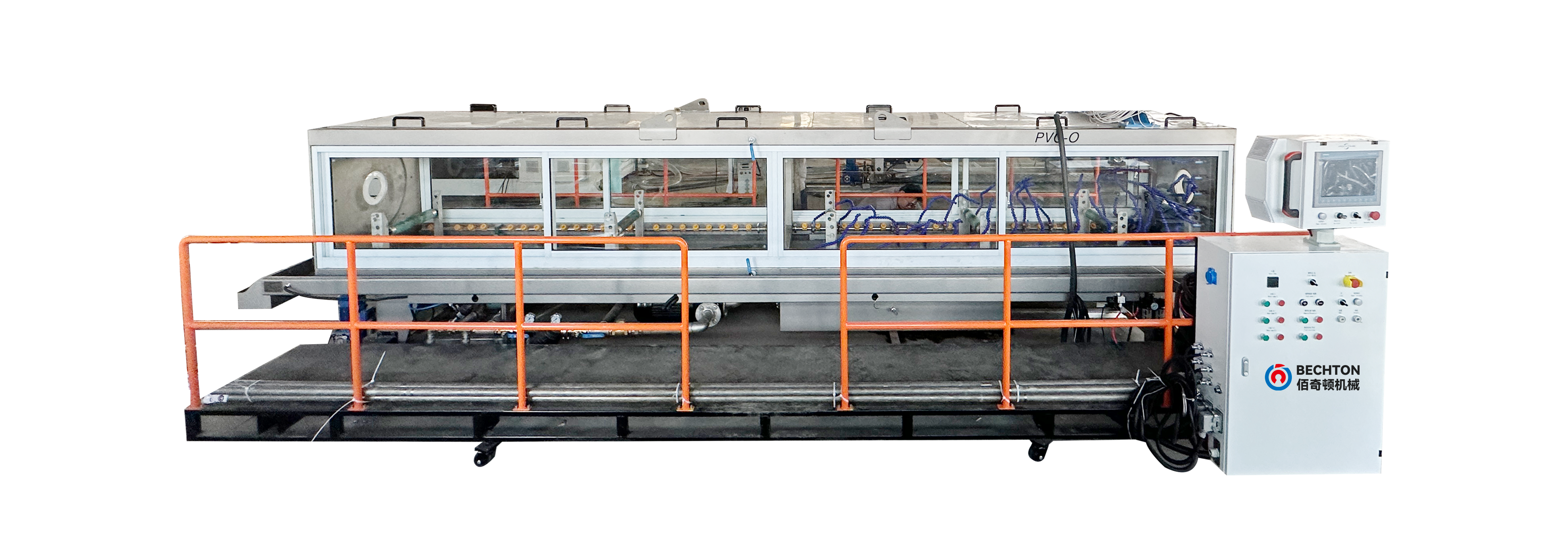
Why PVC-O Pipe Extrusion Line Technology Enables Sustainable Urban Water Infrastructure
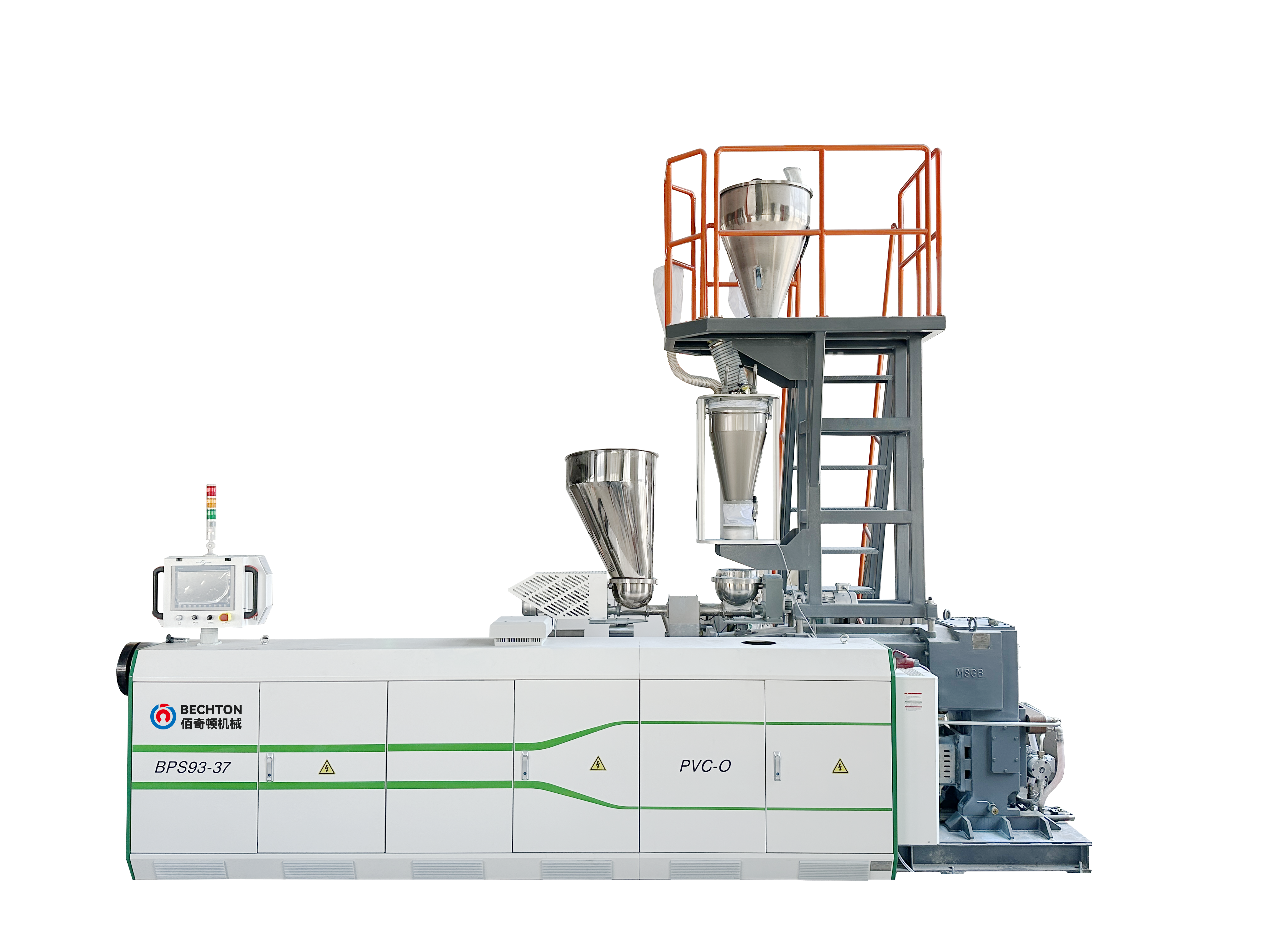
Material Efficiency: Biaxial Orientation Cuts PVC Resin Use by 30–50% Without Sacrificing Pressure Rating
When making PVC-O pipes through biaxial orientation, the polymer chains get aligned in two directions at once - radial and axial. This alignment really boosts how strong the pipes are structurally, all while using less raw materials than standard methods. Tests show we can cut down on PVC resin by around 30 to 50 percent compared to regular pipes. And guess what? We don't have to lower those important pressure ratings from PN16 to PN25 either. The strength rating hits MRS class 500 which lets manufacturers build pipes with thinner walls but still maintains good flow capacity and lasts just as long. Cities love this because they spend less money buying materials, their trucks emit fewer pollutants when transporting these lighter pipes, and they can install new water systems much faster across town.
Case Evidence: Lisbon’s 42% Lower Embodied Carbon vs. Ductile Iron — Validated 50+ Year Service Life
When Lisbon upgraded its water network recently, they swapped out old ductile iron pipes for new PVC-O ones throughout the city's main distribution system. This switch cut down on embodied carbon by around 42% when looking at everything from production to installation compared to what was there before. The new pipes stand up much better to corrosive soil conditions, which means fewer unexpected digs into roads and sidewalks. We're talking about cutting those surprise excavations down by about 70% over time. Tests also show these pipes should last well beyond half a century with leakage rates dropping nearly 90%. Looking at maintenance expenses alone, operators saw a dramatic drop of 63% over four decades. What makes this even better is that almost all the material can go back into manufacturing after use. About 95% of industrial waste gets reincorporated into new products according to proper environmental assessment methods (like ISO 14040 standards). All these improvements help cities meet their green goals for building water systems that produce less carbon emissions and withstand whatever challenges come their way.
Energy-Efficient PVC-O Pipe Extrusion Line Operations Through Industry 4.0 and Thermal Optimization
Real-Time IoT Control Lowers Specific Energy Consumption (SEC) by Up to 22%
When Industry 4.0 gets integrated into PVC-O pipe extrusion lines, it's basically like giving the whole operation a smart brain. We embed those little IoT sensors everywhere they can be useful, watching things like how hot the barrels get, what kind of pressure builds up in the melt, how fast the screw is turning, and even keeping tabs on motor loads. These built-in control systems then tweak settings as needed while everything runs, making sure we stay within our best operating range. This helps save energy when machines are starting up, switching between different products, or dealing with changing production volumes. For maintenance, special software looks at vibrations and heat patterns to figure out when parts might fail, so we can fix them before they break down completely. This approach cuts unexpected stoppages by around two thirds according to data collected across several factories. And interestingly enough, these smart controls cut down on Specific Energy Consumption by about 22% compared to old fashioned methods, which means less carbon gets released during pipe manufacturing overall.
Heat Recovery + Servo-Driven Extrusion Reduces Grid Dependency by 28% per Ton of Pipe
Today's PVC-O extrusion lines are getting smarter by combining thermal recovery systems with servo-driven technology to cut down on wasted energy. The heat recovery units grab leftover warmth from the cooling circuits in the barrels and put it back into use for heating up the raw PVC material before processing. This alone can slash the need for fresh energy by around 20 to 30 percent. At the same time, manufacturers are swapping out old hydraulic drives for modern servo motors. These new motors only provide power when actually needed, which means no more losing energy through fluids leaking or circulating unnecessarily. Putting these two improvements together makes a real difference: drive energy drops somewhere between 40 and 50 Wh per kg, while reliance on the electrical grid falls by nearly 28% for every ton of pipe made. Industry tests have shown specific energy consumption rates hovering around 180 to 220 Wh per kg, which beats older systems by about 15%. For companies aiming to meet those tough net-zero targets, these kinds of efficiencies matter a lot in day-to-day operations.
Circular Economy Integration: Eco-Design, Recyclability, and EPD-Validated Sustainability
95% Post-Industrial PVC-O Scrap Reintegration Without Performance Loss (ISO 14040 LCA Verified)
The circular economy starts right at the extrusion line where things get interesting. Advanced process controls let manufacturers reintegrate around 95% of post-industrial PVC-O scrap back into fresh pipe batches without compromising key properties like pressure ratings, impact resistance, or how the material holds up over time against constant stress. This kind of closed loop system cuts down on virgin resin needs almost in half while keeping all that industrial waste out of landfills instead of just tossing it away. When we look at ISO 14040 compliant lifecycle assessments, there are real numbers showing drops in global warming potential, lower overall energy consumption, and reduced resource depletion rates which helps secure those valuable Environmental Product Declarations. What makes this even better is that PVC-O maintains its performance characteristics through multiple recycling passes, making it ideal for infrastructure projects that need to last generations. Cities planning their water systems for the next century can rely on these materials knowing they'll still perform well decades from now.
Urban Resilience Gains from PVC-O Pipes: Corrosion Resistance, Longevity, and Hydraulic Efficiency
Zero Corrosion in Aggressive Soils Eliminates 70% of Unplanned Excavations Over 50 Years
PVC-O pipes don't react chemically with their surroundings, which means they won't corrode from electricity, acids won't eat away at them, and microbes in soil or waste water can't break them down either. This is a big deal compared to traditional materials like ductile iron or steel that need all sorts of protective measures such as special coatings or cathodic protection systems. Cities across the country have seen results too. Some places report around 70 percent fewer urgent digging projects during the typical 50 year lifespan of these pipes. That saves money on repairs, keeps streets open for traffic, and most importantly protects people walking nearby. Even when installed near salty ocean areas or next to factories discharging waste, these pipes hold up just fine. For city planners looking to build better water systems that last longer without constant maintenance, PVC-O seems like a smart choice that stands up against harsh conditions while keeping costs under control.
18–25% Pumping Energy Savings vs. HDPE Due to Superior Bore Smoothness and Flow Profile
When manufacturers apply the biaxial orientation technique, they get pipes with exceptionally smooth inner surfaces where the roughness stays under 0.00015 mm most of the time. That's way smoother than what we typically see with HDPE or regular PVC materials. Because of this superior smoothness, water flows through these pipes in a more orderly manner even when moving faster, which cuts down on turbulence related energy waste by around 18 to 25 percent compared to similar sized HDPE pipes working at the same pressure levels. Water companies have actually seen noticeable drops in how much energy their pumps need to run, particularly at those gravity fed booster stations and across lengthy transmission lines. Plus, these smoother surfaces help prevent biofilm buildup while keeping the same flow rates. All told, this means less carbon being released during operations and longer lasting pump stations overall, making PVC-O a smart choice for building water systems that will stand the test of time both environmentally and economically.
Frequently Asked Questions (FAQ)
What is PVC-O pipe extrusion line technology?
PVC-O pipe extrusion line technology involves the biaxial orientation of PVC polymer chains to enhance pipe strength and efficiency while reducing the use of raw materials.
How does PVC-O technology contribute to sustainability?
PVC-O technology reduces embodied carbon, decreases energy consumption, allows for high recyclability, and improves pipe longevity, contributing to sustainable urban infrastructure.
What are the energy efficiency benefits of PVC-O extrusion lines?
PVC-O extrusion lines integrated with Industry 4.0 and thermal optimization can lower specific energy consumption and reduce grid dependency, thus minimizing carbon emissions during manufacturing.
Table of Contents
- Why PVC-O Pipe Extrusion Line Technology Enables Sustainable Urban Water Infrastructure
- Energy-Efficient PVC-O Pipe Extrusion Line Operations Through Industry 4.0 and Thermal Optimization
- Circular Economy Integration: Eco-Design, Recyclability, and EPD-Validated Sustainability
- Urban Resilience Gains from PVC-O Pipes: Corrosion Resistance, Longevity, and Hydraulic Efficiency
- Frequently Asked Questions (FAQ)