
 EN
EN



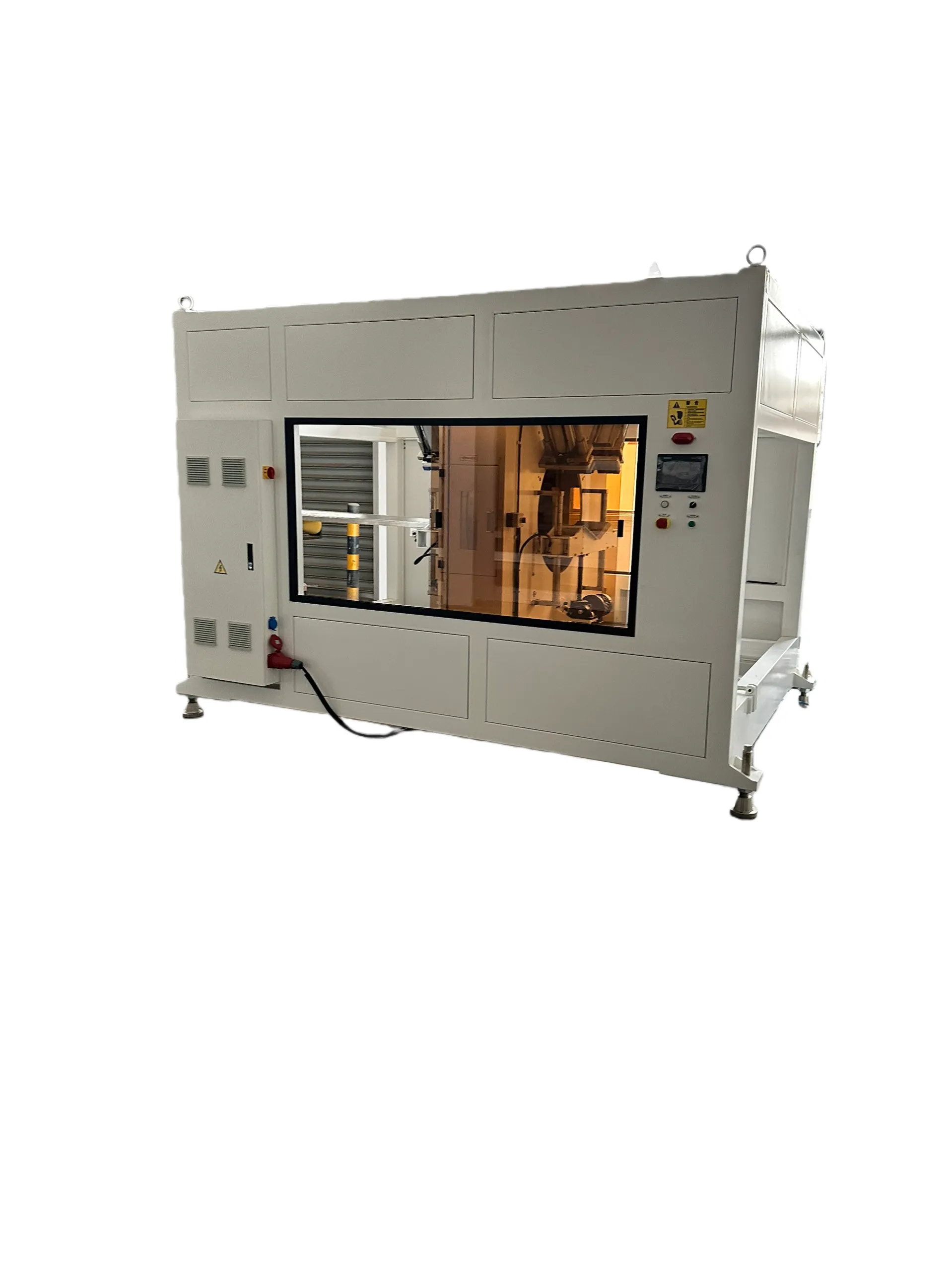
Why PVC-O Pipe Is a Cornerstone of Sustainable Water Infrastructure
Lifecycle Analysis: 30% Lower Embodied Energy vs. PVC-U
PVC-O pipe requires approximately 30% less embodied energy to manufacture than traditional PVC-U, significantly lowering carbon emissions during production. This efficiency arises from optimized material usage and streamlined processing—molecular orientation enhances strength without adding volume, reducing raw material demand and energy input. As utilities accelerate decarbonization efforts, PVC-O’s verified sustainability profile makes it a preferred choice for water infrastructure aligned with global embodied carbon reduction goals.
50+ Year Service Life and 60% Fewer Replacements Driving Long-Term Emissions Reduction
With a proven service life exceeding 50 years, PVC-O outperforms conventional pipes by decades. Its durability translates to roughly 60% fewer replacements over time—each avoided cycle eliminates emissions tied to manufacturing, transport, and installation. Municipalities benefit from reduced maintenance disruptions and a markedly lower cumulative carbon footprint, all while sustaining system reliability under long-term operational stress.
Superior Performance of PVC-O Pipe: Hydraulic Efficiency, Strength, and Resilience
25% Higher Flow Capacity and Smoother Hydraulics for Energy-Efficient Distribution
The biaxial orientation process yields an exceptionally smooth internal bore, delivering a Hazen-Williams C-value of 150—25% higher flow capacity than PVC-U or ductile iron pipes of the same outer diameter. This hydraulic efficiency reduces pumping energy by more than 50% compared to PE100 systems, thanks to lower head loss and larger effective bore. Mandrel-based stretching during manufacturing further suppresses turbulence, preserving performance over decades. For distribution networks, this often allows smaller-diameter pipes to meet design flows—cutting material use, trenching scope, and long-term energy demand.
4–5× Greater Impact Resistance and Crack Arrest Capability Under Stress
Molecular alignment gives PVC-O four to five times the impact resistance of PVC-U—even at subzero temperatures—preventing damage during handling, installation, and operation. Crucially, it arrests crack propagation rather than permitting rapid fracture, making it uniquely resilient in high-pressure and seismically active environments. Post-earthquake assessments in Christchurch, New Zealand, confirmed PVC-O’s superior survival amid ground movement where other materials failed. Its flexibility—comparable to PE—also absorbs water hammer and cyclic surges without fatigue, with independent testing showing over 10 million pressure cycles before failure (versus 500,000 for PVC-U).
Cost and Installation Advantages Accelerating PVC-O Pipe Adoption
Lightweight Design Cuts Installation Time by 35% and Minimizes Site Disruption
PVC-O’s low weight simplifies transport, handling, and positioning—reducing reliance on heavy machinery and cutting installation time by up to 35%. Crews achieve faster alignment and fewer jointing errors, lowering labor costs and shortening project timelines. In urban or ecologically sensitive areas, this means dramatically less surface disruption and environmental impact.
Real-World Deployment of PVC-O Pipe in Climate-Resilient Water Systems
Singapore’s Deep Tunnel Sewerage System Phase II: Scaling PVC-O Pipe for Urban Resilience
Singapore’s Deep Tunnel Sewerage System (DTSS) Phase II leverages PVC-O’s corrosion resistance, structural integrity, and hydraulic efficiency to manage 900,000 m³ of wastewater daily across extensive underground networks. Its immunity to chemical degradation ensures long-term performance in aggressive sewer environments, while lightweight construction enabled rapid, low-disruption installation in dense urban corridors. Designed for a 50-year service life with minimal maintenance, DTSS Phase II exemplifies how PVC-O supports climate-resilient infrastructure—delivering reliability, scalability, and sustained functionality in megacities confronting intensifying flood risk and service continuity pressures.
FAQ
What is PVC-O and why is it important for water infrastructure?
PVC-O, or biaxially oriented polyvinyl chloride, is a type of piping material known for its high strength, hydraulic efficiency, and sustainability. It is important for water infrastructure due to its long service life, reduced environmental impact, and superior performance under stress and pressure.
How does PVC-O compare to other materials like PVC-U?
PVC-O offers several advantages over PVC-U, including lower embodied energy in manufacturing, higher impact resistance, and greater hydraulic capacity. This makes it more efficient and environmentally friendly while also providing increased durability and resilience.
What are some real-world applications of PVC-O pipes?
PVC-O pipes have been utilized in projects like Singapore's Deep Tunnel Sewerage System Phase II, where they provide efficient wastewater management without succumbing to chemical degradation. They offer a reliable solution in urban environments where installation speed and longevity are crucial.