
 EN
EN



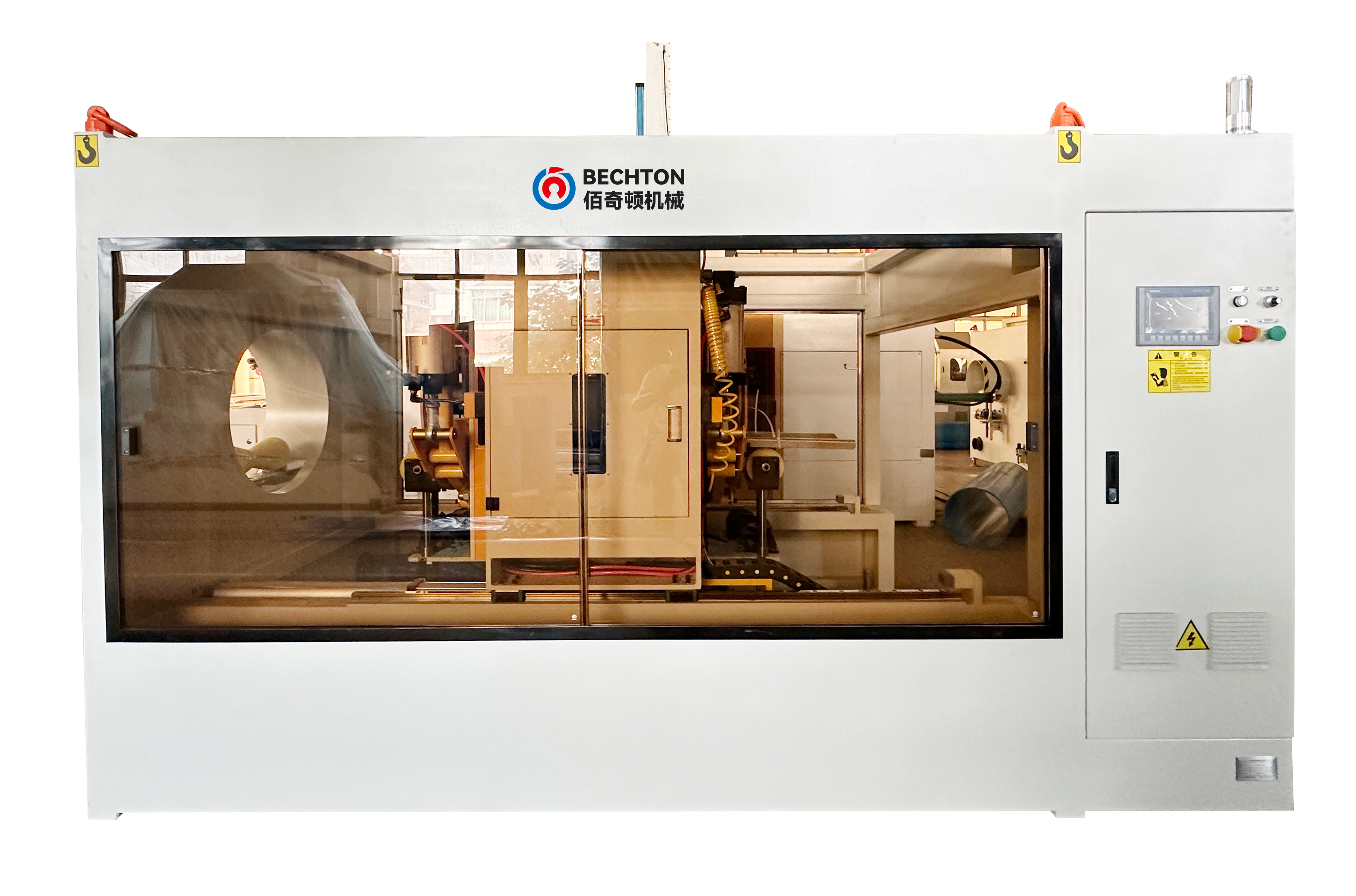
How PVC-O Pipe Extrusion Line Technology Enhances Impact Resistance
The Evolution of PVC-O Technology and Molecular Orientation Principles
The development of modern PVC-O actually comes from regular old PVC-U manufacturing, thanks to some pretty cool advances in material science. When makers stretch the plastic in two directions while it's being extruded, they get these polymer chains to line up in layers like a crystal lattice. The result? A big boost in strength - somewhere around 25 to 31.5 MPa extra compared to standard PVC-U according to Vynova Group research from 2023. And here's the kicker: this stronger material lets companies make pipes with walls that are 30% thinner without compromising on pressure handling capabilities. Pretty impressive when you think about it.
Core Mechanics of the Extrusion and Biaxial Orientation Process
The twin screw extruder heats up those PVC compounds somewhere between 180 and 210 degrees Celsius to make those nice even preforms we need. Once they move further down the line, things get interesting. Pressurized air works together with mechanical pullers to stretch out the preforms both ways at once. We're talking about expanding them sideways by around 110 to 130 percent while also stretching them lengthwise about 15 to 25 percent. When all this happens at the same time, most of those PVC molecules line up differently, creating structures that resist stress much better. The result? Tests show this process makes the material about 40 percent tougher against impacts compared to regular old PVC-U according to the latest data from ISO 9969 testing mentioned in the 2024 Pipe Materials Report.
Microstructural Transformation and Its Role in Mechanical Performance
The final PVC-O microstructure consists of interlocked polymer layers that effectively dissipate energy upon impact. Industry testing reveals significant improvements:
| Property | PVC-U | PVC-O | Improvement |
|---|---|---|---|
| Notched Impact Strength | 10 kJ/m² | 25 kJ/m² | 150% |
| Crack Propagation Resistance | 2.5 MPa√m | 4.8 MPa√m | 92% |
| Fatigue Cycles (10 bar) | 20,000 | 100,000+ | 400% |
This enhanced durability enables PVC-O pipes to withstand seismic ground shifts and impacts from construction equipment in dense urban settings.
Key Components and Workflow of the PVC-O Pipe Extrusion Line
Twin-Screw Extruders and Their Role in Uniform Melt Processing
The conical twin screw extruder plays a key role in getting that consistent melt quality needed for producing PVC-O. These machines work best when running between around 160 to 185 degrees Celsius, thanks to those modern AC frequency controllers that keep things stable. The temperature stays pretty much constant too, varying no more than half a degree either way. What does this mean? Well, first off, it cuts down on energy consumption by about a quarter compared to what we used to see with older equipment. But there's another benefit too the reduced residual stresses make all the difference later on in the process. Without these stresses messing things up, the molecules can align properly during orientation stages, which ultimately affects the final product quality.
From Raw Material to Preform: Stages in the Extrusion Process
When PVC dry blends make their way into the extruder barrel, they meet counter rotating screws that gradually compress and melt the material through seven different zones ranging from simple feeding all the way to precise metering. This slow but steady transformation creates what's known as a viscoelastic melt state which works really well for orientation purposes during processing. Industry tests indicate that when manufacturers optimize their screw design configurations, they can actually increase production speed by around 35 percent without sacrificing tensile strength below those important 50 MPa standards set by ISO 527-2 testing protocols. Getting temperature control just right throughout this whole process is absolutely critical too since any overheating will cause material degradation problems later on. Proper thermal management keeps the preforms intact so they can successfully go through that essential biaxial stretching phase without failing.
Downstream Equipment Functions in PVC-O Production
Once extruded, the preform goes into a vacuum calibration tank where it stabilizes dimensionally before getting sprayed with water to set the molecular alignment properly. The process continues with high precision haul off units keeping tension pretty consistent within about 1.5% variance. Servo driven cutters then trim the material to lengths accurate within roughly 0.8 mm. Real time monitoring systems have made a big difference too, cutting down on wall thickness variations by around 40%. This matters because thinner spots are where cracks tend to start forming when products are actually used in the field.
Biaxial Stretching and Quality Control in PVC-O Microstructure Development
Biaxial Stretching Techniques and Their Impact on Pipe Integrity
PVC-O gets its mechanical edge through controlled stretching in both directions when heated between 80 and 90 degrees Celsius, which is right around where the material transitions from rigid to more flexible (known as Tg). When stretched axially and around the circumference, this process boosts the Minimum Required Strength (MRS) to somewhere between 40 and 50 MPa. That's quite a jump compared to regular PVC-U at just 25 MPa, meaning about double the strength in many cases. The special microstructure created during this process actually helps stop cracks from spreading. Tests following ISO 9969 standards show fracture toughness above 9 MPa√m, making it much more resistant to impacts and stress fractures than conventional alternatives.
Ensuring Uniform Orientation: Balancing Performance and Defect Risks
If temperatures drift more than plus or minus 2 degrees Celsius during the stretching process, it often leads to problems like broken polymer chains or poor material alignment. This kind of issue typically cuts down on pressure capacity somewhere between 30 to 50 percent depending on conditions. Modern manufacturing setups tackle these temperature challenges through several key components. They employ infrared sensors that take readings every millisecond, precision controlled stretching mechanisms with almost no timing discrepancies (less than 1%), and specially designed cooling zones that gradually bring materials back to stable states. All these combined help remove leftover internal stresses in the material. Without proper stress relief, we'd see issues like unwanted swelling or shape distortion when products are put under actual working pressures later on.
Smart Monitoring for Real-Time Quality Assurance in the Extrusion Line
Today's extrusion lines are getting smart with IoT controls that connect how things are processed to what comes out mechanically. Vision systems can spot orientation issues down to about a tenth of a millimeter, and pressure checks happen regularly along the line, roughly every fifteen meters or so. When something goes off track, operators get warnings fast if viscosity changes by more than five percent or temperatures move beyond half a degree Celsius. These numbers matter because they're basically the red flags everyone watches for when trying to meet those ASTM F1438 requirements that keep quality consistent across batches.
Mechanical Advantages of PVC-O Pipes: Superior Impact and Crack Resistance
Performance Under Dynamic Loading and High-Impact Conditions
PVC-O pipes can handle impacts about five times better than regular PVC-U pipes when tested at normal temperatures according to ISO 9969 standards from 2023. The secret lies in how the polymer molecules line up inside them, which helps soak up shocks much more effectively. Take the Dutch Institute Kiwa's testing as an example they put these pipes through some serious stress tests and found they could withstand water hammer pressures over 25 bar. That kind of durability really matters for city water systems where pressure fluctuations are common. What's even more impressive is their performance in cold weather. At minus 18 degrees Celsius, these pipes still maintain around 30 percent more impact strength compared to standard uPVC materials. This means they won't crack or fail during winter months when traditional plastic pipes might start showing problems.
Resistance to Crack Propagation in Demanding Applications
When it comes to PVC-O, the way molecules line up actually cuts down on cracks spreading through the material by about 45% when compared with regular non-oriented versions. And what happens under repeated stress? Well, the ability to resist those pesky stress cracks goes up nearly threefold. That makes all the difference for places like mines or factories where equipment gets hammered day after day by rough soil particles or harsh chemicals. Another big plus is how much stronger PVC-O becomes against fatigue. The point at which it starts to fail jumps from around 25 MPa in standard PVC-U up to 31.5 MPa. What does that mean practically? Manufacturers can make pipes with thinner walls while still keeping them safe and reliable for their intended applications.
Comparative Analysis: PVC-O vs. PVC-U in Impact Testing (ISO 9969)
| Property | PVC-O | PVC-U |
|---|---|---|
| Impact Resistance (J/m) | 160–190 | 30–40 |
| Crack Growth Rate | 0.08 mm/cycle | 0.35 mm/cycle |
| Pressure Rating (PN) | PN25 at 50% wall thickness | PN10–PN16 |
These results underscore PVC-O’s advantages in high-stress applications such as seismic zones and heavy traffic corridors.
Pressure Rating and Long-Term Durability in Harsh Environments
The PVC-O pipe extrusion line allows manufacturers to produce PN25 rated pipes that have walls about 40 percent thinner compared to regular PVC options. Recent research from 2024 indicates that these optimized PVC pipes maintain roughly 95% of their original tensile strength even after sitting underground for half a century in harsh soil conditions, which beats standard uPVC by around 32%. What's really impressive is how they handle tough environments too. These pipes work great when exposed to pH levels ranging from 2 all the way up to 12, plus they can withstand temperatures anywhere between minus 30 degrees Celsius and 60 degrees Celsius. This makes them particularly good choices for projects involving geothermal systems or installations near coastlines where saltwater exposure is common.
Real-World Applications and Future Trends in o pvc pipe extrusion line Systems
Case Studies: PVC-O Pipes in Seismic Zones and Heavy Traffic Areas
PVC-O pipes made through modern extrusion lines are showing remarkable strength in places where earthquakes are common, like California, and in dense underground networks such as Tokyo's tunnels. According to a recent industry report from 2024, these pipes kept almost all their structure intact after tests simulating a 7.0 magnitude quake, beating regular PVC-U pipes by around a third. Cities across the country are starting to require these pipes for major water lines because they bend without breaking and resist cracks so well. This comes down to how the material is oriented during manufacturing, giving it properties that traditional pipes just can't match when faced with seismic activity.
Performance in Aggressive Soil and High-Stress Installation Sites
In corrosive soil conditions, PVC-O stands out compared to traditional steel pipes. Field tests indicate around half the corrosion rate when buried alongside steel alternatives according to recent research from Ponemon Institute last year. What makes PVC-O so durable? The material's unique molecular arrangement actually fights off sulfide related cracks that plague many wastewater systems. This translates into serious savings for municipalities too - roughly seven hundred forty thousand dollars saved per mile over ten years on maintenance work. Most engineers we've spoken to recommend PVC-O for those tricky installations right beneath train tracks or major roadways. The pipe can handle pretty heavy stuff without bending or breaking, staying intact even when subjected to massive 20 ton axle weights from passing vehicles.
Sustainability and Innovation Outlook for PVC-O Extrusion Technology
The latest generation of PVC pipe extrusion lines are all about going green these days. New models cut down on power usage around 22 percent compared to older versions, and they still manage to keep production levels where they need to be according to Rollepaal's research from 2025. Some test runs have managed to mix in as much as 40% recycled PVC-O material without compromising the pressure standards that pipes need to meet. That kind of thing really helps push forward those circular economy ideas many companies talk about but don't always practice. What's happening now too is that smarter production lines come equipped with built-in IoT sensors which tweak things like how the pipes are oriented during manufacturing. This leads to better quality control across batches and cuts down on wasted materials somewhere around 15%, which matters when looking at long term costs for manufacturers.
FAQ Section
What is PVC-O pipe extrusion technology?
PVC-O pipe extrusion technology refers to the process of stretching normal PVC in two directions to achieve a mechanically superior and more robust pipe. This technology enhances the material's impact resistance and pressure handling capabilities, making it particularly suitable for challenging environments.
How does biaxial stretching improve PVC-O pipes?
Biaxial stretching aligns polymer molecules in a way that significantly increases impact strength, crack resistance, and fatigue cycles. It helps in maintaining pipe integrity even under dynamic loading and harsh conditions.
Why are PVC-O pipes preferred in seismic and high-stress applications?
PVC-O pipes exhibit superior capabilities in withstanding seismic ground shifts and impacts from heavy machinery due to their enhanced molecular alignment, making them ideal for areas prone to earth movements and high traffic.
Are PVC-O pipes sustainable?
Yes, the latest PVC-O pipe extrusion lines incorporate significant energy savings and allow for the inclusion of recycled materials without compromising performance, aligning with modern sustainability goals.
Table of Contents
- How PVC-O Pipe Extrusion Line Technology Enhances Impact Resistance
- Key Components and Workflow of the PVC-O Pipe Extrusion Line
- Biaxial Stretching and Quality Control in PVC-O Microstructure Development
- Mechanical Advantages of PVC-O Pipes: Superior Impact and Crack Resistance
- Real-World Applications and Future Trends in o pvc pipe extrusion line Systems
- FAQ Section